Halal Certification for Lotus Seeds: What JAKIM and BPJPH Actually Require
"It's a plant, so it's Halal" is the sentence that delays more Southeast Asian orders than any other. The ingredient is fine. The certificate is about the building it was processed in.
Key takeaways
- 1.Halal certification is a facility-and-process certification. A plant-based ingredient does not exempt the factory.
- 2.Malaysia (JAKIM) and Indonesia (BPJPH) run separate recognition chains — a certificate valid for one is not automatically valid for the other.
- 3.Certification is a lead-time item measured in months. Raise it at enquiry stage, not at the shipping document stage.
Why a plant ingredient still needs a certificate
Halal requirements extend beyond the ingredient itself to the production environment: shared lines, cleaning regimes, pest control chemicals, lubricants, and the possibility of cross-contact with non-Halal materials. For a buyer whose brand promise is Halal, an uncertified factory is an unquantified risk regardless of what is inside the bag.
In practice, the chain of customers decides. A wholesaler may accept a declaration; a filling plant supplying a chain retailer will not. If your customer's customer requires certification, the requirement flows all the way back to the factory that dried the seed.
Malaysia and Indonesia: two different doors
| Item | Malaysia | Indonesia |
|---|---|---|
| Authority | JAKIM (Department of Islamic Development Malaysia) | BPJPH (Halal Product Assurance Agency) |
| Recognition route | Recognised foreign certification bodies; mutual recognition arrangements with selected schemes | Registration through BPJPH, with foreign certificates recognised under defined conditions |
| Who needs it | Filling plants, chain retail, and any product carrying a Halal mark | Most packaged food distributed in Indonesia; importer registration is separate |
| Typical lead time | Months, not weeks — audit scheduling is the constraint | Registration plus certification, also measured in months |
Note: Recognition arrangements are revised from time to time and the detail matters commercially. Confirm the current accepted route with your importer or the certifying body before you commit to a delivery date.
What the audit actually examines
- ·Segregation: whether Halal and non-Halal materials share lines, storage areas or utensils, and how that is controlled.
- ·Cleaning and changeover records: not just the procedure, but evidence it was followed.
- ·Non-food inputs: lubricants, cleaning chemicals and pest-control agents must themselves be acceptable.
- ·Water and sanitation: source, treatment and the sanitation programme.
- ·Traceability: batch coding that lets the certifier follow a lot from intake to dispatch.
- ·Halal committee and training: a named internal team with documented responsibilities.
How to sequence it so it doesn't block the order
- 1At enquiry: state the destination and whether certification or declaration is required.
- 2At quotation: confirm what the factory currently holds, with certificate numbers and expiry dates.
- 3Before order: if certification is needed and absent, decide between waiting for certification or starting with a market that does not require it.
- 4During production: keep the certificate and the batch records on file together, because the importer will be asked for both.
- 5On shipping: check the certificate's scope covers the exact product form being shipped — whole seed and paste can fall under different scopes.
Note: The most expensive mistake in this area is treating certification as a document to be produced at the end. It is a capability to be built, and it has a schedule.
Grades, limits, tax treatment and inspection regimes change without notice. Confirm the current position for your product, origin and destination with your importer or the relevant authority before contracting — treat everything here as a starting point for verification.
Frequently asked questions
QCan you ship without Halal certification?
QIs a self-declaration enough?
QDoes the certificate cover both whole seeds and paste?
Products referenced in this guide
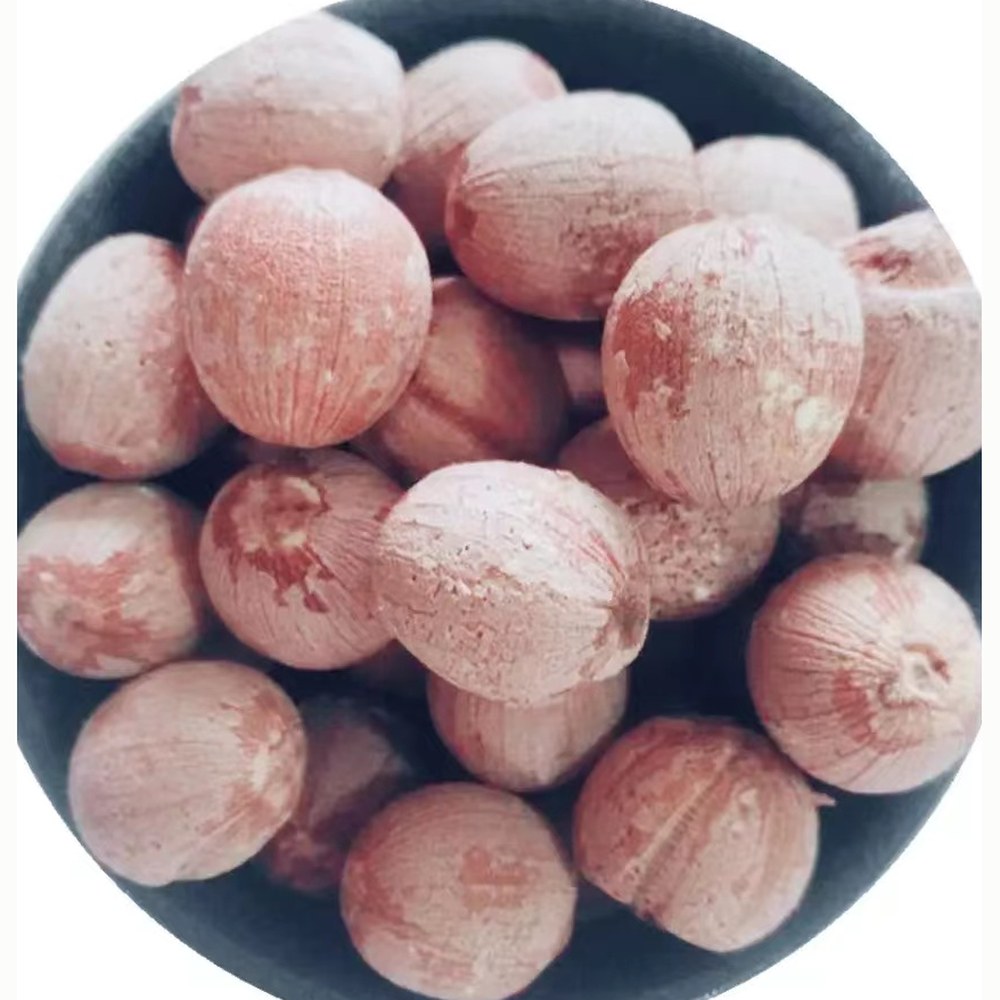
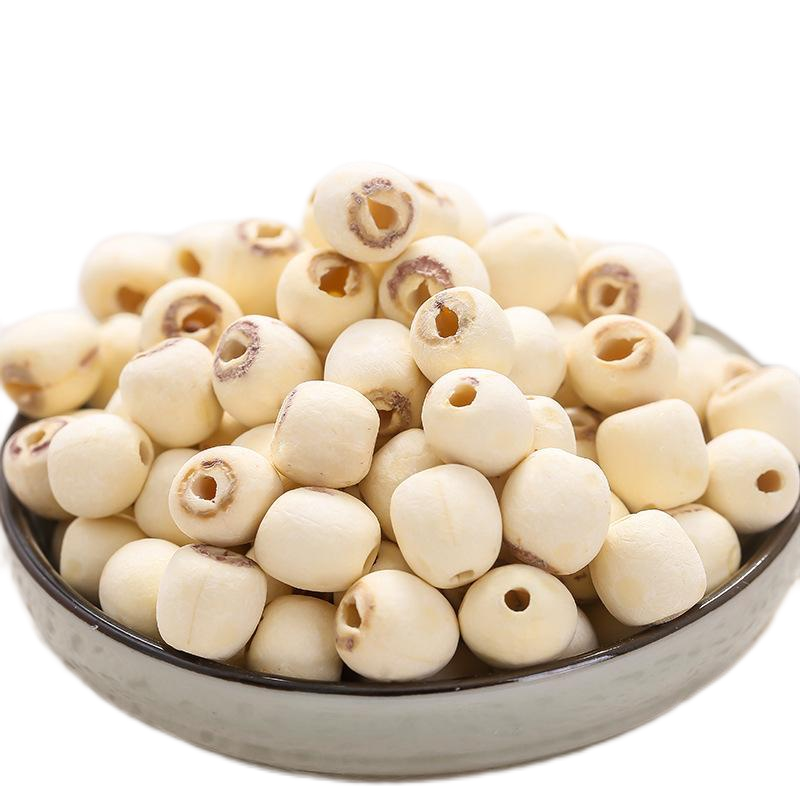
Round (Whole) Hunan Pearl Lotus Seeds
Whole, round, sulfur-free Hunan pearl lotus seeds — plump, creamy, and gently nourishing.
View specification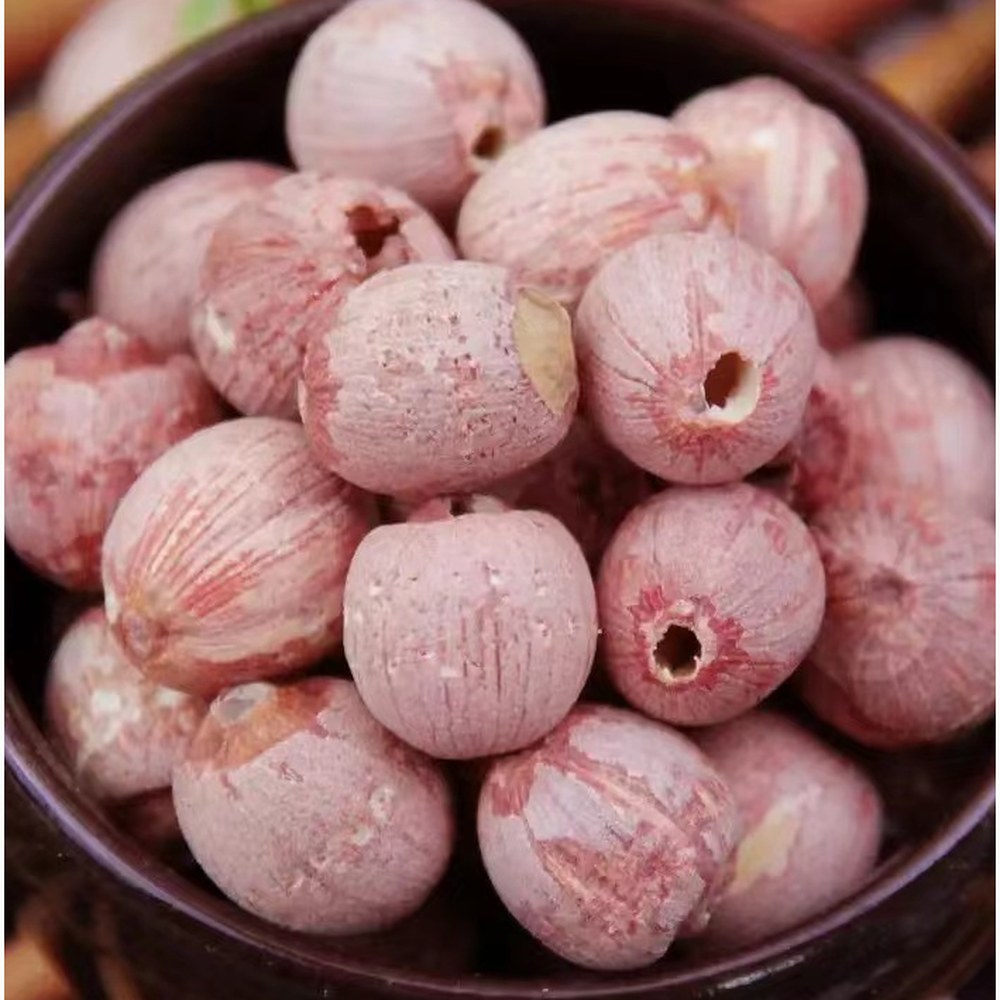
Coreless (Drilled) Pearl Lotus Seeds
Plumule removed for a clean, sweet, no-bitter taste — gently calming, ready to use.
View specification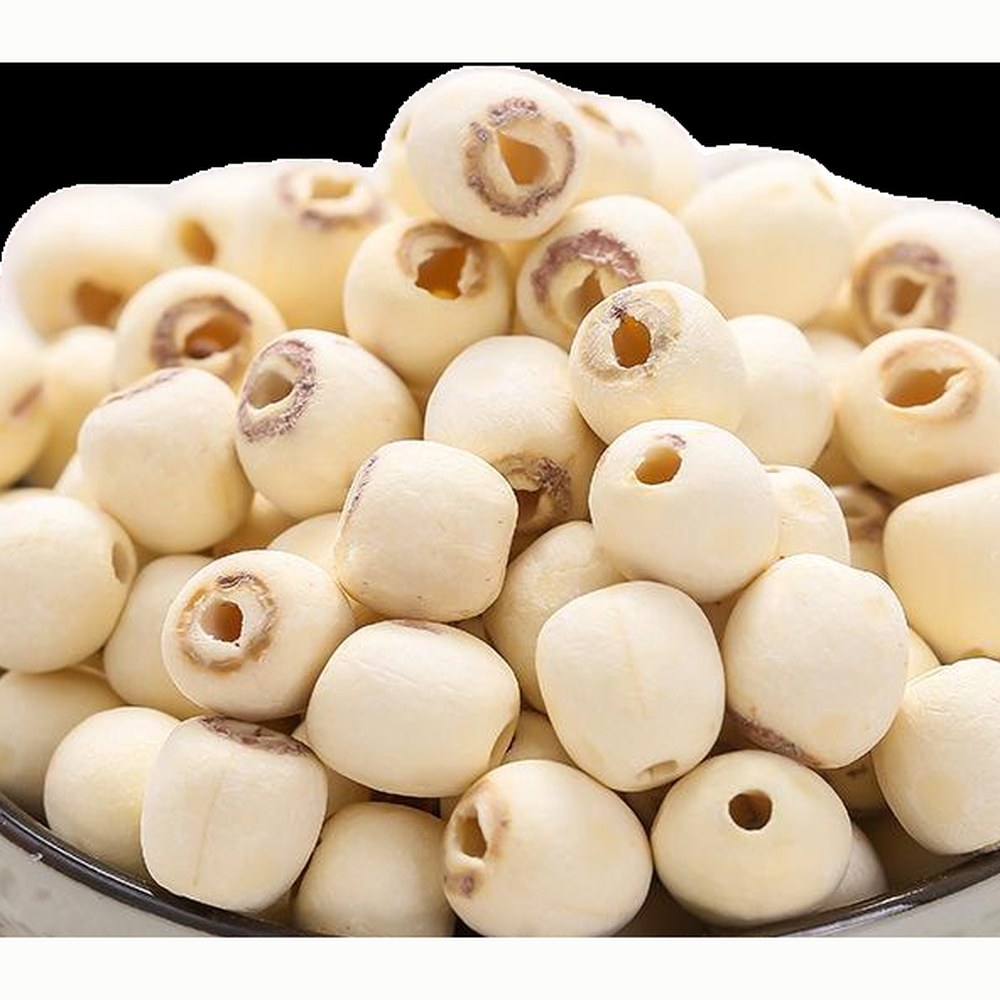
Grinding (Polished) White Lotus
Mechanically polished, milky-white and sulfur-free — the premium mooncake lotus.
View specificationContinue reading

Need this turned into a quotation?
Send the destination market, the end product and the volume. You get back a grade specification, a testing plan and a document list — the same three things this article told you to ask for.
Request a quote