Exporting Xianglian to Malaysia, Hong Kong, Singapore and Indonesia
Four markets that look similar from a distance behave nothing alike up close. The same container of Xianglian needs four different document sets and four different opening conversations.
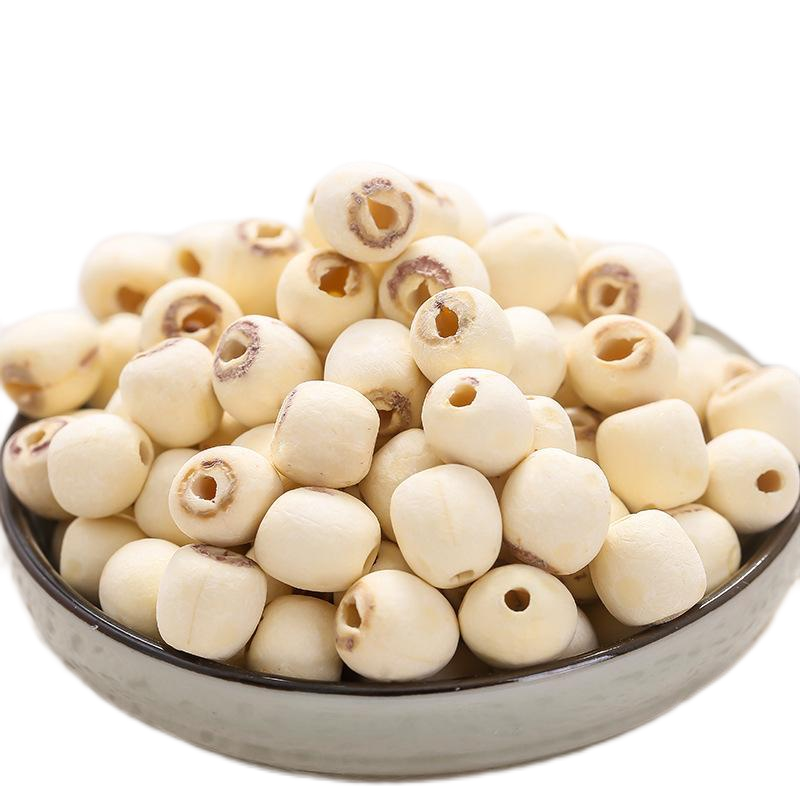
Key takeaways
- 1.Halal is the gating item in Malaysia and Indonesia — and the two countries run different recognition chains (JAKIM vs BPJPH).
- 2.Hong Kong's old paste houses buy on grade language (Cunsanlian, gold label / red label), not on the cheapest quote.
- 3.October to March is the supplier-review window for the following mid-autumn; samples sent later miss the buying decision.
Four markets, four approaches
| Market | Core customer | Entry point |
|---|---|---|
| Malaysia | Lotus paste / filling plants (largely OEM), dried-goods importers | Public listings are split / non-split / unshelled; 25 and 50 kg PP bags are the norm. Tiered full-container quotes are the most competitive offer. |
| Hong Kong, China | Long-established paste houses (several with 60+ years of history) | Buyers recognise the "Xianglian" and "Cunsanlian" labels; gold-label and red-label grading language is mature. |
| Singapore | Filling plants and artisan mooncake brands | High acceptance for premium lines; HACCP / ISO system documents carry weight. |
| Indonesia | Chinese food import wholesalers (Jakarta / Surabaya) | Requires BPJPH Halal plus an API-U import licence; channel customers decide quickly. |
Three compliance items — finish these before discussing price
- ·Halal: Malaysia runs through JAKIM-recognised routes, Indonesia through BPJPH. This is a hard gate for filling plants and chain retail.
- ·Testing: per-batch COA covering aflatoxin, moisture and sulphur dioxide. Japan's tightened command inspection on Chinese-origin lotus seeds at 10 µg/kg shows how sensitive destination authorities are.
- ·HS code: China export code 1212.99.9400 versus inconsistent destination classification — confirm line by line with your broker before shipping.
Note: A buyer who asks for Halal documents in the first email is telling you the order is real. Prepare a document pack once and reuse it.
Seasonal rhythm: when to move
- 1October to December: the new-crop intake closes and paste plants begin supplier evaluation for the following year — the prime window for samples, specification sheets and test reports.
- 2December to January: lunar new year and rice-cake stocking; small wellness and gift-box orders are winnable.
- 3January to March: supplier review and sample validation for the next mid-autumn — the order-locking period.
- 4March to June: concentrated mid-autumn raw-material ordering and production; supply continuity and per-batch testing are the whole job.
- 5Q4 to Q1: canned congee and sweet-soup plants are the year-round peak — a good fit for an annual framework agreement.
Note: Dates for lunar festivals shift each year; confirm the actual mid-autumn date before you promise a delivery window.
Grades, limits, tax treatment and inspection regimes change without notice. Confirm the current position for your product, origin and destination with your importer or the relevant authority before contracting — treat everything here as a starting point for verification.
Frequently asked questions
QWhich market should a first-time exporter start with?
QCan you handle the Halal certification process?
QWhat packing is standard for these markets?
Products referenced in this guide
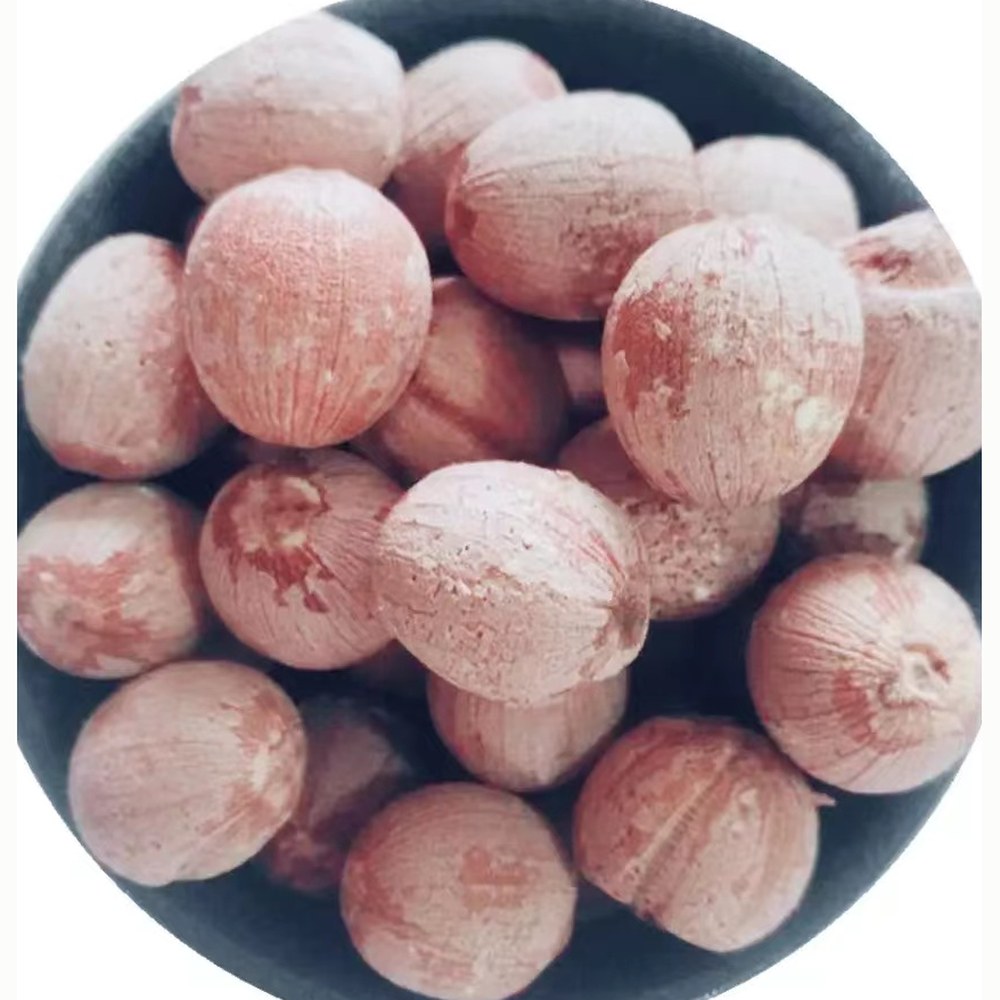
Round (Whole) Hunan Pearl Lotus Seeds
Whole, round, sulfur-free Hunan pearl lotus seeds — plump, creamy, and gently nourishing.
View specification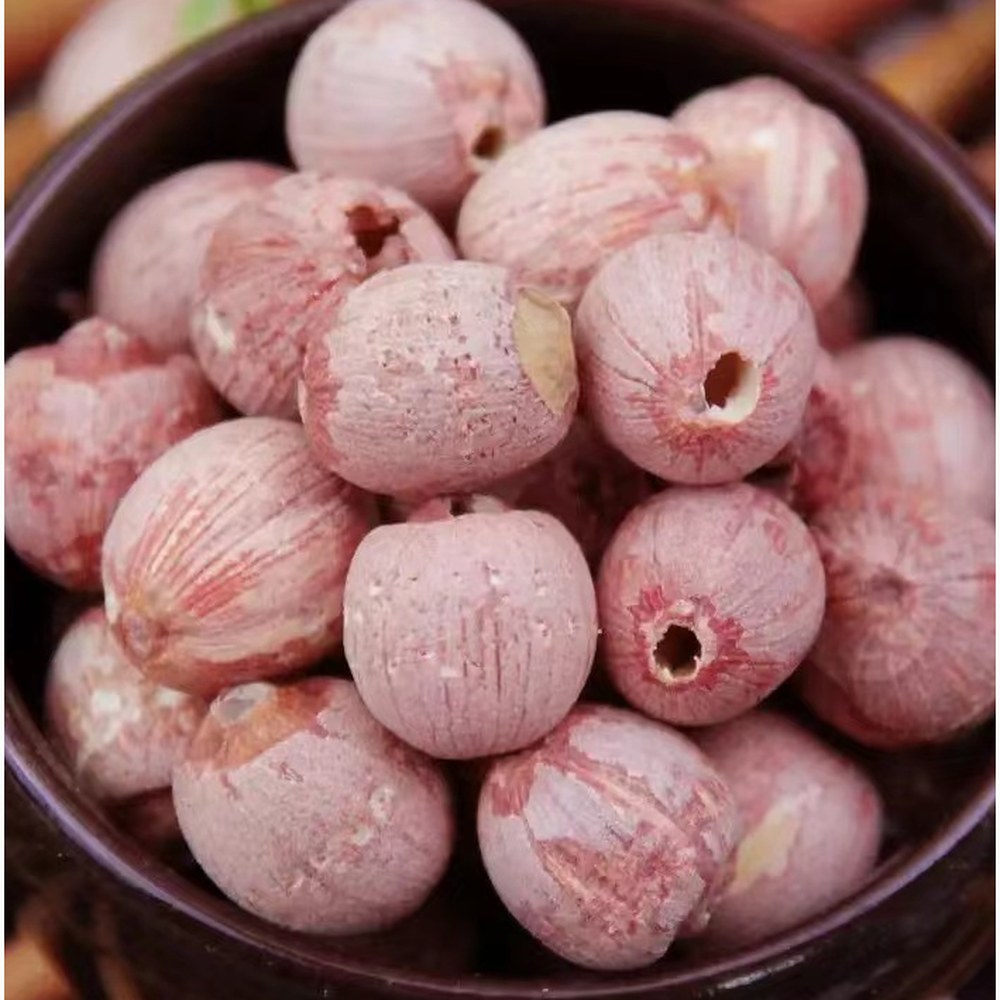
Coreless (Drilled) Pearl Lotus Seeds
Plumule removed for a clean, sweet, no-bitter taste — gently calming, ready to use.
View specification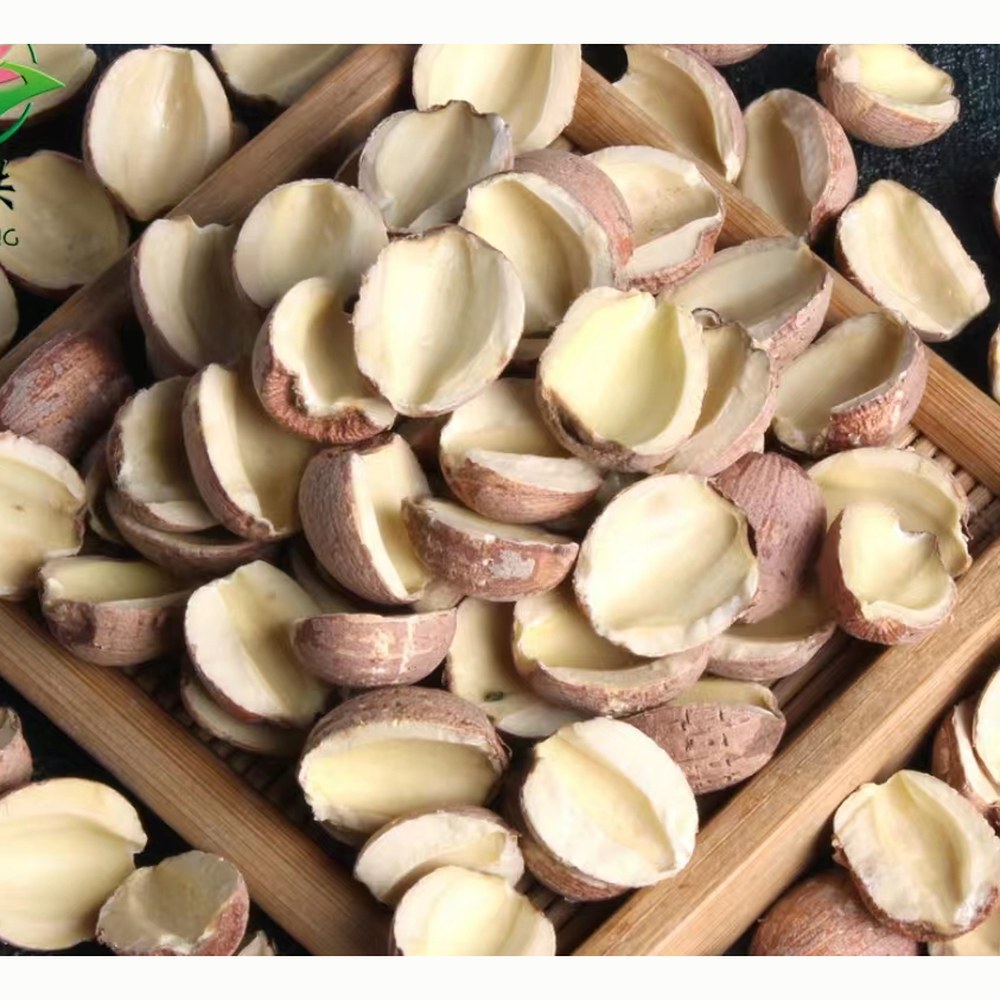
Split (Open) White Pearl Lotus
Split halves cook soft & fast — clean, sulfur-free white lotus for kitchens.
View specificationContinue reading

Need this turned into a quotation?
Send the destination market, the end product and the volume. You get back a grade specification, a testing plan and a document list — the same three things this article told you to ask for.
Request a quote