Xianglian vs Vietnamese White Lotus Seeds: How Importers Should Choose
On price alone, Xianglian loses to Vietnamese white lotus every time. On the downstream paste line, price was never the deciding factor.
Key takeaways
- 1.Vietnamese white lotus wins on landed cost; Xianglian wins where the raw material appears in the customer-facing claim.
- 2.Do not run one grade across all product lines. Grade mismatch is the most common cost leak in paste plants.
- 3."Lotus seeds" in trade can mean fox nut (makhana). Always specify dried lotus seeds (Nelumbo nucifera) and origin.
Why this comparison matters
In overseas lotus seed markets, Vietnamese white lotus is Xianglian's main competitor. In Malaysian public import records the single largest shipment — roughly 19,000 kg — originated in Vietnam, with China second. On pure price Xianglian cannot win; but in the paste segment, price is never the deciding factor.
The reason is that paste buyers are not buying seeds, they are buying paste yield, colour and aroma — and those three decide whether the finished pack can carry a premium claim.
Six-dimension comparison
| Dimension | Hunan Xianglian | Vietnamese white lotus |
|---|---|---|
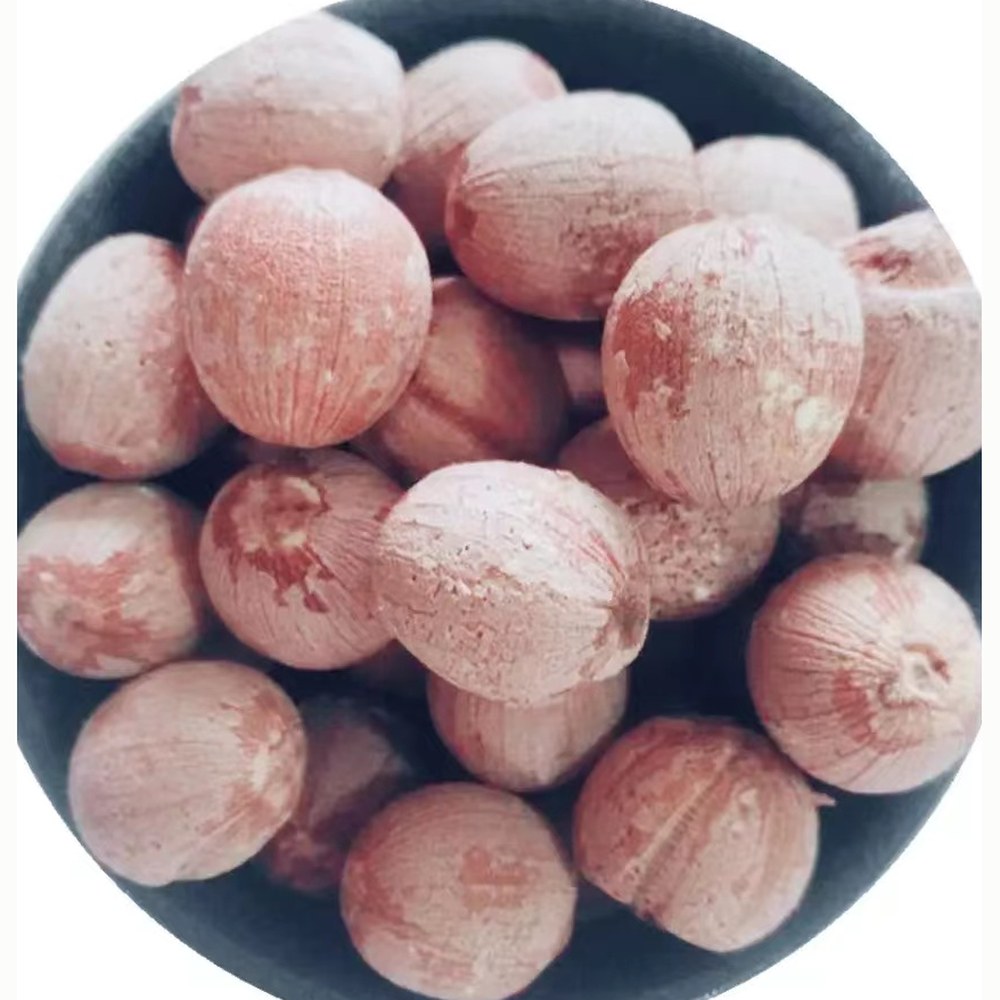
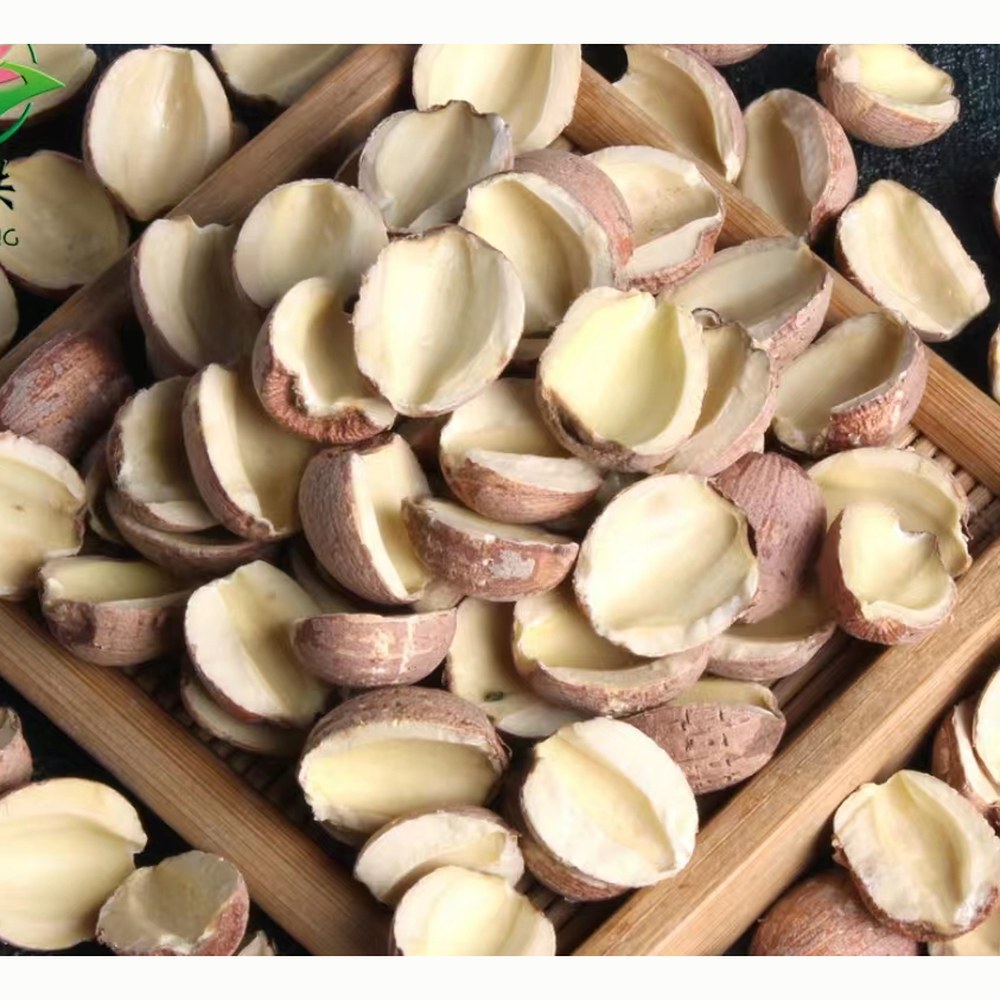
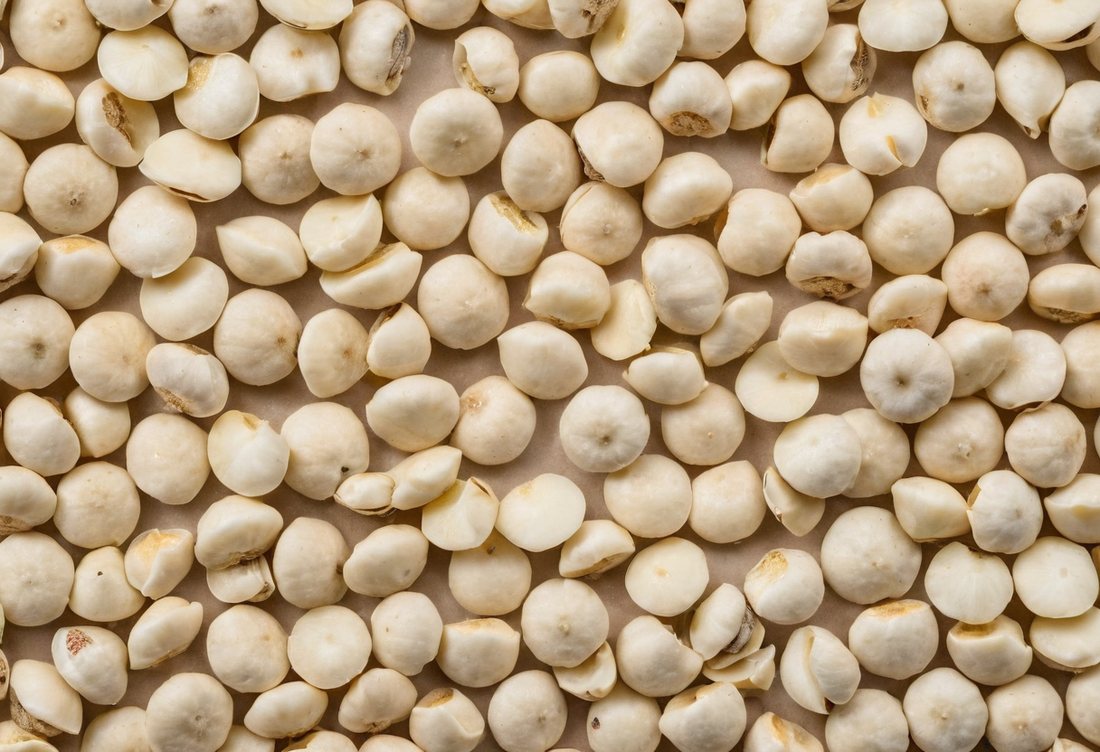
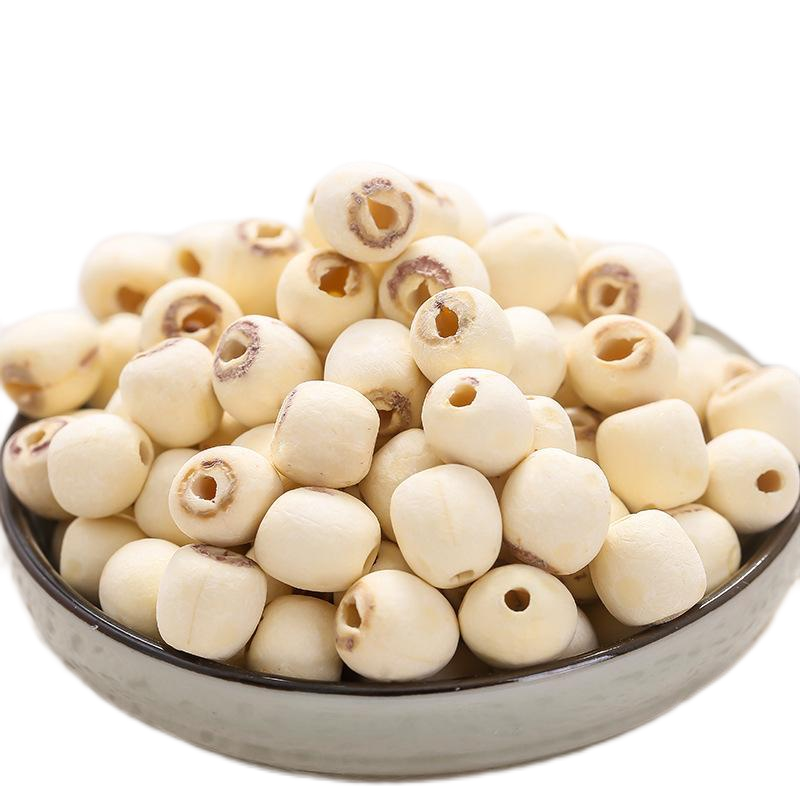
| Grain and whole-grain ratio | Large, round, high whole-grain ratio, mature grading system | Slightly smaller, wider batch-to-batch variation |
| Paste yield and aroma | High yield, strong aroma | Moderate yield, milder flavour |
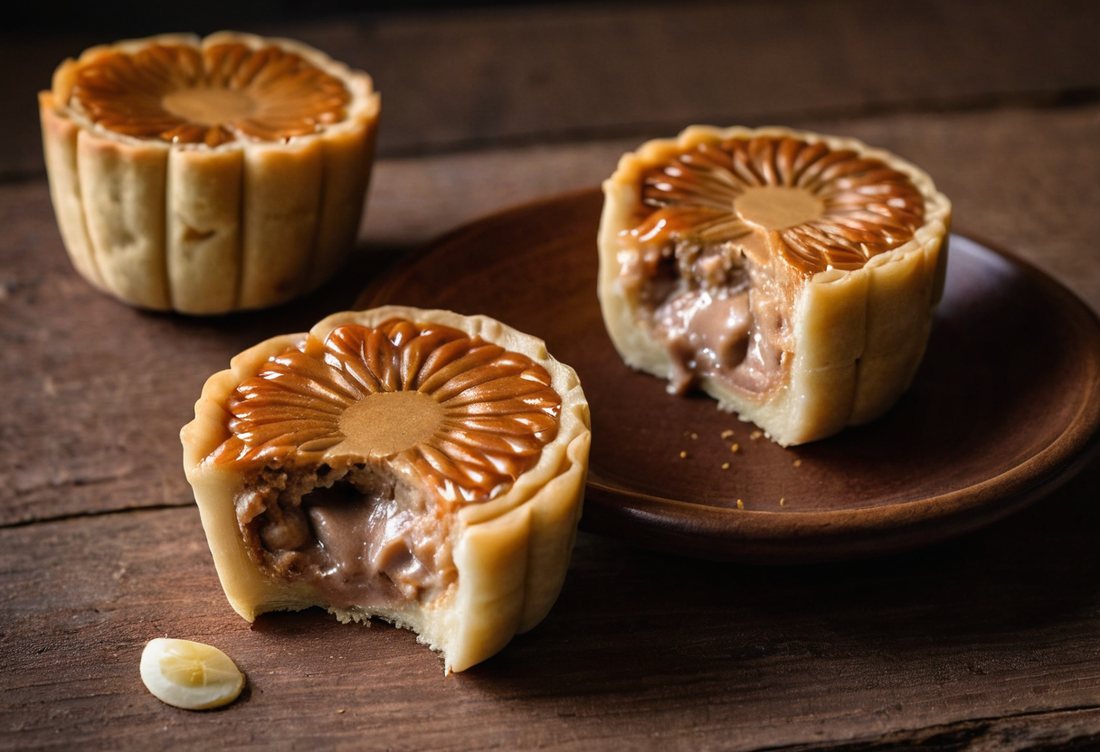
| Brand recognition | "Xianglian" and "Cunsanlian" are cited in buyers' own copy; carries consumer premium | No category-label premium; treated as a cost-driven input |
| Price | Clear premium at higher grades | Lower landed cost |
| Certification and testing | Factory-direct supply can include per-batch COA and Halal documents | Fragmented supply chain; document consistency must be self-managed |
| Best fit | Premium white paste, gift boxes, wellness retail | Mid-tier volume lines, cost-sensitive orders |
The pragmatic strategy: split raw material by product line
- ·Premium line (anything whose copy mentions origin): use Cunsanlian or selected round grade, and turn "Hunan Xianglian" into a selling point.
- ·Mid-tier line: Xianglian split for volume paste — controllable cost while keeping Xianglian flavour.
- ·Avoid running one grade across every product line — grade mismatch is the most common cost waste in paste plants.
- ·Before switching suppliers, run a small paste-yield trial and recalculate cost per kilo of paste, not cost per kilo of seeds.
Note: The calculation that matters is cost per kilo of finished paste at target brix. A cheaper seed that yields less paste is frequently the more expensive input.
Sourcing risk: what "lotus seeds" actually means
Watch the category trap: in international trade, Indian makhana (fox nut) is also sold as "lotus seeds", and it is not the same product as Xianglian (the seed of Nelumbo nucifera). In search and in enquiries, always write dried lotus seeds (Nelumbo nucifera), Hunan origin.
Note: This is also why HS classification matters: makhana and lotus seeds can be classified and inspected differently in destination markets. Confirm the code with your broker before booking.
Grades, limits, tax treatment and inspection regimes change without notice. Confirm the current position for your product, origin and destination with your importer or the relevant authority before contracting — treat everything here as a starting point for verification.
Frequently asked questions
QIs Vietnamese white lotus genuinely inferior?
QCan you supply both origins for comparison?
QHow do I know the shipment is really Hunan origin?
Products referenced in this guide
Continue reading
Need this turned into a quotation?
Send the destination market, the end product and the volume. You get back a grade specification, a testing plan and a document list — the same three things this article told you to ask for.
Request a quote