Lotus Seeds into the United States: FSVP, Labelling and the Importer You Actually Need
A US buyer without a functioning FSVP programme is not a buyer. They are a delay that has already been paid for.
Key takeaways
- 1.Under FSVP, the US importer is legally responsible for verifying your facility. If they do not ask you for anything, they are not compliant.
- 2.Facility registration and prior notice are prerequisites, not afterthoughts — a missing registration stops a shipment at the port.
- 3.US labelling differs on the points people assume are universal: nutrition format, serving size basis, and allergen naming.
Who actually carries the legal obligation
The US food safety framework places the verification duty on the importer. The importer must evaluate the foreign supplier's performance, hazard analysis and risk, and must be able to show records of that evaluation. As an exporter, you are the subject of that verification even though you are not the obligated party.
This creates a useful screening test. A serious US buyer will ask early for your food safety plan summary, registration number, audit reports and testing history. A buyer who asks for none of these before placing an order is either not compliant or not experienced — both of which become your problem at the port.
Note: Requirements are set by regulation and updated through guidance. Confirm the current obligations with the importing party or a US compliance specialist for your specific product and facility — this is not an area for inference.
The three prerequisites that stop shipments
| Item | Who does it | Consequence if missing |
|---|---|---|
| Facility registration | The manufacturing facility, renewed on the required cycle | Consignment refused at port |
| Prior notice | The importer or their agent, filed before arrival | Refused or held pending filing |
| Importer FSVP records | The US importer | Importer cannot demonstrate compliance; goods and relationship at risk |
Labelling differences that catch experienced exporters
- ·Nutrition format: the US panel layout and unit conventions differ from the EU and from Asian markets. Do not reuse artwork across regions.
- ·Serving size: the basis is defined by product category, not chosen by the brand. Getting this wrong invalidates the whole panel.
- ·Allergen naming: US naming conventions for allergens are specific. Lotus seed is not a major allergen there, but the surrounding declarations still have to follow US wording.
- ·Net quantity: dual declaration conventions differ; metric-only may not satisfy the requirement.
- ·Ingredient statement for paste: if you also supply paste, the ingredient list becomes the main compliance surface, not the seed.
Choosing the right US buyer
- 1Ask, politely and early, who their FSVP qualified individual is and what records they will request from you. Serious buyers answer this in one sentence.
- 2Confirm whether they import directly or buy from a domestic distributor. Buying domestically shifts all of this to someone else — which is fine, as long as you know which model you are in.
- 3Provide a documentation pack once: registration, food safety plan summary, audit reports, per-batch test reports, and a product specification sheet.
- 4Require artwork approval in writing before printing retail packs.
- 5For a first order, ship bulk and let the importer handle retail labelling. It removes the single most expensive failure mode from the trial.
Note: A US buyer who wants retail-ready packs on the first order is asking you to take labelling risk you cannot control. Charge for it, or decline it — but do not absorb it silently.
Grades, limits, tax treatment and inspection regimes change without notice. Confirm the current position for your product, origin and destination with your importer or the relevant authority before contracting — treat everything here as a starting point for verification.
Frequently asked questions
QDo you have a US facility registration?
QCan you ship retail-ready packs to the US?
QIs FSVP something the exporter can do on the importer's behalf?
Products referenced in this guide
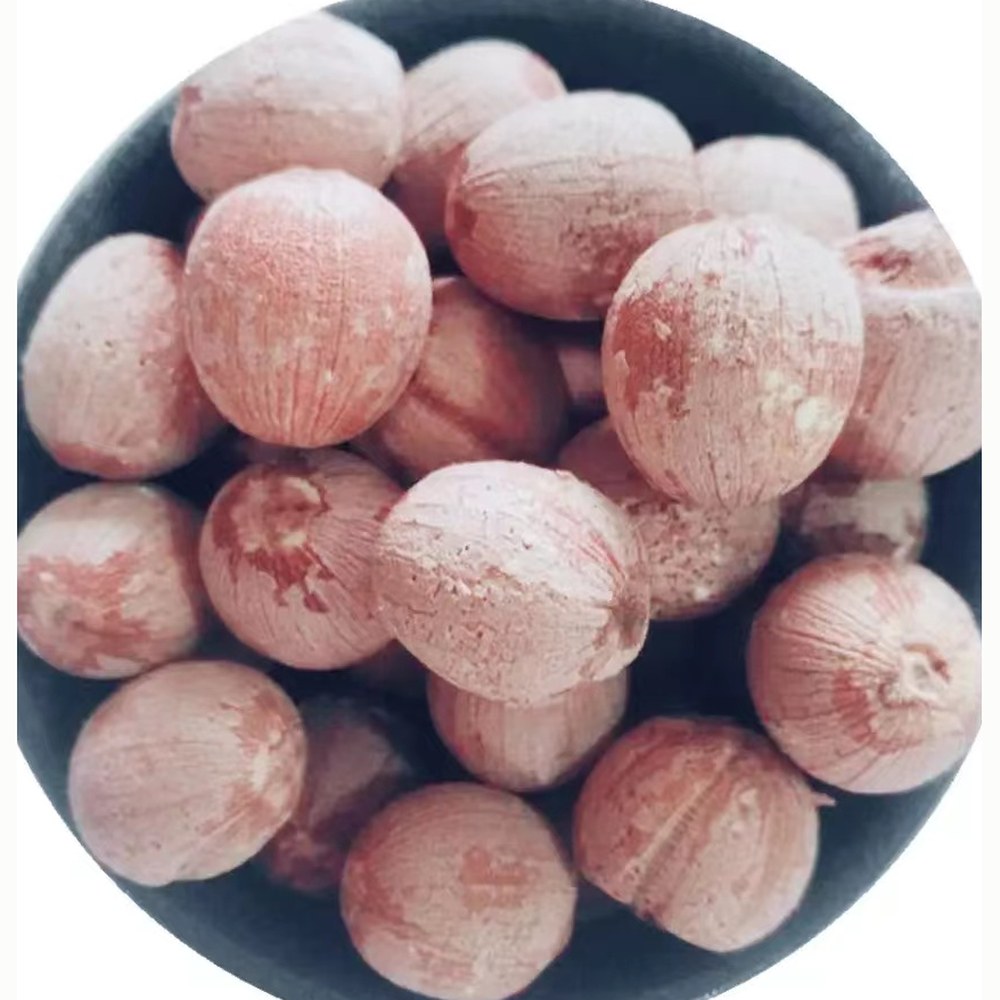
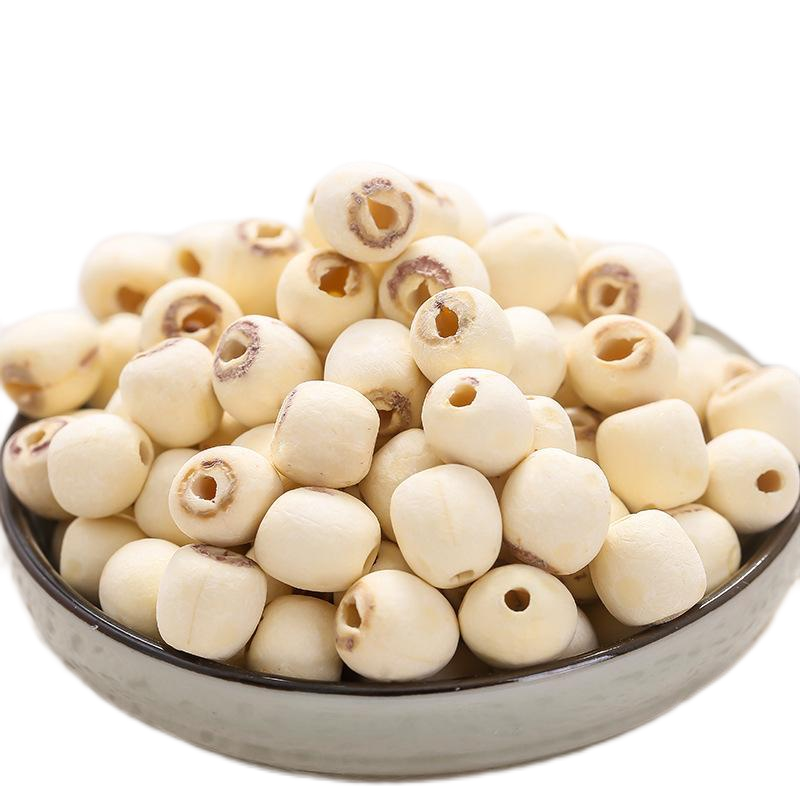
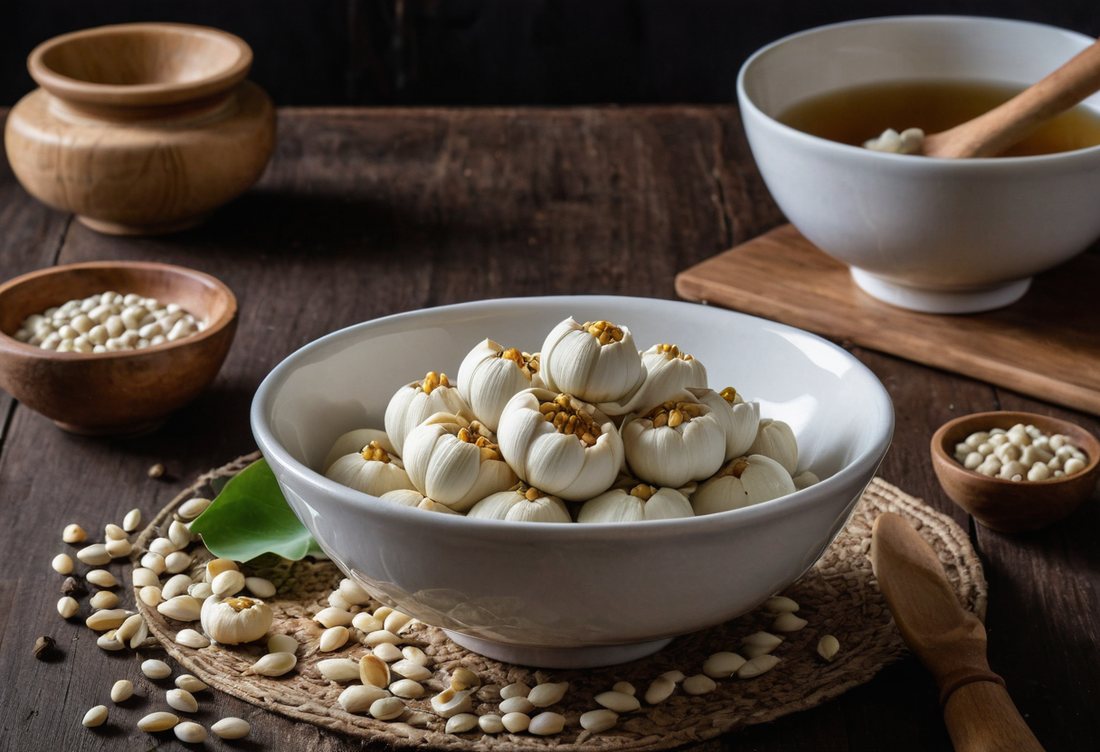
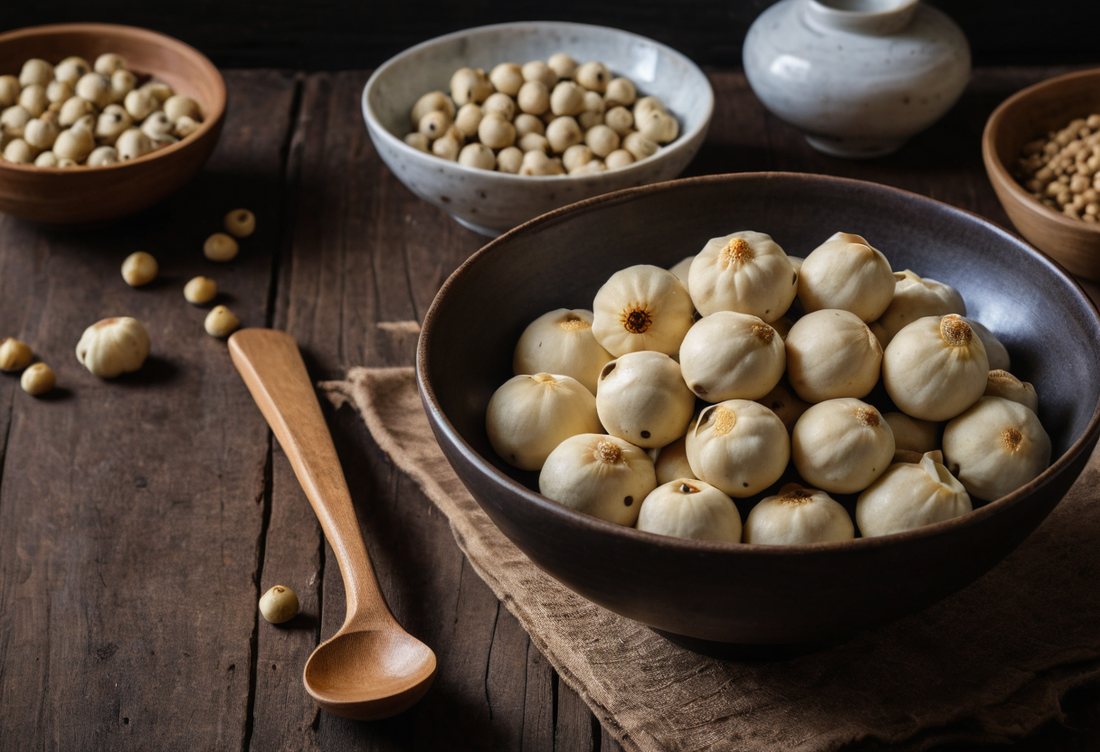
Round (Whole) Hunan Pearl Lotus Seeds
Whole, round, sulfur-free Hunan pearl lotus seeds — plump, creamy, and gently nourishing.
View specification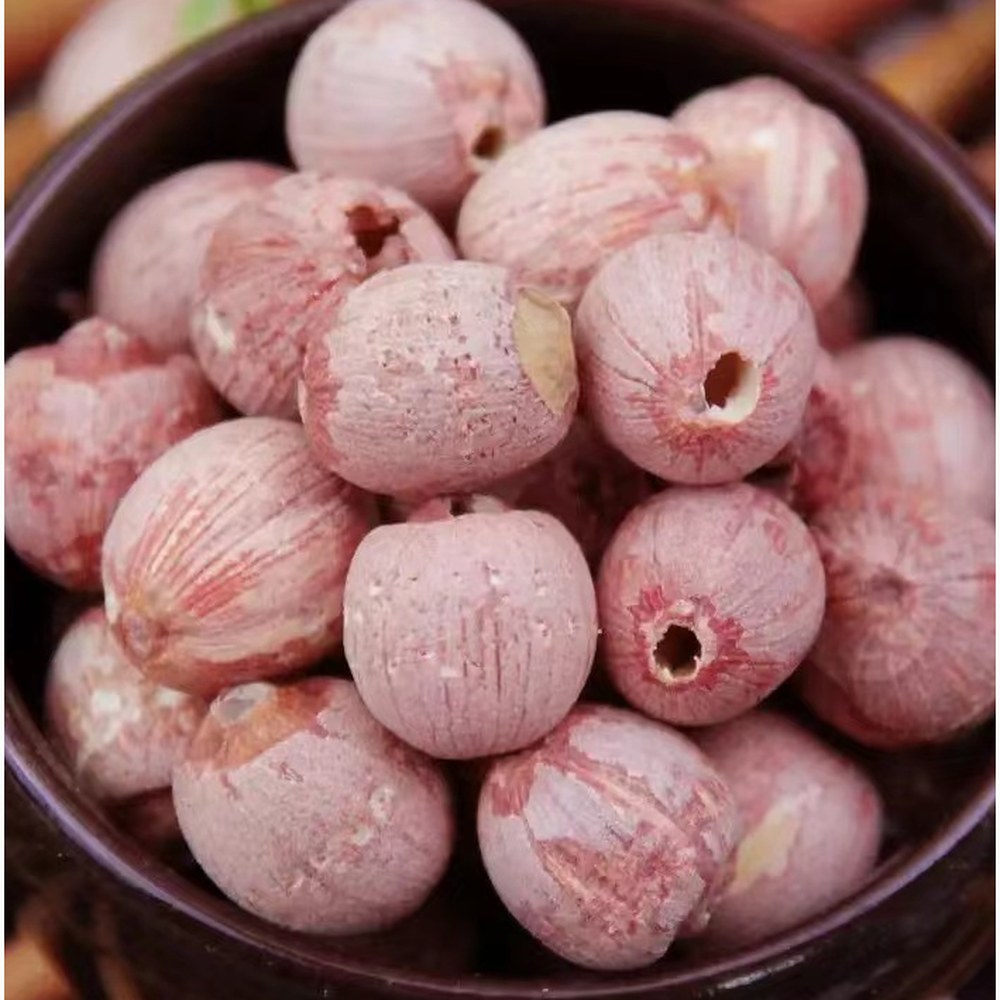
Coreless (Drilled) Pearl Lotus Seeds
Plumule removed for a clean, sweet, no-bitter taste — gently calming, ready to use.
View specification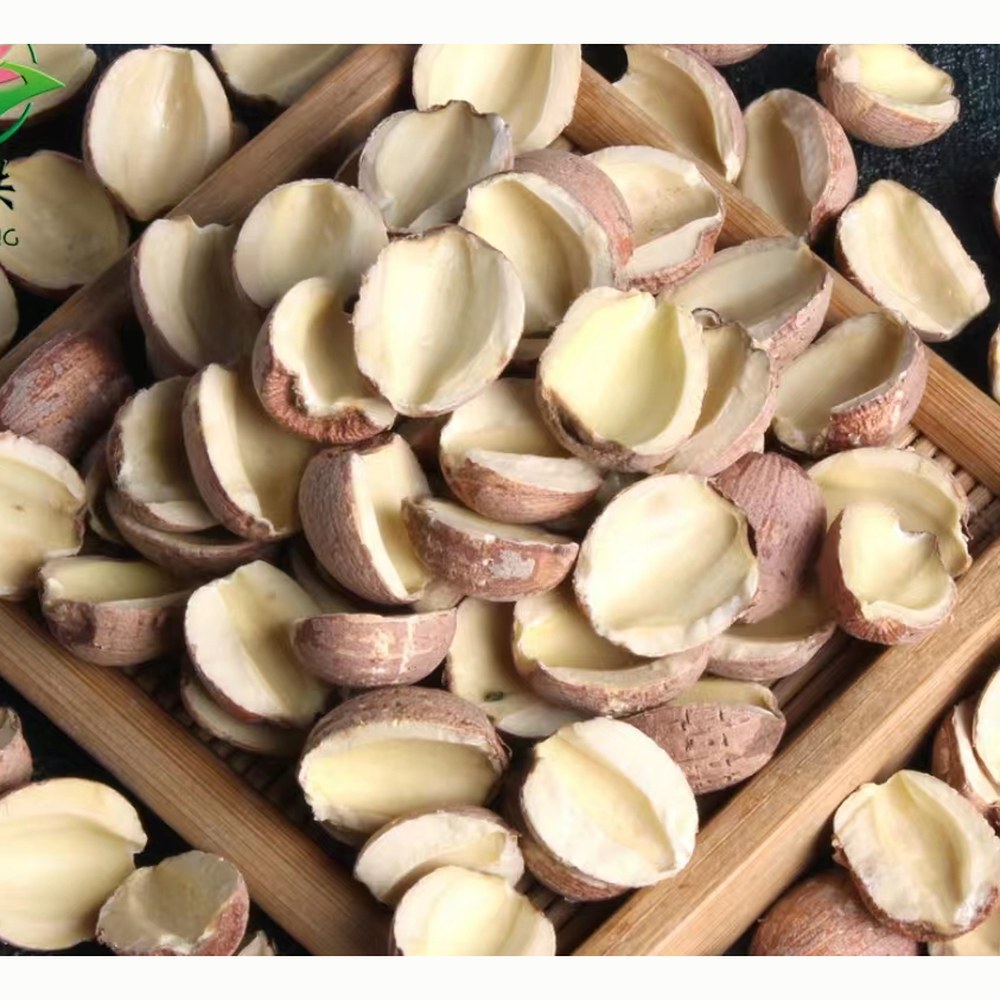
Split (Open) White Pearl Lotus
Split halves cook soft & fast — clean, sulfur-free white lotus for kitchens.
View specificationContinue reading

Need this turned into a quotation?
Send the destination market, the end product and the volume. You get back a grade specification, a testing plan and a document list — the same three things this article told you to ask for.
Request a quote