Sulphur-Free Lotus Seeds and SO₂: Why White Is Not Always Clean
Colour is the easiest attribute to fake and the easiest to buy. It is also the least reliable indicator of quality in the entire lotus seed trade.
Key takeaways
- 1.Sulphur treatment exists to win a colour comparison, not to improve the seed. It is a cosmetic intervention with a residue consequence.
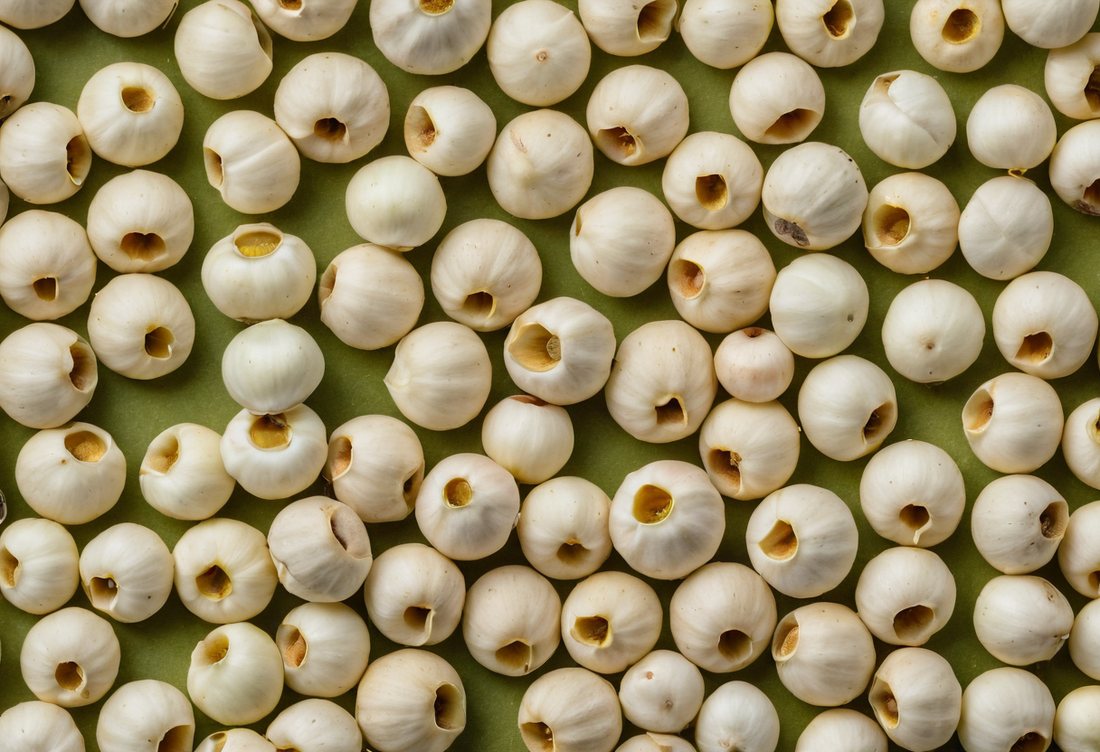
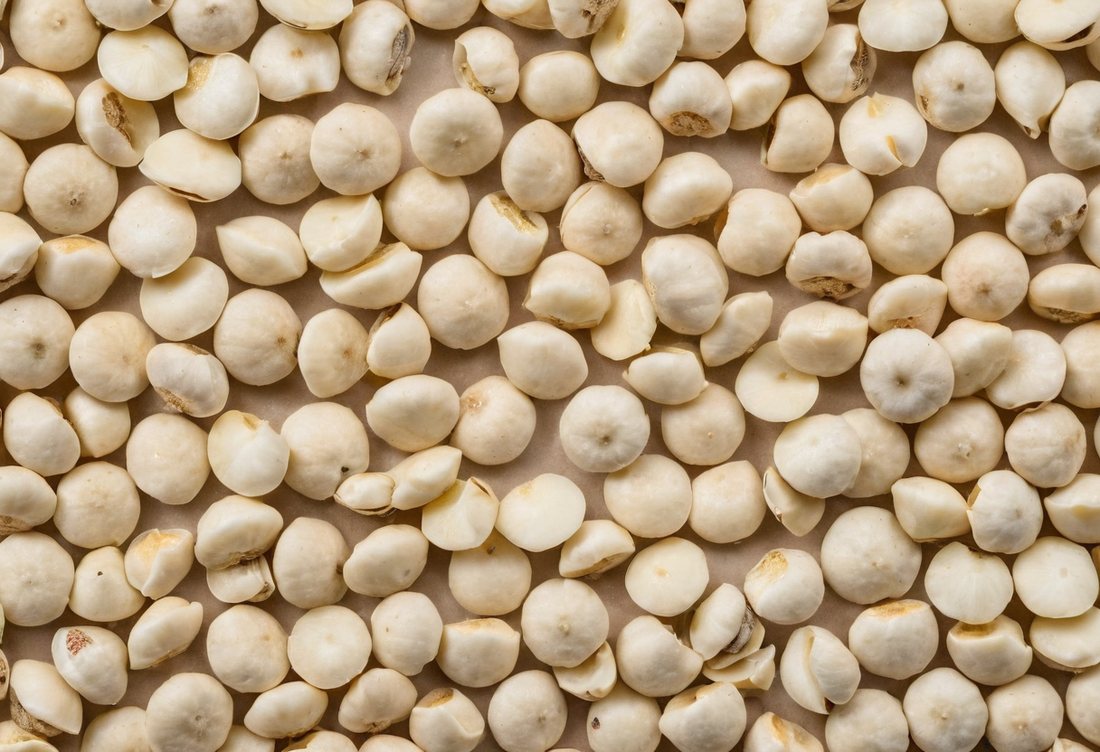
- 2.Natural colour varies by variety, harvest date and drying method — off-white is normal, blue-white is suspicious.
- 3.A sulphur-free claim needs an SO₂ test result attached, otherwise it is marketing.
What sulphur actually does
Sulphur fumigation and sulphite dips suppress enzymatic browning and slow microbial growth. On a starchy white seed, the visible result is a brighter, cooler, more uniform white — the colour that photographs well and compares well on a sample table.
Nothing about that process improves taste, texture or paste yield. It changes appearance, and it leaves residue. Buyers who pay a premium for whiteness are paying for the treatment, not for the seed.
Note: There is a legitimate argument for sulphite use in some dried-fruit categories where browning is severe. Lotus seed is not one of them — the natural colour after proper drying is already acceptable to any buyer who is not comparing samples side by side under a lamp.
Where the limits sit
Sulphur dioxide limits for dried seeds and similar categories are set per destination and often per product category, and they are not harmonised. The same lot that clears one market can fail another on SO₂ alone.
- ·Ask your importer for the applicable limit and its legal citation, in writing, before you order.
- ·Confirm whether the limit applies to the dried seed as sold, or to the food as consumed after further processing — the calculation basis differs.
- ·Check whether the method is expressed as SO₂ or as sulphite, since the two are not numerically interchangeable.
Note: Regulatory limits change. Treat every figure you read here as a starting point for verification, not as an answer — confirm the current text with the destination authority or your importer.
How to tell a genuinely sulphur-free lot
- 1Ask for the SO₂ test result, not the declaration. Both, ideally, but the test is the one that carries weight.
- 2Check that the test is tied to the lot number and dated close to loading.
- 3Look at the sample colour under daylight, not under a shop lamp — and compare against a known natural lot rather than against a photograph.
- 4Smell the sample. Sulphur-treated goods often carry a sharp, lingering note that fades with airing but returns when the bag is closed again.
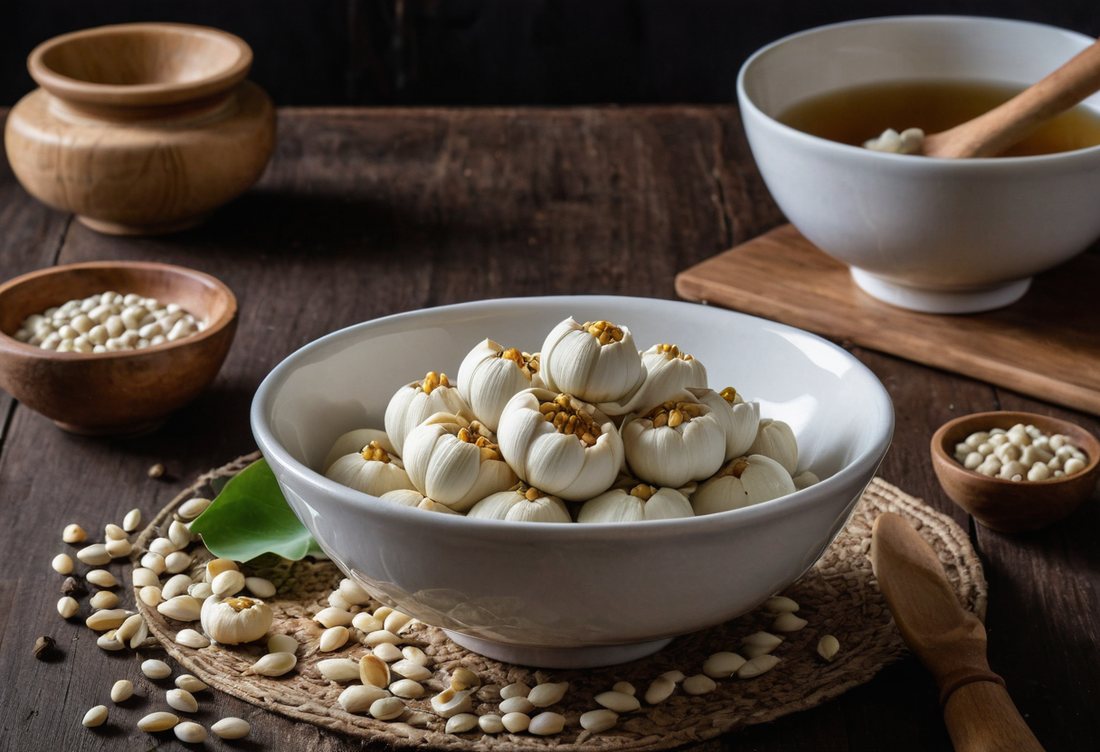
- 5Cook a small quantity. Sulphur-treated seed can taste slightly flat or metallic compared with natural seed, and the difference is easier to detect in a plain sweet soup than in a heavily sweetened paste.
The commercial argument for sulphur-free
- ·Allergen and additive labelling: in markets that require additive declaration, a sulphur-treated lot may need to state it on the pack — which conflicts with a clean-label positioning.
- ·Regulatory risk concentration: a sulphur-treated lot has one more way to fail at the border, on a parameter unrelated to taste or texture.
- ·Colour expectations compound: once a customer is used to blue-white, natural seed looks 'old' to them. Buying sulphur-free from the start avoids creating that expectation.
Note: The cost difference between treated and untreated is usually small relative to the cost of a rejected container. This is one of the few places in lotus seed sourcing where the cheap option is genuinely the risky one.
Grades, limits, tax treatment and inspection regimes change without notice. Confirm the current position for your product, origin and destination with your importer or the relevant authority before contracting — treat everything here as a starting point for verification.
Frequently asked questions
QWill sulphur-free lotus seeds look less white than what I have been buying?
QCan you guarantee zero SO₂?
QDoes sulphur treatment affect paste yield?
Products referenced in this guide
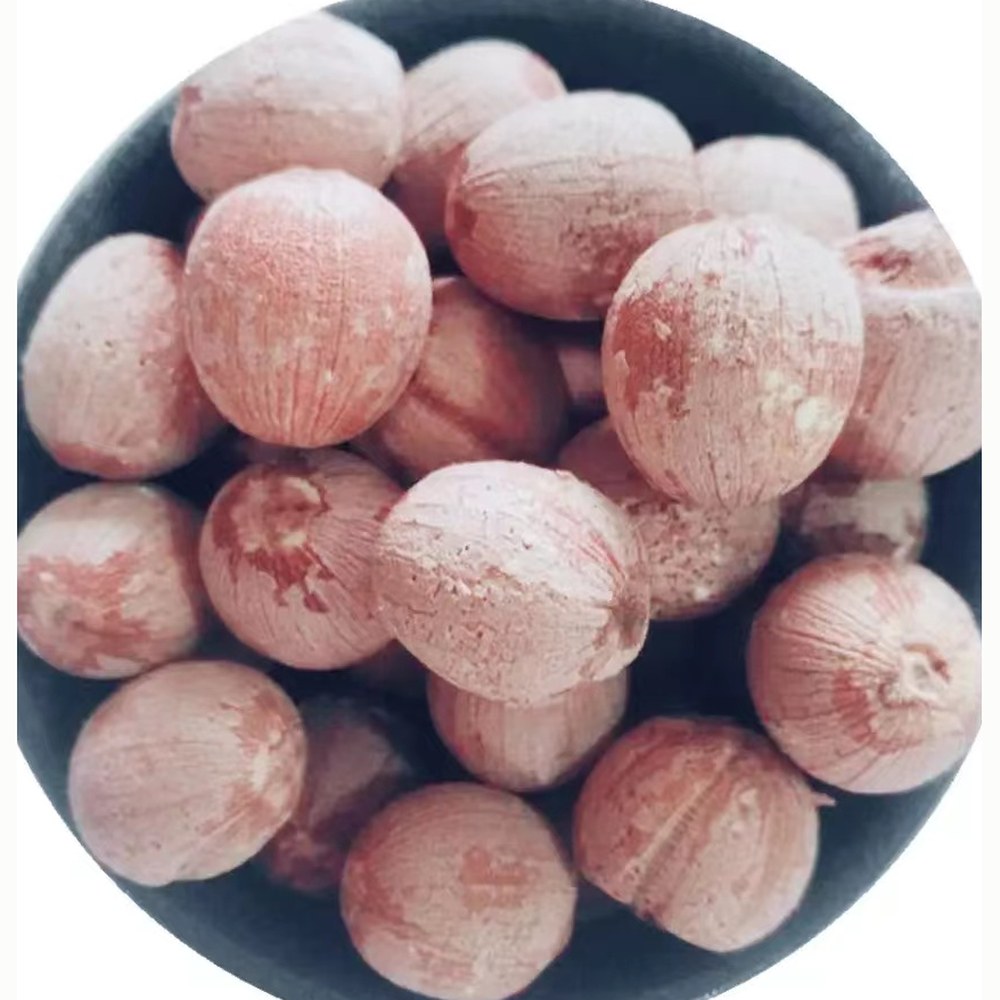
Round (Whole) Hunan Pearl Lotus Seeds
Whole, round, sulfur-free Hunan pearl lotus seeds — plump, creamy, and gently nourishing.
View specification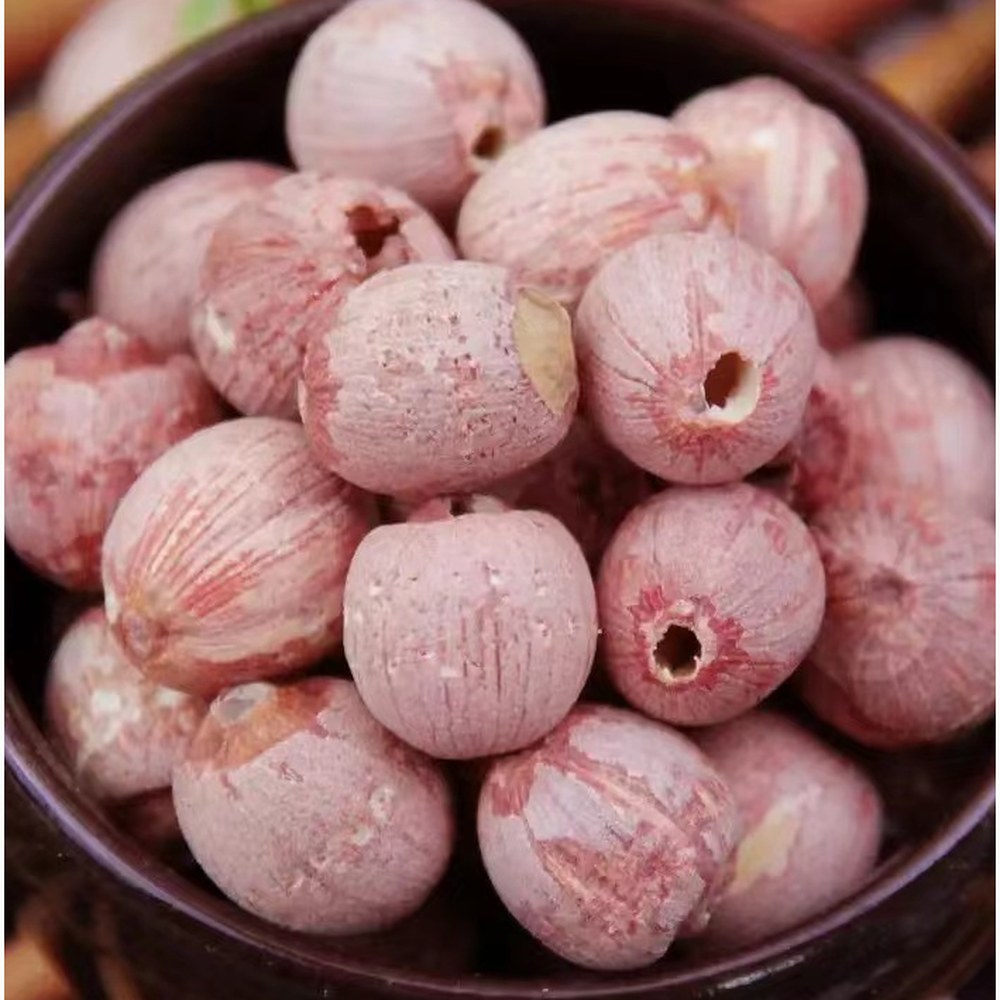
Coreless (Drilled) Pearl Lotus Seeds
Plumule removed for a clean, sweet, no-bitter taste — gently calming, ready to use.
View specification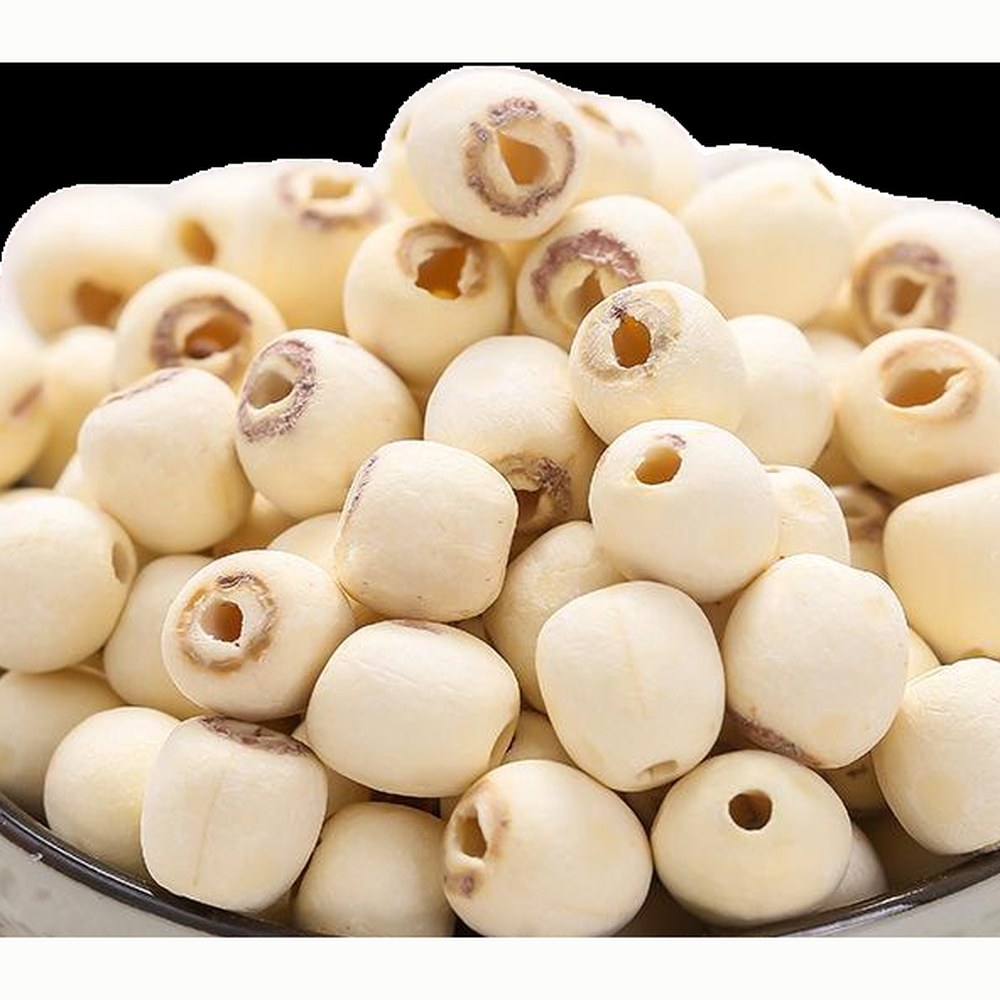
Grinding (Polished) White Lotus
Mechanically polished, milky-white and sulfur-free — the premium mooncake lotus.
View specificationContinue reading
Need this turned into a quotation?
Send the destination market, the end product and the volume. You get back a grade specification, a testing plan and a document list — the same three things this article told you to ask for.
Request a quote