Sensory Grading for Lotus Seeds: Colour, Aroma, Texture — and How to Write It Down
"It doesn't taste right" has ended more supplier relationships than any test result. Turning that sentence into a number is what makes it negotiable.
Key takeaways
- 1.Score sensory attributes on a fixed scale, in a fixed light, with a fixed cooking method. Otherwise you are comparing memories, not samples.
- 2.Colour, aroma and texture fail independently. A lot can be visually perfect and still make poor paste.
- 3.Anchor the language to references both sides hold — a retained sample is worth more than three adjectives.
Why sensory attributes still decide repeat orders
A laboratory can tell you a lot is safe. It cannot tell you whether the paste will look right in a mooncake, or whether the sweet soup will taste the way a customer remembers it. Those judgements are sensory, they are made by human beings, and they are the ones that determine whether an order is repeated.
The problem is that sensory judgement is usually informal. Someone looks at a sample, says it is fine or not fine, and no record survives. Six months later, a disagreement has no evidence on either side — only two recollections.
A workable scoring method
| Attribute | How to assess | What scores badly |
|---|---|---|
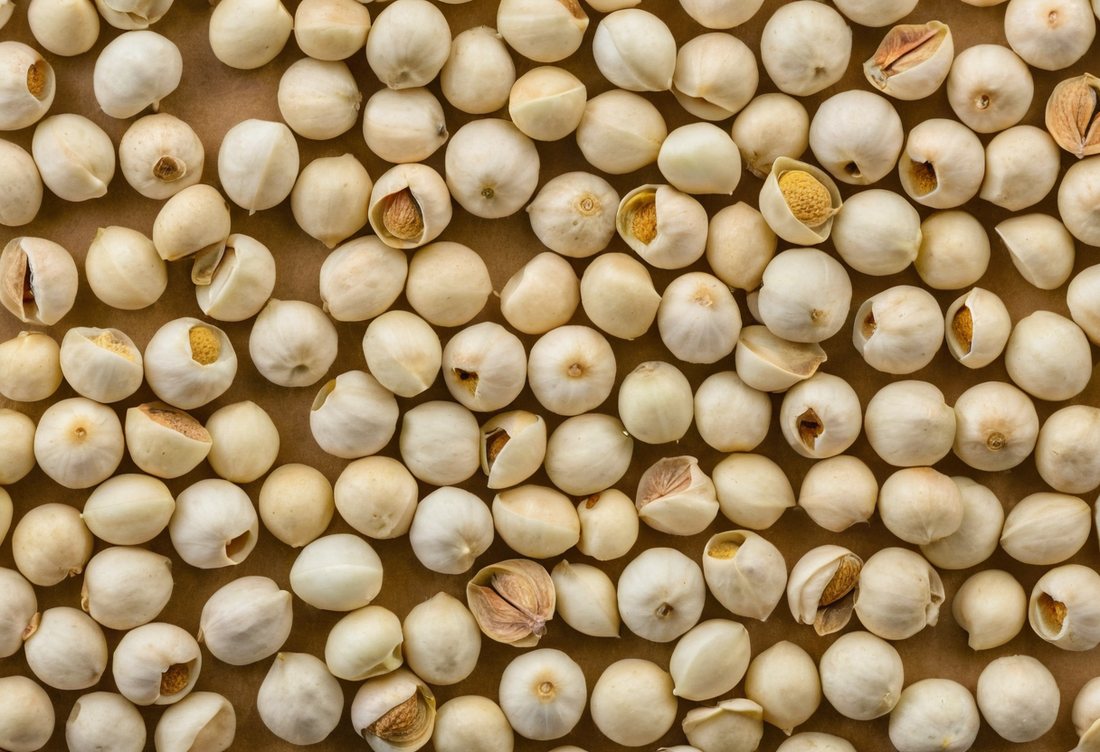
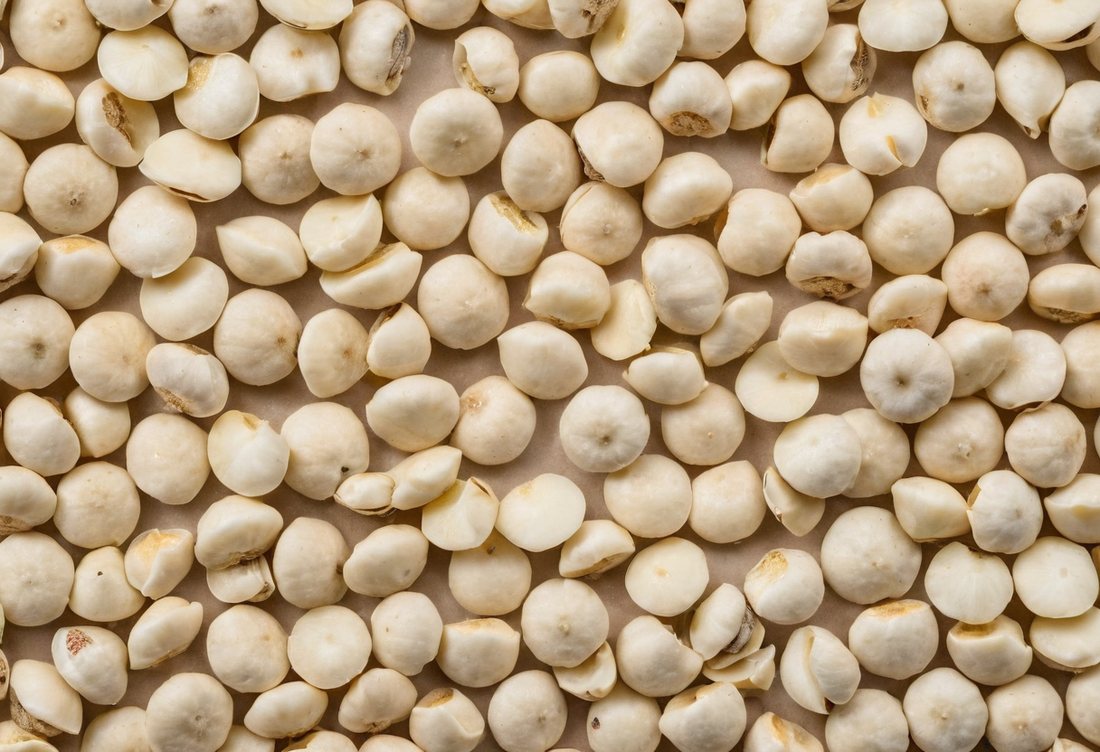
| Colour uniformity | Spread a fixed weight on white paper under daylight; compare grain to grain | Visible variation across the sample; patchy or blotchy patches |
| Colour tone | Judge against a retained reference sample, never against a photograph | Cool blue-white (possible treatment) or dull yellow-grey (possible ageing) |
| Aroma, dry | Crush a few grains in a covered cup, wait, then smell | Musty, papery, or a sharp chemical note |
| Aroma, cooked | Boil a fixed weight in unsweetened water for a fixed time; smell the steam | Flat or absent aroma; the note that should carry the paste is missing |
| Texture, cooked | Press a grain between finger and thumb; then bite | Chalky and disintegrating, or hard and glassy with an uncooked centre |
| Paste behaviour | Mash a fixed cooked weight through a fixed sieve; note yield and smoothness | Low yield, grainy mouthfeel, or a paste that splits on standing |
Note: Fix the variables: same weight, same water, same pot, same time, same light. If the method changes between evaluations, the scores are not comparable and the record is worthless.
Turning the score into contract language
- ·Define the reference: 'colour to be within the range of retained sample LOT-XXXX dated YYYY-MM-DD'. A named sample beats every adjective.
- ·Define the method: state weight, water ratio, cook time and sieve mesh. Without it, 'texture' is not a specification.
- ·Define tolerance: how much variation is acceptable before it becomes a claim. Zero variation is not a real specification.
- ·Define the remedy: re-sorting, price adjustment, or rejection — decided before the dispute, not during it.
What sensory grading cannot do
- ·It cannot replace safety testing. A lot that smells wonderful can still fail on aflatoxin.
- ·It cannot be done from photographs. Colour in an image has been through a camera, a screen and a compression algorithm.
- ·It cannot resolve disagreement between two people who never shared a reference. That is what the retained sample is for.
Grades, limits, tax treatment and inspection regimes change without notice. Confirm the current position for your product, origin and destination with your importer or the relevant authority before contracting — treat everything here as a starting point for verification.
Frequently asked questions
QCan you supply a retained sample before I order?
QHow do I evaluate cooked texture without professional equipment?
QWhich attribute should I weight most heavily?
Products referenced in this guide
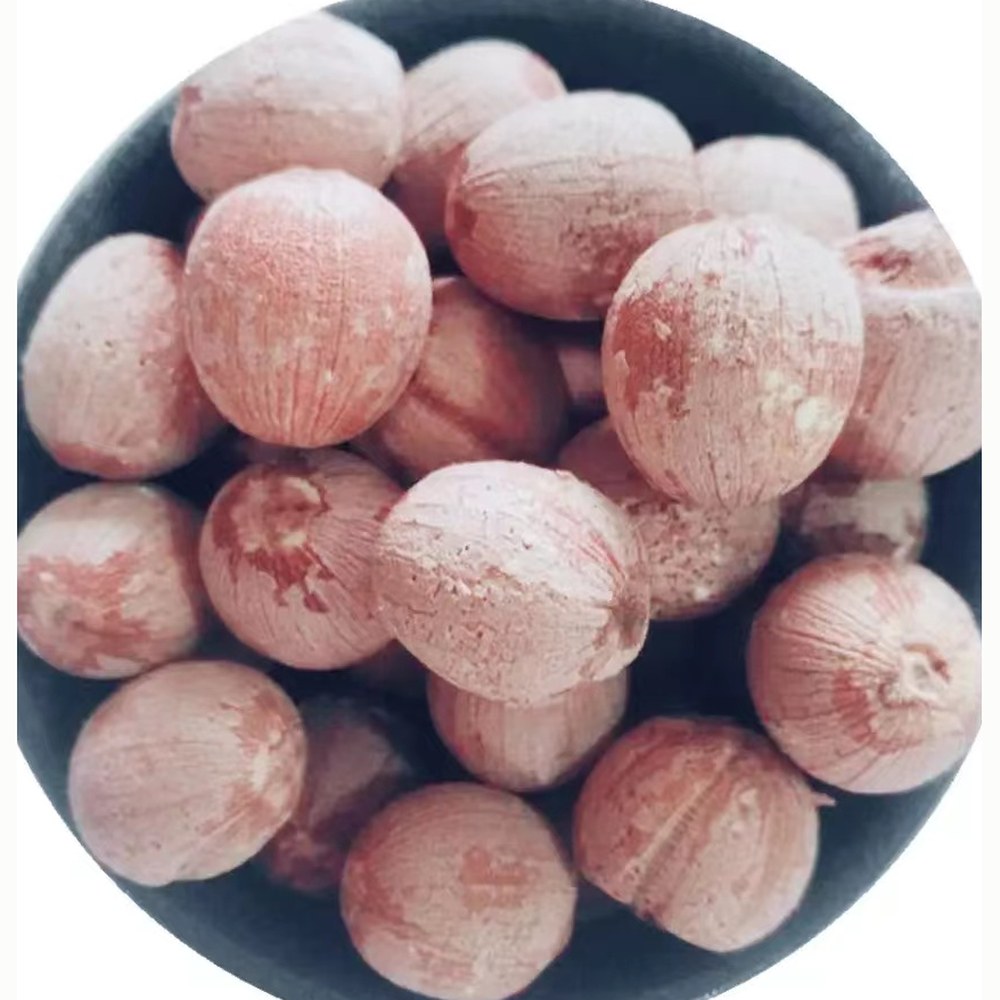
Round (Whole) Hunan Pearl Lotus Seeds
Whole, round, sulfur-free Hunan pearl lotus seeds — plump, creamy, and gently nourishing.
View specification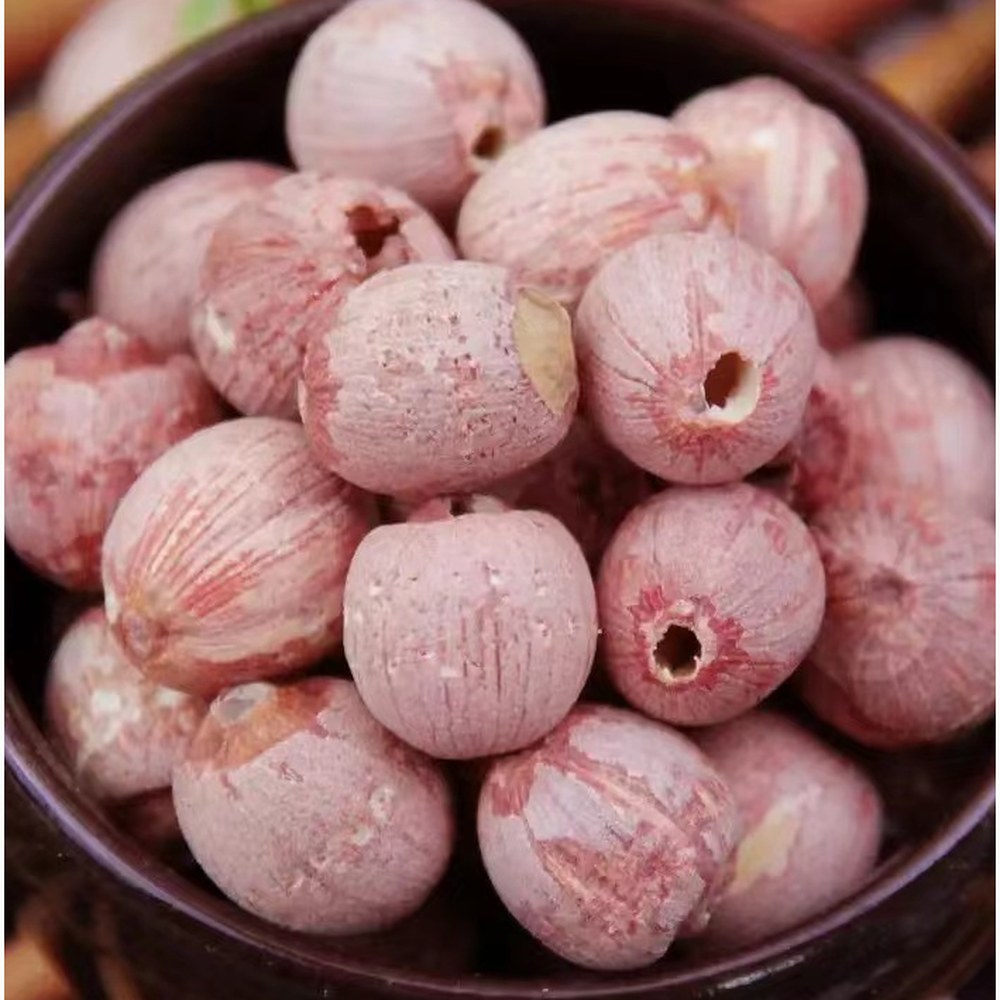
Coreless (Drilled) Pearl Lotus Seeds
Plumule removed for a clean, sweet, no-bitter taste — gently calming, ready to use.
View specification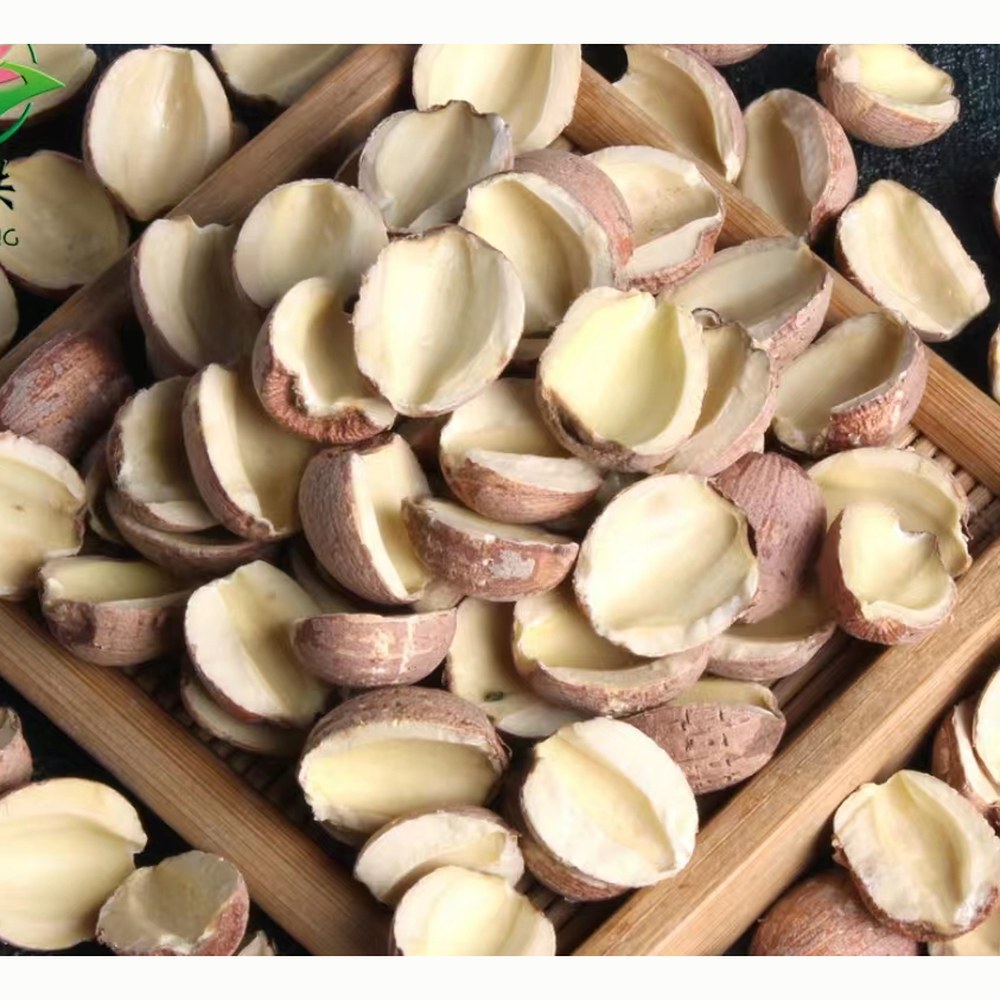
Split (Open) White Pearl Lotus
Split halves cook soft & fast — clean, sulfur-free white lotus for kitchens.
View specificationContinue reading
Need this turned into a quotation?
Send the destination market, the end product and the volume. You get back a grade specification, a testing plan and a document list — the same three things this article told you to ask for.
Request a quote