Lotus Seed Moisture and Storage: The Numbers That Decide a Shipment
In a commodity where appearance carries the price, moisture is the specification nobody photographs and everybody argues about. It decides weight, mould risk, aflatoxin risk, cooking behaviour and shelf life — and it is measurable in ten minutes with equipment that costs less than a pallet of product. If you buy one instrument for your quality process, buy the moisture meter.
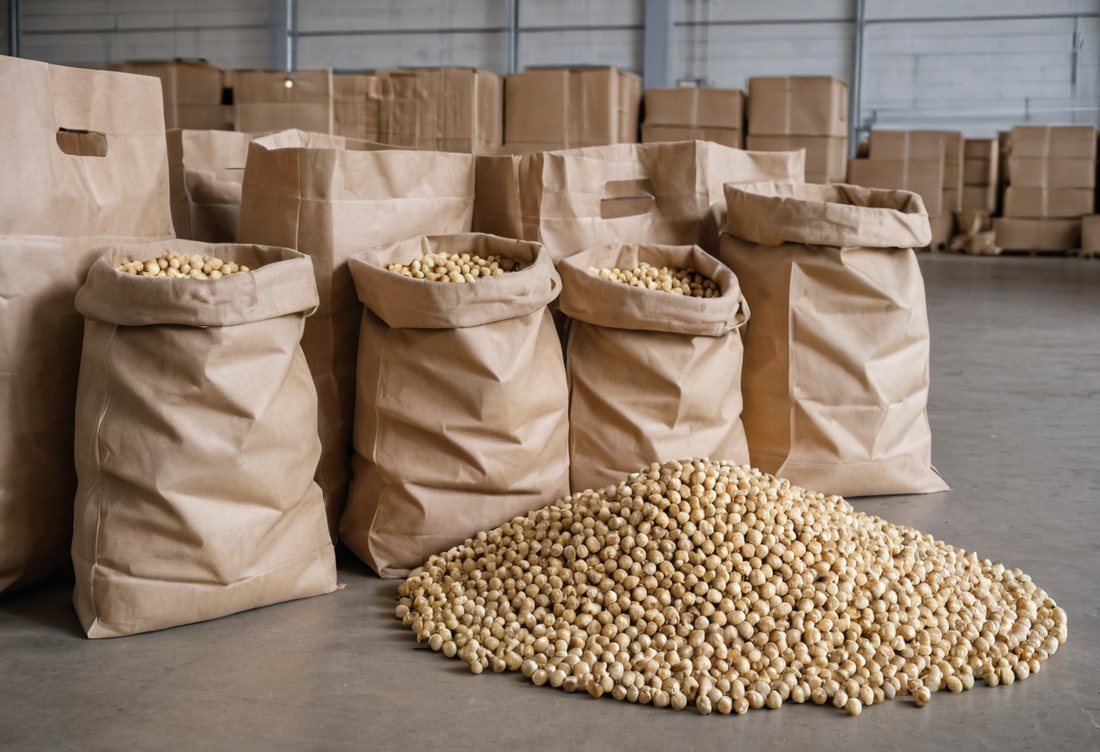
Key takeaways
- 1.Moisture drives weight loss, mould and aflatoxin risk simultaneously — it is the highest-leverage number in the contract.
- 2.Specify a target and a ceiling, not a single figure; and specify the test method, because methods disagree.
- 3.Sulphur dioxide residue and aflatoxin are separate tests with separate limits — they do not follow from moisture.
- 4.Cold storage is a contractual question: ask whether goods were cold-stored, at what temperature, and for how long.
- 5.Test on arrival, before releasing balance payment, and keep a sealed retention sample for both sides.
Why moisture is not a minor spec
Lotus seed is sold by weight and eaten after cooking. Moisture affects both ends of that sentence. On the weight side, a lot at 15 percent moisture contains roughly two percent more water than one at 13 percent; across a container that is real money, and it is money paid for water. On the cooking side, over-dry seed absorbs unevenly and stays chalky in the centre; over-wet seed clumps, discolours and can mould in transit.
There is a third consequence with regulatory teeth: moisture sets the water activity that mould needs. Get the water activity wrong in a warm container and you have created the conditions for Aspergillus growth — and with it, the aflatoxin question that can stop a shipment at the border.
Note: Moisture limits are destination-specific and product-specific. Do not copy a number from another buyer's contract; confirm the requirement with your importer of record or a testing body in the destination market.
How to measure so the number means something
Three methods are common and they do not give identical results: oven drying (the reference method), halogen or infrared moisture balances (fast, good for in-process control), and capacitance meters (fastest, most sensitive to packing density and temperature). If your contract says 「moisture ≤ 13%」 without naming a method, you have written an argument, not a specification.
Sampling matters as much as the instrument. Moisture varies between the top and bottom of a bag, and between bags in a stack. A single scoop from one bag tells you about that bag. A composite sample drawn from several bags at several depths, quartered down, tells you about the lot.
| Method | Speed | Best used for | Caution |
|---|---|---|---|
| Oven drying | Hours | Contract disputes, reference values | Slow; requires a lab or a calibrated oven |
| Halogen / infrared balance | Minutes | Incoming inspection, production control | Needs calibration against oven values for this product |
| Capacitance meter | Seconds | Rough screening in the field or warehouse | Sensitive to density, temperature and grain form |
Storage: what actually happens in a container
A container on a deck in the tropics can see internal temperatures well above ambient air, with large day-night swings that pump moisture in and out of the product. That cycling is more damaging than steady heat, because it moves water to the cooler surfaces — often the outer layer of the bag against the container wall, exactly where mould starts.
Four controls reduce the risk, all of them cheaper than a rejected container: a moisture ceiling agreed before shipment; barrier packaging (foil-lined or high-barrier film rather than plain woven bags for long sea legs); desiccant where the route warrants it; and pallet positioning away from container walls and doors.
- ·Short domestic storage: cool, dry, off the floor, away from walls, first-in-first-out rotation.
- ·Long storage or warm climates: refrigerated or air-conditioned storage, with temperature records you can request.
- ·Never store next to strong-smelling goods — lotus seed absorbs odours readily and the defect is irreversible.
- ·Fumigation is a treatment, not a fix: it kills insects, it does not remove moisture or mycotoxins.
Aflatoxin: the risk you cannot see
Aflatoxin is produced by Aspergillus species under warm, humid conditions, and it is not removed by washing, cooking or normal processing. Some destination markets run command inspection regimes on Chinese-origin lotus seed with hard action limits, which is why a batch-level certificate of analysis has become a standard request rather than a premium service.
Two practical points. First, a certificate that does not name the laboratory, the method and the sampling date is decoration. Second, contamination is not always uniform: a lot can pass on a composite sample and still contain a hot spot. Storage discipline upstream is the only real control.
Note: Aflatoxin limits, test methods and inspection regimes change. Confirm current requirements with the competent authority in your destination market before contracting — do not rely on a number found in a blog, including this one.
Writing the clause
- 1State moisture as target plus ceiling, e.g. "target 12.5%, maximum 13.5%, by oven method at 105°C".
- 2State the sampling protocol: number of bags, depth, composite and quartering, and who witnesses it.
- 3Set an acceptance/rejection rule with a tolerance band — for example a price adjustment between ceiling and a hard reject above it.
- 4Name the independent laboratory and require the report before balance payment release.
- 5Require sealed retention samples held by both parties for a fixed period after arrival.
- 6Add the storage warranty: cold-stored, odour-free, no fumigation residue above the agreed limit.
Diagnosing a complaint after arrival
When a customer reports mould or off-odour, the sequence matters. First, check container records — internal temperature if available, door-opening events, transit time. Second, inspect where the defect sits: an outer-layer pattern points to condensation, an inner pattern points to moisture at loading. Third, measure moisture on retention samples against arrival samples. Fourth, and only then, discuss responsibility.
Skipping to step four first is how supplier relationships end over a defect that neither side caused — a container that sweated on a cold night is nobody's fraud, but it is somebody's loss, and the only defence is documentation made before the dispute.
Grades, limits, tax treatment and inspection regimes change without notice. Confirm the current position for your product, origin and destination with your importer or the relevant authority before contracting — treat everything here as a starting point for verification.
Frequently asked questions
QWhat moisture content should dried lotus seed have?
QIs a moisture meter enough for incoming inspection?
QCan high moisture be fixed by re-drying?
QDoes fumigation solve an insect problem permanently?
QHow long can lotus seed be stored?
Products referenced in this guide
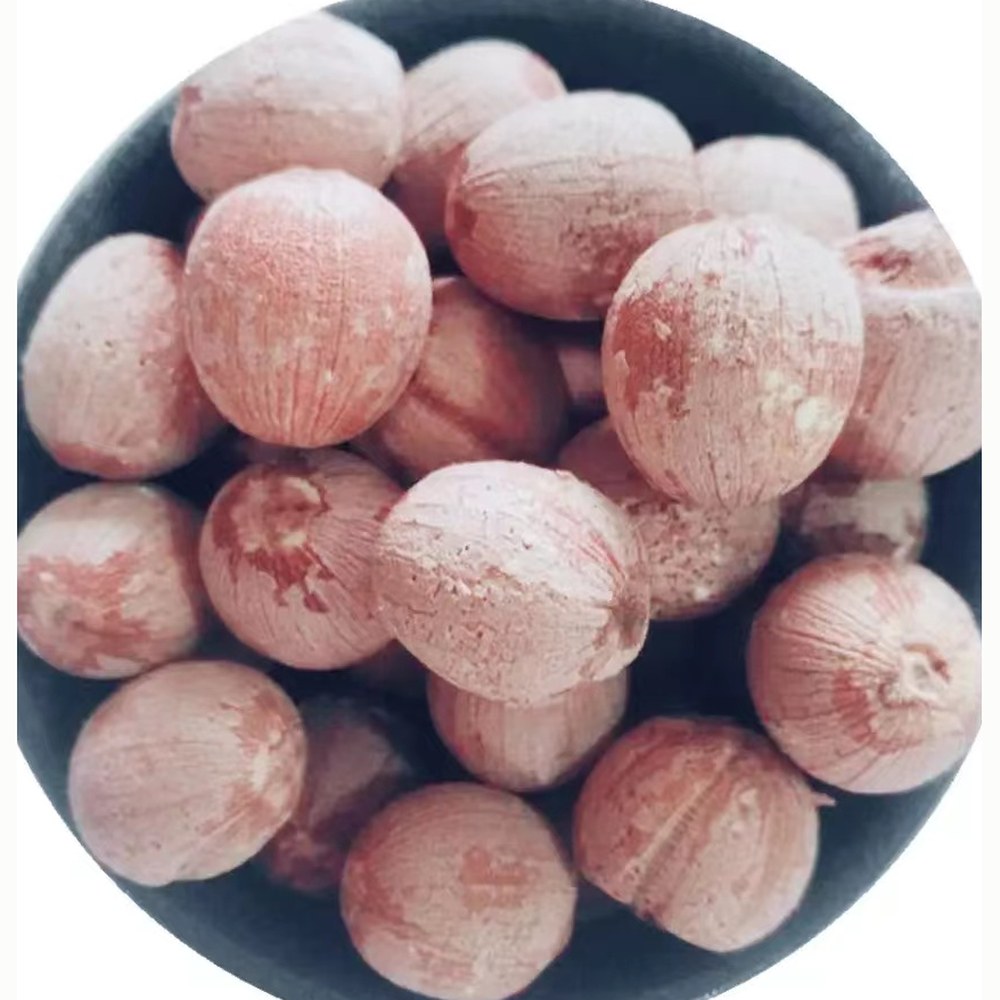
Round (Whole) Hunan Pearl Lotus Seeds
Whole, round, sulfur-free Hunan pearl lotus seeds — plump, creamy, and gently nourishing.
View specification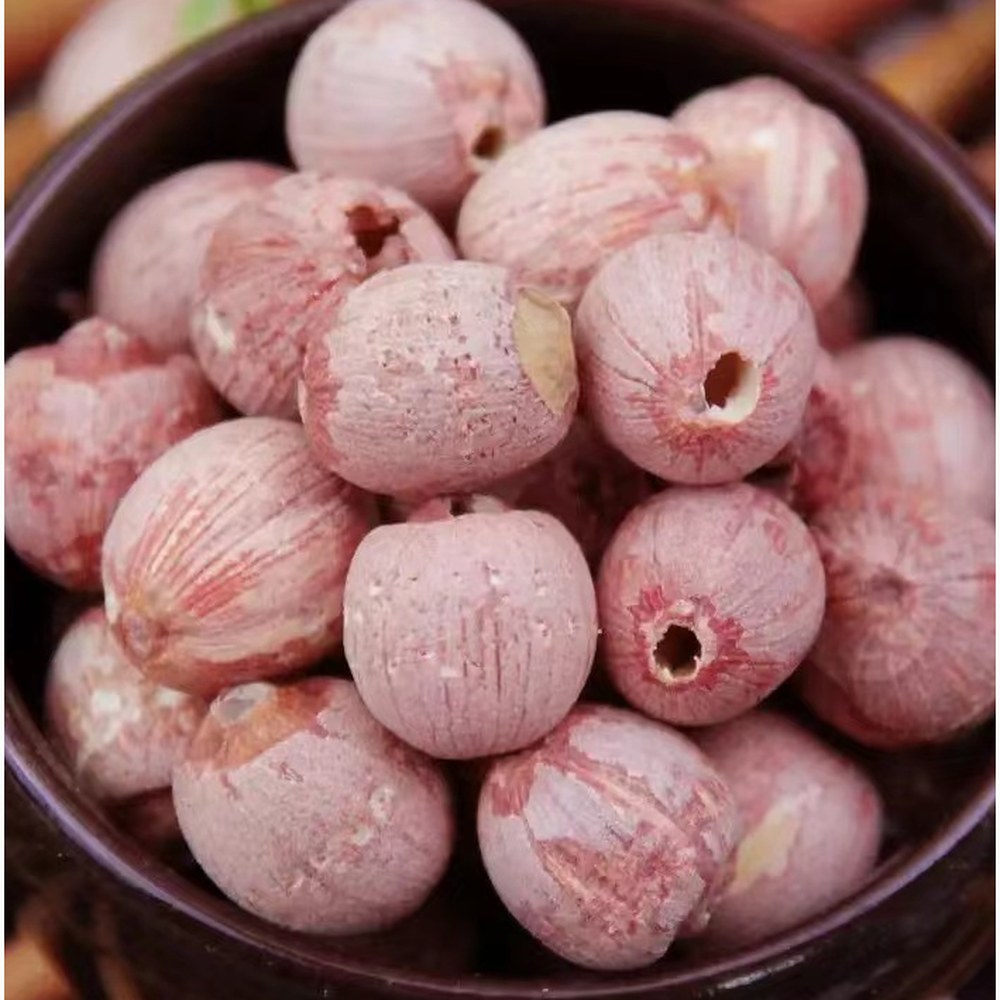
Coreless (Drilled) Pearl Lotus Seeds
Plumule removed for a clean, sweet, no-bitter taste — gently calming, ready to use.
View specification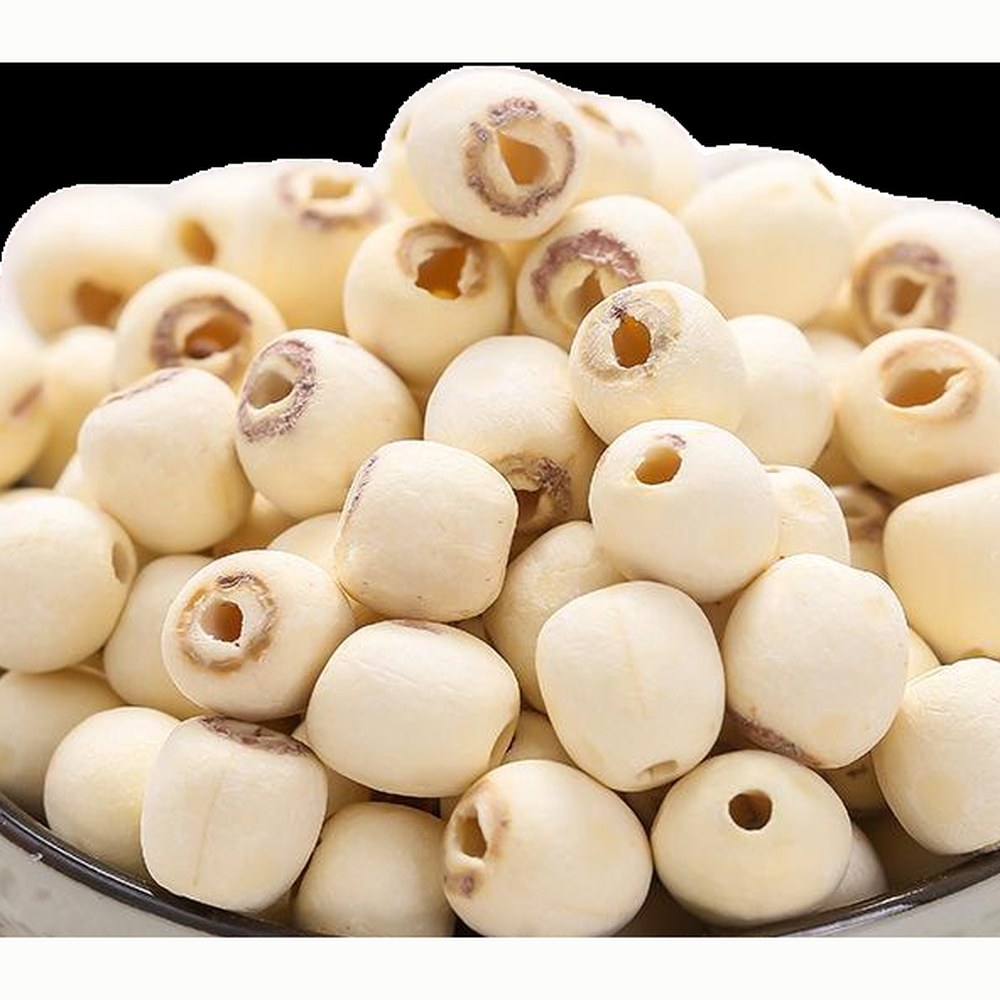
Grinding (Polished) White Lotus
Mechanically polished, milky-white and sulfur-free — the premium mooncake lotus.
View specificationContinue reading

Need this turned into a quotation?
Send the destination market, the end product and the volume. You get back a grade specification, a testing plan and a document list — the same three things this article told you to ask for.
Request a quote