Shipping Lotus Seeds: FCL or LCL, Dry or Reefer — and Why the Cheaper Box Is Often the Wrong One
The most expensive mistake in lotus seed logistics is not choosing the slower service. It is choosing the cheaper box for goods that cannot survive it.

Key takeaways
- 1.Container rain is the real enemy. Temperature swings across climate zones condense moisture onto the ceiling and it drips onto the cargo.
- 2.LCL adds handling at both ends and mixing with other cargo — including cargo that smells. Both are permanent risks to a dried product.
- 3.A reefer set to a moderate temperature is not only for frozen goods; it removes the daily temperature swing that causes condensation.
Start from the product, not the freight rate
Dried lotus seeds are hygroscopic: they exchange moisture with the air around them. That single property explains almost every logistics decision worth making. If the ambient air gets warmer, the seed releases moisture; if it cools, the seed absorbs it. In a closed steel box crossing several climate zones, both happen repeatedly.
So the question is not 'what is the cheapest way to move twenty tonnes'. It is 'what is the cheapest way to move twenty tonnes that arrives in the condition I sold it in'.
FCL versus LCL
| Factor | FCL | LCL |
|---|---|---|
| Handling | Loaded once, unloaded once | Handled at consolidation and deconsolidation, plus possibly transloaded |
| Cargo neighbours | Only your goods | Unknown — including odorous, wet or dusty cargo |
| Damage risk | Lower; pallets stay put | Higher; mixed cargo shifts and presses |
| Condensation | Still possible, but controllable with liners and desiccants | Harder to control; multiple openings mean multiple air exchanges |
| Best fit | Commercial volumes, one buyer, one destination | Trial orders and mixed-product first shipments |
Note: For a first order, LCL is often the right call despite the risk — because the point of a first order is to learn, and a five-tonne lesson is cheaper than a twenty-tonne one. Just insist on a lined container and no odorous co-load.
When a reefer is the correct choice for a dried product
It sounds wrong to refrigerate a dried good, but the purpose is not refrigeration. It is stability. A reefer holds a set temperature, which means the cargo does not experience the daily heating and cooling cycle of a dry container on deck. No swing, no condensation cycle, no container rain.
- ·Use a reefer when the routing crosses extreme climate bands, or when transit time is long enough for several cycles to accumulate.
- ·Use a reefer when the destination is humid and the cargo will sit at port before clearance.
- ·Set a moderate temperature rather than a cold one — the goal is to avoid the swing, not to chill the product.
- ·Do not use a reefer as a substitute for proper drying. If the lot is above specification at loading, no container saves it.
Container-condition checks before loading
- 1Smell the empty container. If there is a residual odour from the previous cargo, reject it — lotus seeds will take that smell and keep it.
- 2Check for holes, light leaks, and a functioning door seal. A pinhole is a moisture channel over thirty days.
- 3Confirm the container is food-grade and has not carried chemicals, fertiliser or animals.
- 4Line the container with a moisture barrier and use desiccants sized to the cargo volume and transit days.
- 5Photograph the container number, the seal number and the loaded stow — before the doors close.
- 6Record the loading moisture reading on the loading sheet, signed by the loading supervisor.
Note: A sealed container is a closed evidentiary universe. Once the doors shut, whatever happens inside is unattributable unless you photographed the condition before closing them.
Grades, limits, tax treatment and inspection regimes change without notice. Confirm the current position for your product, origin and destination with your importer or the relevant authority before contracting — treat everything here as a starting point for verification.
Frequently asked questions
QCan you ship LCL for a trial order?
QDo you arrange freight or is it FOB only?
QWhat moisture level should the goods be at loading?
Products referenced in this guide
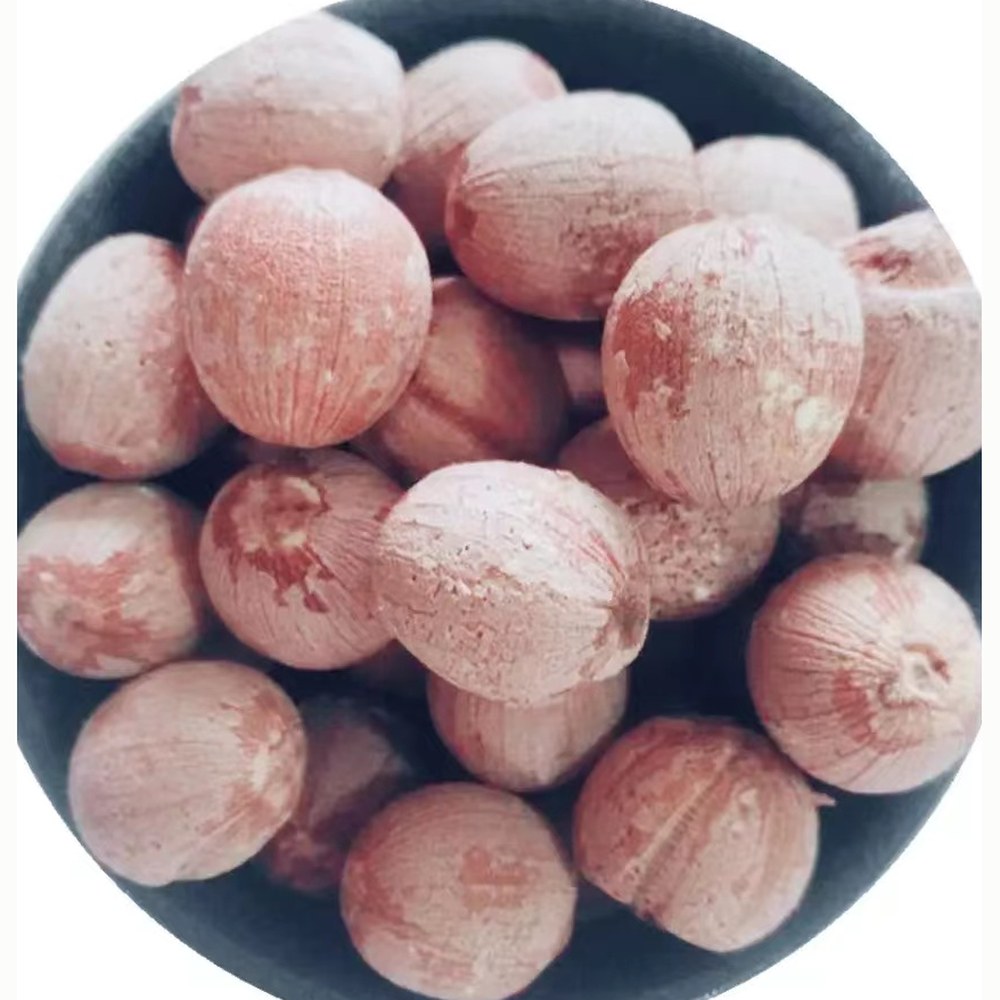
Round (Whole) Hunan Pearl Lotus Seeds
Whole, round, sulfur-free Hunan pearl lotus seeds — plump, creamy, and gently nourishing.
View specification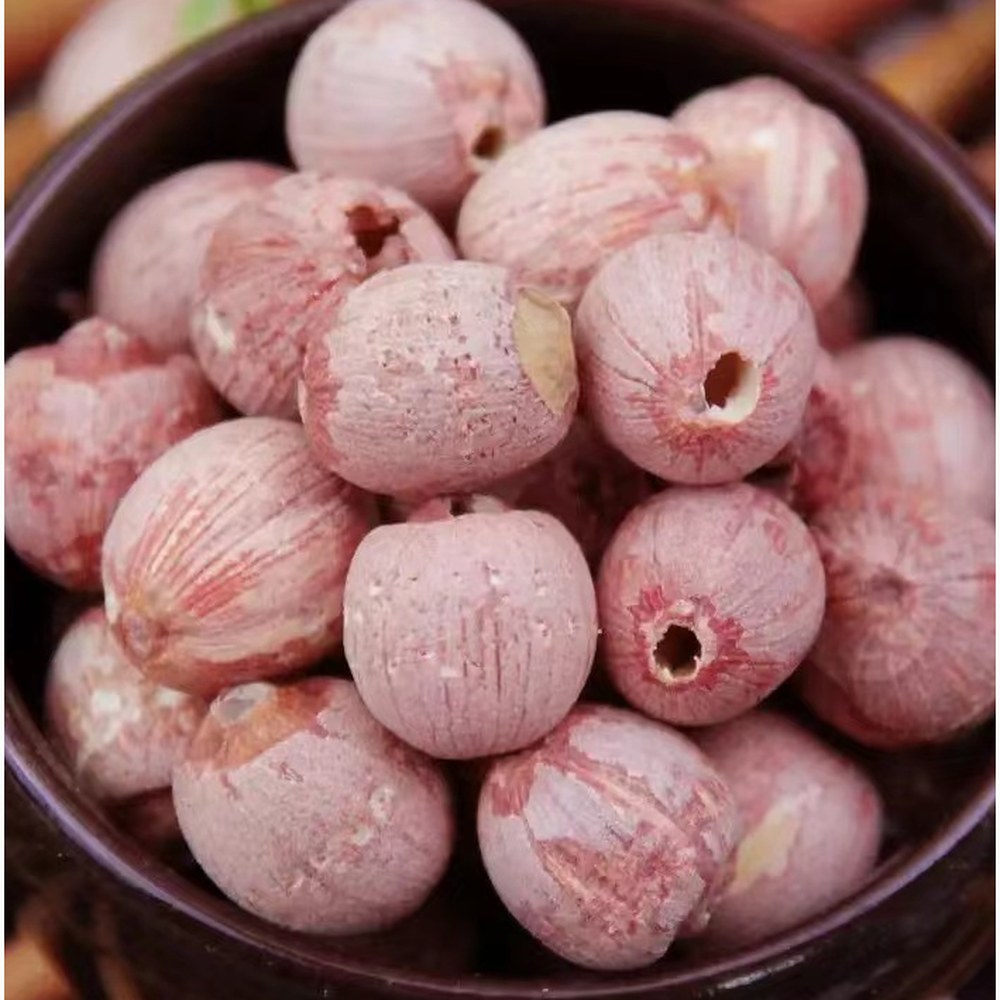
Coreless (Drilled) Pearl Lotus Seeds
Plumule removed for a clean, sweet, no-bitter taste — gently calming, ready to use.
View specification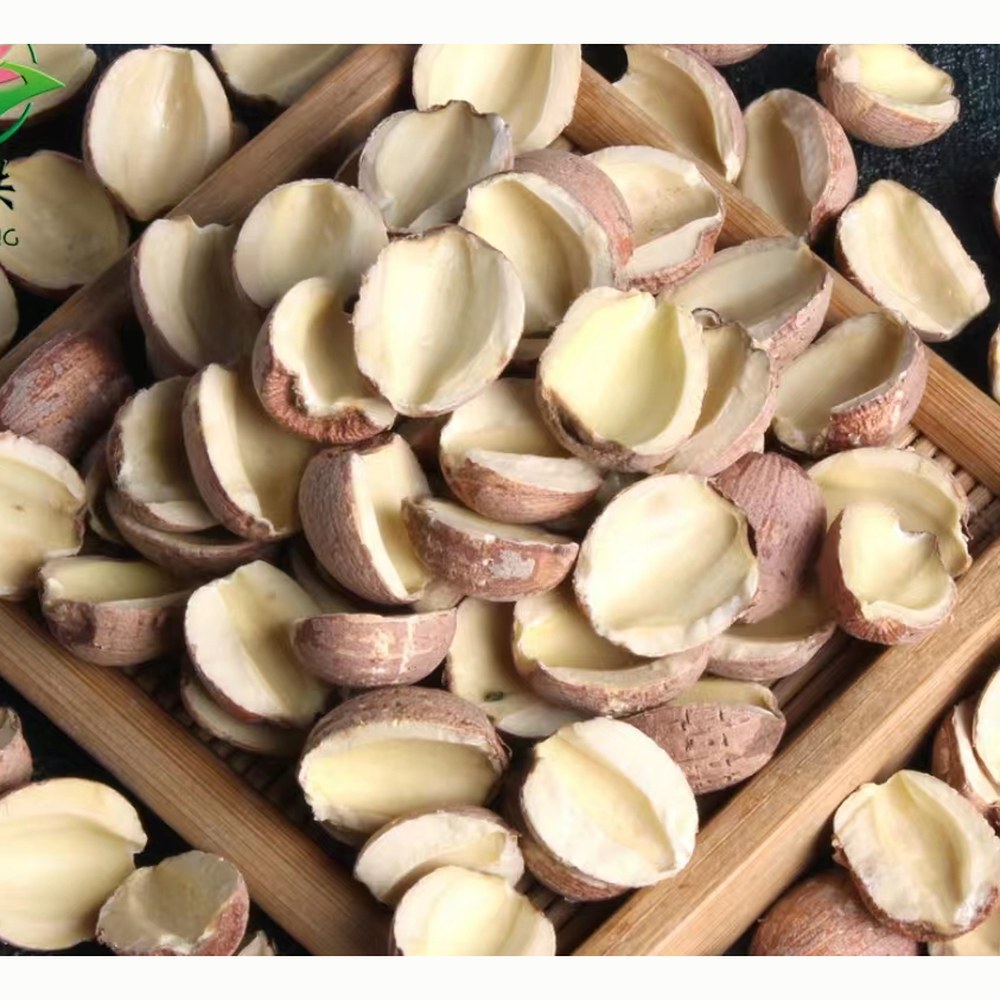
Split (Open) White Pearl Lotus
Split halves cook soft & fast — clean, sulfur-free white lotus for kitchens.
View specificationContinue reading

Need this turned into a quotation?
Send the destination market, the end product and the volume. You get back a grade specification, a testing plan and a document list — the same three things this article told you to ask for.
Request a quote