Lotus Seeds in Korea: Where They Fit, and What Buyers Compare Them To
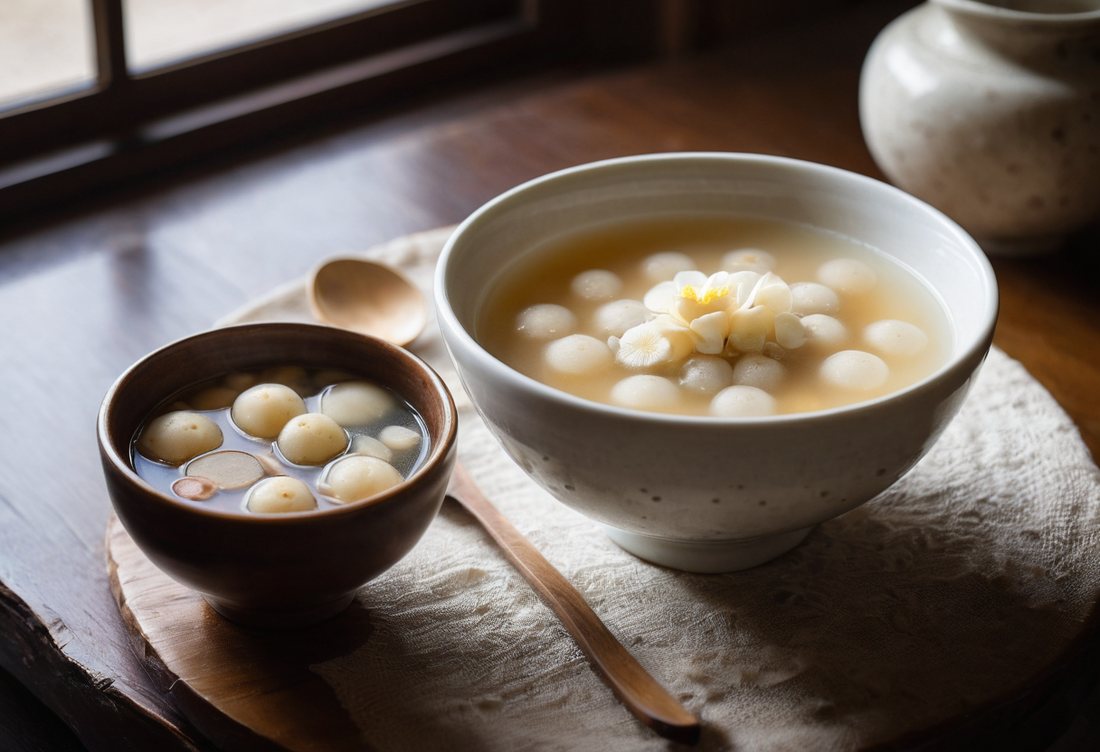
Korea is not a blank market. It has its own lotus cultivation, its own names for the product, and its own traditional uses. Entering it means answering a specific question: why should a buyer switch?
Key takeaways
- 1.Korea understands lotus. Do not open with an education pitch — open with a specification and a consistency record.
- 2.The winning segments are processed applications: fillings, beverages, and functional foods where uniformity matters more than provenance.
- 3.Import clearance runs through a registered importer and a food-safety declaration. Confirm the current requirement before quoting.
Start by admitting you are not the only source
Korea grows lotus and consumes it in its own culinary and medicinal traditions. Domestic supply exists, and any buyer you approach already has a supplier. So the pitch cannot be 'we have lotus seeds'. It has to be a specific answer to why your lot is more suitable for their process than what they have now.
In practice that answer is almost always one of three: tighter size uniformity for automated processing, better batch-to-batch consistency for a fixed formulation, or a cost structure the domestic route cannot match at the required spec.
Where Chinese Xianglian actually fits
| Segment | What the buyer cares about | How to position |
|---|---|---|
| Filling and confectionery | Paste yield, colour consistency, low defect rate | Split or cored grade with a per-lot paste-yield trial |
| Beverages and powders | Clean flavour, low microbial load, fine grind behaviour | Polished white or ground grade with microbiological data |
| Functional and wellness products | Traceable origin, consistent active profile, documentation | Whole cored grade with origin and per-batch COA |
| Food service and retail packs | Appearance, cooking behaviour, shelf stability | Round grade with tight grain-size distribution |
Documentation and clearance
- ·Import is done by a registered importer who files the food import declaration — the importer, not the exporter, carries this obligation.
- ·Labeling must be in Korean and must carry the importer's details; the exact panel requirements should be confirmed with the importer for your product category.
- ·Residue and contaminant requirements follow the destination food code — send the buyer your testing capability before they ask.
- ·Certificates of origin matter where preferential tariff treatment is being claimed; confirm the applicable treatment and the document format.
Note: Korean import requirements are revised regularly. Everything above should be verified with the importing party for the specific product form and HS code — do not rely on a general description.
A realistic entry sequence
- 1Identify which of the four segments your spec actually fits, and say so. A general 'we supply lotus seeds of all grades' reads as no specialisation.
- 2Lead with the number that buyer cares about — paste yield for fillings, microbial load for powders, size distribution for retail.
- 3Offer a comparison trial rather than a price list. Korean buyers will test; give them a protocol that makes the test fair.
- 4Confirm documentation requirements before the first shipment, in writing, through the importer.
Grades, limits, tax treatment and inspection regimes change without notice. Confirm the current position for your product, origin and destination with your importer or the relevant authority before contracting — treat everything here as a starting point for verification.
Frequently asked questions
QIs Korea a large market for Chinese lotus seeds?
QDo I need Korean-language labelling from the factory?
QWhat samples should I send?
Products referenced in this guide
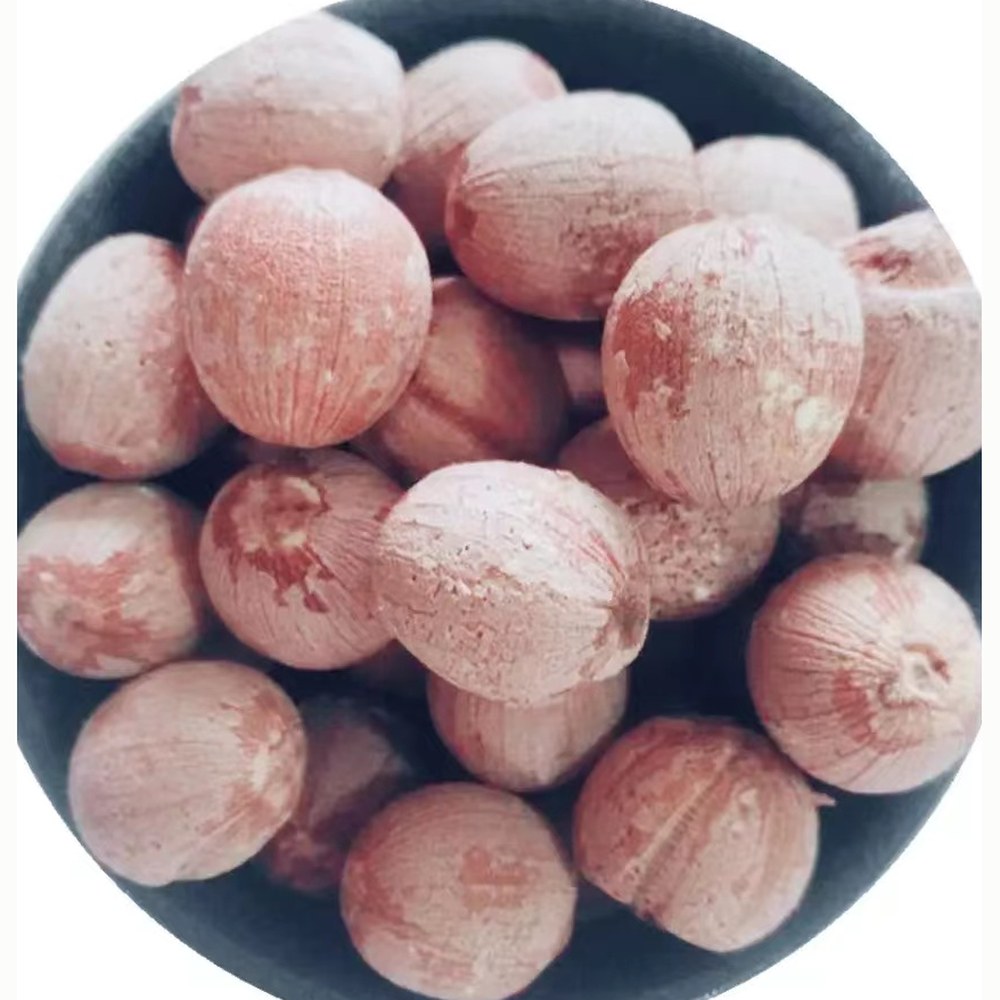
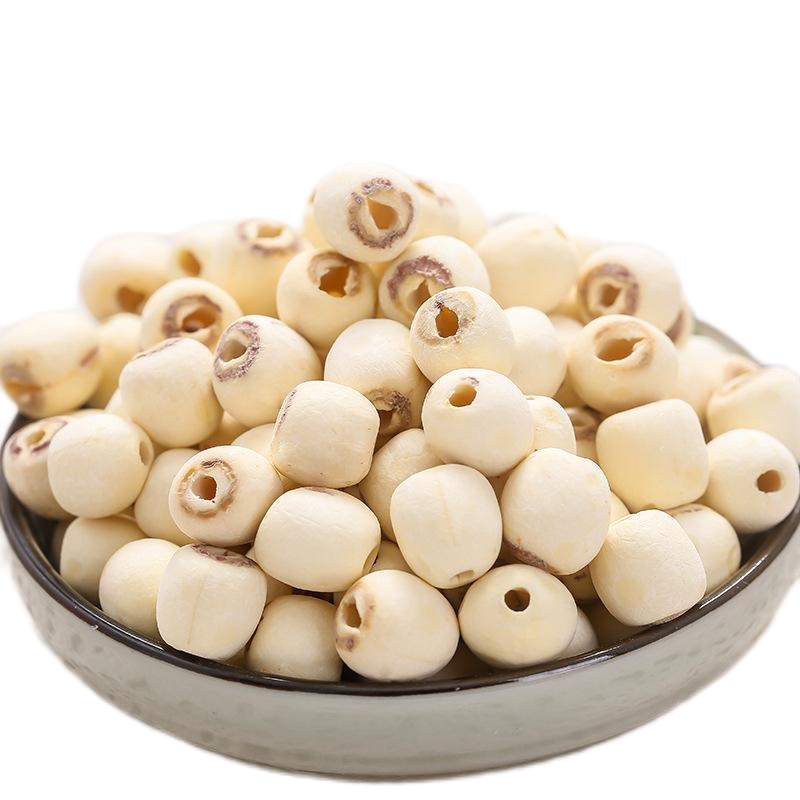
Round (Whole) Hunan Pearl Lotus Seeds
Whole, round, sulfur-free Hunan pearl lotus seeds — plump, creamy, and gently nourishing.
View specification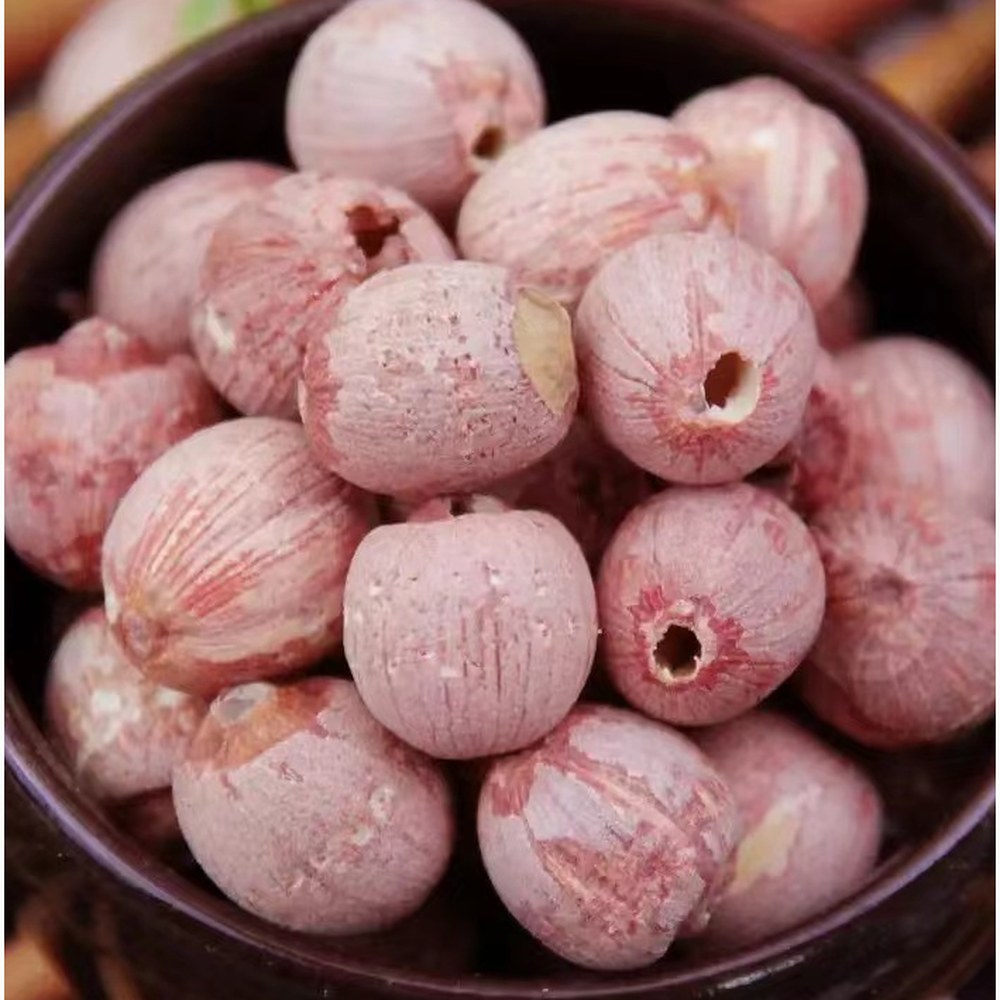
Coreless (Drilled) Pearl Lotus Seeds
Plumule removed for a clean, sweet, no-bitter taste — gently calming, ready to use.
View specification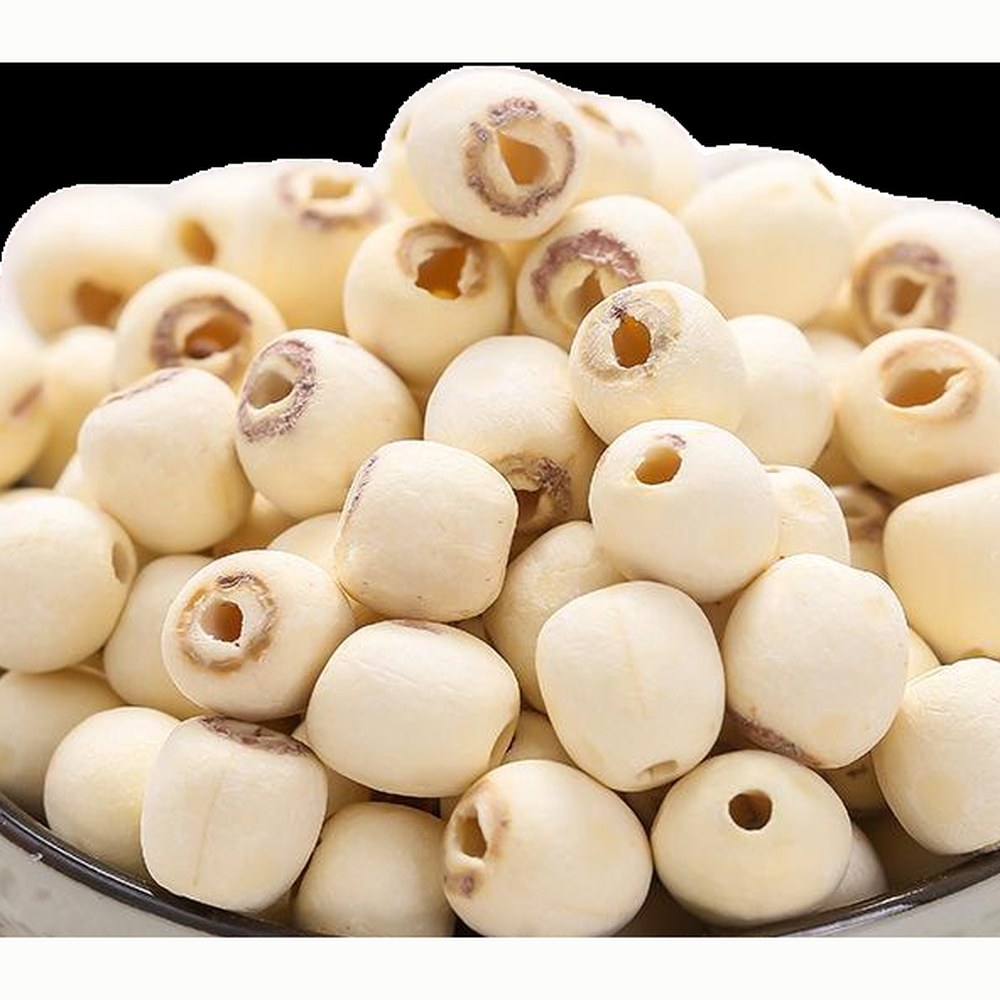
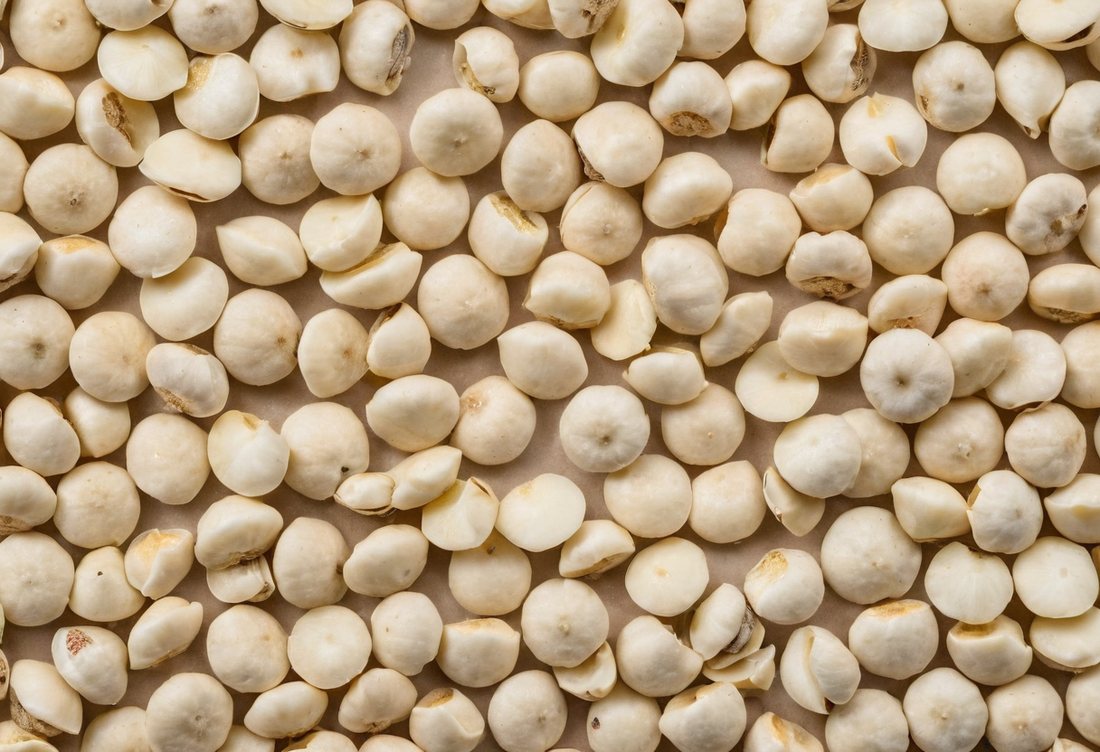
Grinding (Polished) White Lotus
Mechanically polished, milky-white and sulfur-free — the premium mooncake lotus.
View specificationContinue reading

Need this turned into a quotation?
Send the destination market, the end product and the volume. You get back a grade specification, a testing plan and a document list — the same three things this article told you to ask for.
Request a quote