Selling Lotus Seeds into Japan: The Hardest Market, and Why It Is Worth It
A Japanese order is small, slow, and specifies more than any other buyer will. It is also the reference that opens every other Asian market.
Key takeaways
- 1.Japan is a specification market. The winning move is a complete, precise specification sheet — not a lower price.
- 2.Chinese-origin lotus seeds have faced tightened command inspection on aflatoxin. Assume heightened scrutiny and plan testing before shipping.
- 3.Trading houses and importers sit between you and the end user. Court the importer, but understand the end user's spec is what actually decides.
The inspection regime you should assume
Japan monitors imported foods through a published monitoring plan, and can escalate a category to tightened command inspection when violations accumulate. Chinese-origin lotus seeds have, at points, been subject to command inspection against a 10 µg/kg aflatoxin threshold — a figure widely cited in the trade as a planning benchmark.
Command inspection means every consignment is tested and held until results clear, at the importer's cost. That changes the economics entirely: the cost is not the test fee, it is the days of demurrage and the working capital tied up while a container waits.
Note: Inspection status is published and changes. Confirm the current regime for your HS code with the importer before quoting a delivered price — a quote built on the wrong assumption is a loss you have already committed to.
What Japanese buyers specify that others don't
| Attribute | Typical Japanese treatment | Why it matters to you |
|---|---|---|
| Grain size | Expressed as a measured distribution, not a grade name | You need sieving data per lot, not a verbal promise |
| Defect tolerance | Numerical limits per defect class — broken, discoloured, foreign matter | A single ratio cannot cover it; you need a counting method |
| Moisture | Tight upper bound with a specified measurement method | Method disagreement is a real dispute source |
| Packaging | Specified inner liner, unit weight, carton strength | Retrofitting packaging after production is expensive |
| Documentation | Complete and internally consistent, checked line by line | One inconsistency can hold the whole consignment |
Note: The pattern to internalise: Japan replaces adjectives with numbers. 'Good quality' becomes 'broken grains below 2%, measured by this method, on this sample size'.
The channel structure
- ·Trading houses (shosha) and specialist food importers handle most inbound food. They carry the inspection burden and the working capital.
- ·They buy against an end-user specification. The specification originates with the manufacturer, not with the importer.
- ·Small first orders are normal and are not an insult — they are a qualification step. Volume follows a clean record, not a persuasive email.
- ·Relationships are long. A supplier who passes two or three seasons without an incident becomes difficult to displace.
How to prepare for a first Japanese enquiry
- 1Build a one-page specification sheet with numbers for size, moisture, defect ratios and packing — with the measurement method named for each.
- 2Have recent aflatoxin results per batch available, not a single 'best' report.
- 3Confirm the current inspection regime for your HS code before discussing price.
- 4Prepare samples in the exact packing unit the specification requires — sample presentation is part of the evaluation.
- 5Expect the first order to be small and the documentation review to be long. Price it as a qualification cost, not as a lost margin.
Grades, limits, tax treatment and inspection regimes change without notice. Confirm the current position for your product, origin and destination with your importer or the relevant authority before contracting — treat everything here as a starting point for verification.
Frequently asked questions
QDo you currently ship to Japan?
QIs Japan price-sensitive?
QWhat is the most common reason a first Japanese order fails?
Products referenced in this guide
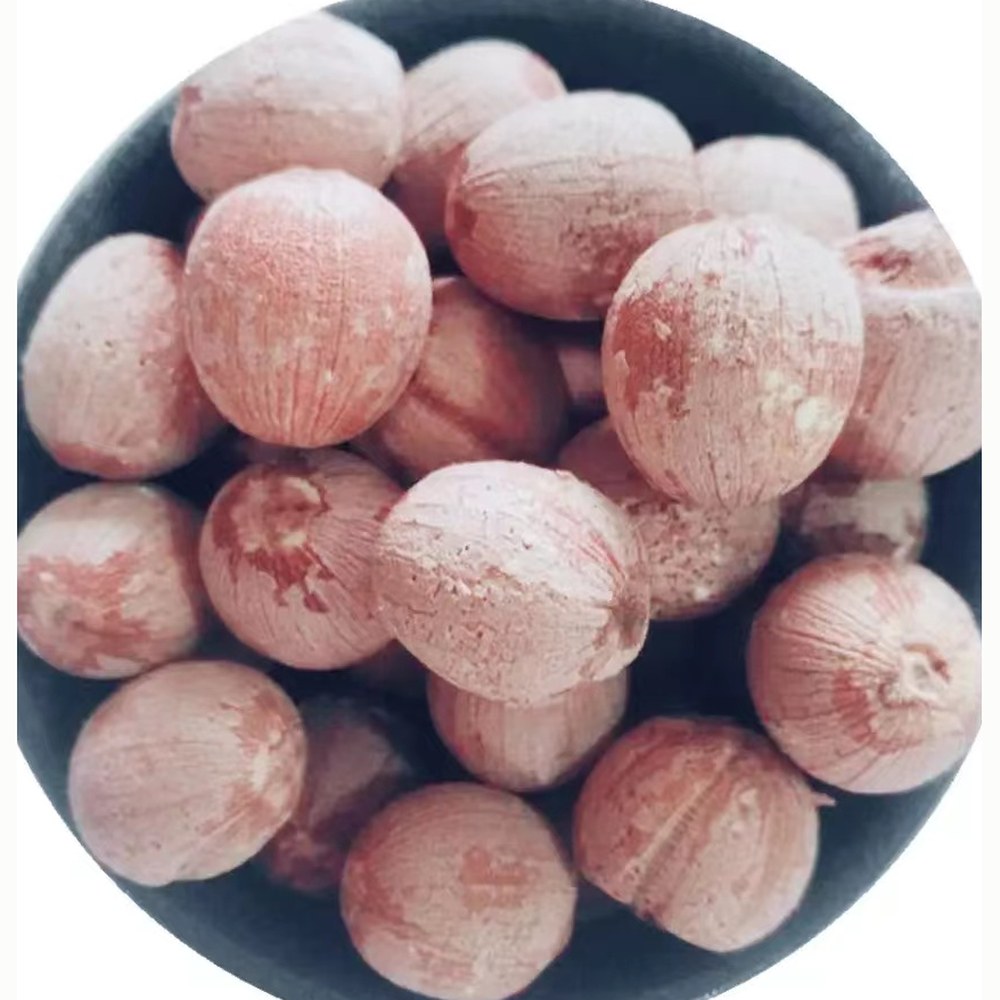
Round (Whole) Hunan Pearl Lotus Seeds
Whole, round, sulfur-free Hunan pearl lotus seeds — plump, creamy, and gently nourishing.
View specification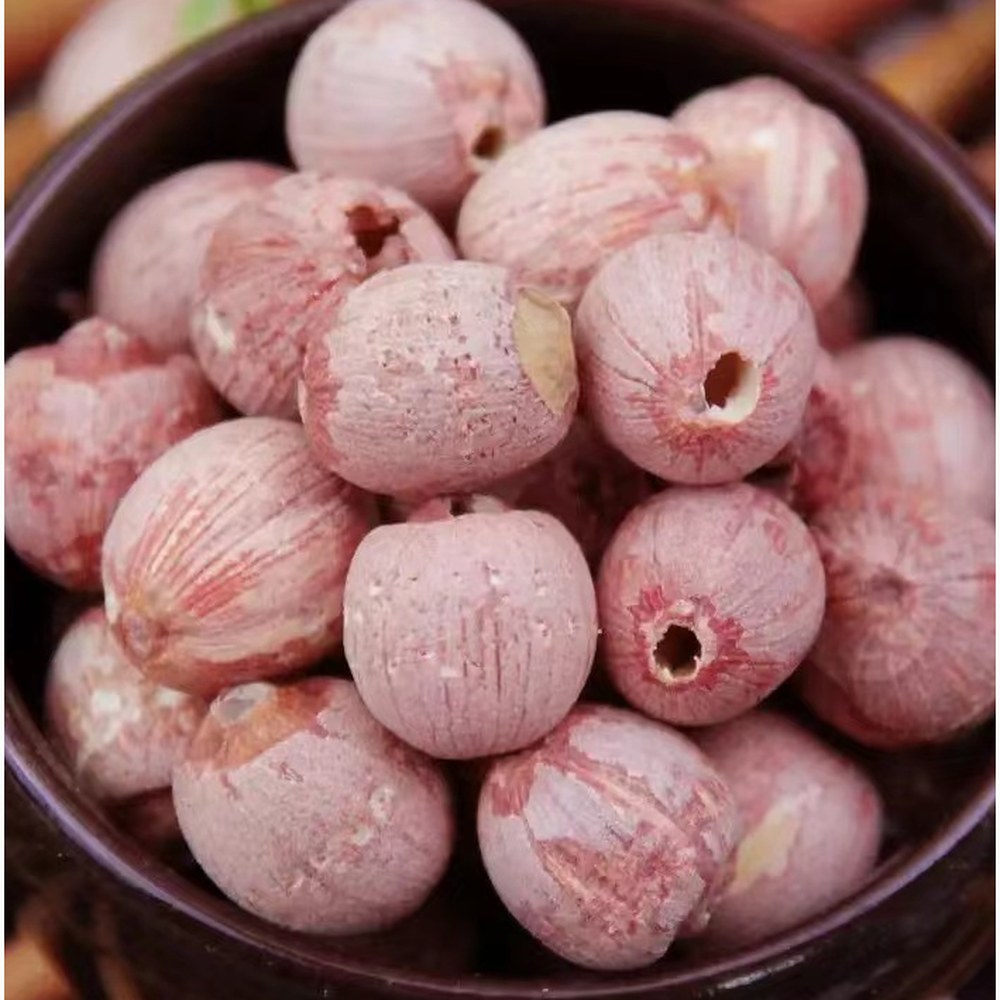
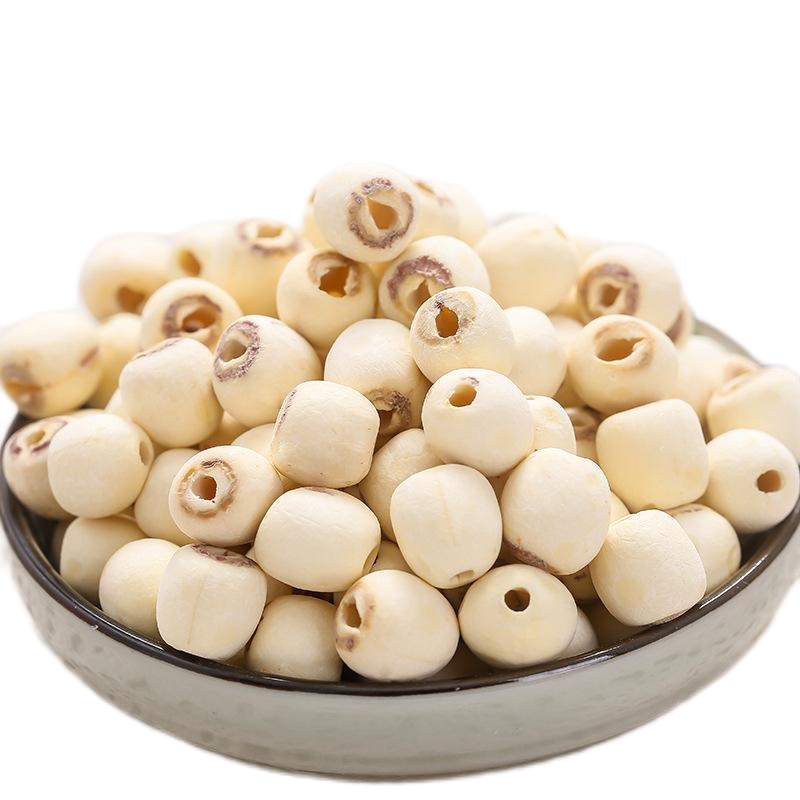
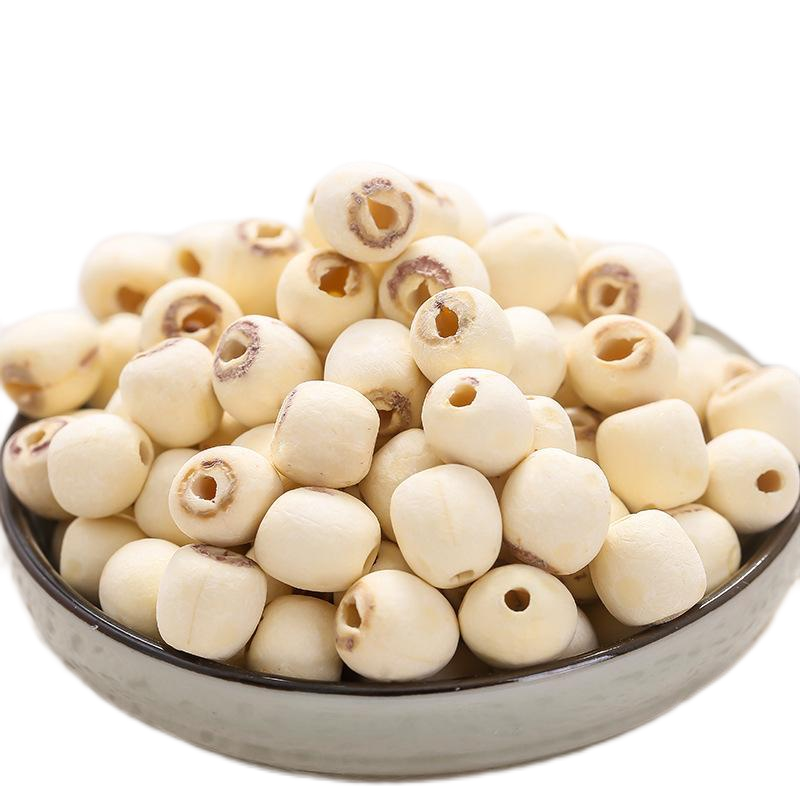
Coreless (Drilled) Pearl Lotus Seeds
Plumule removed for a clean, sweet, no-bitter taste — gently calming, ready to use.
View specification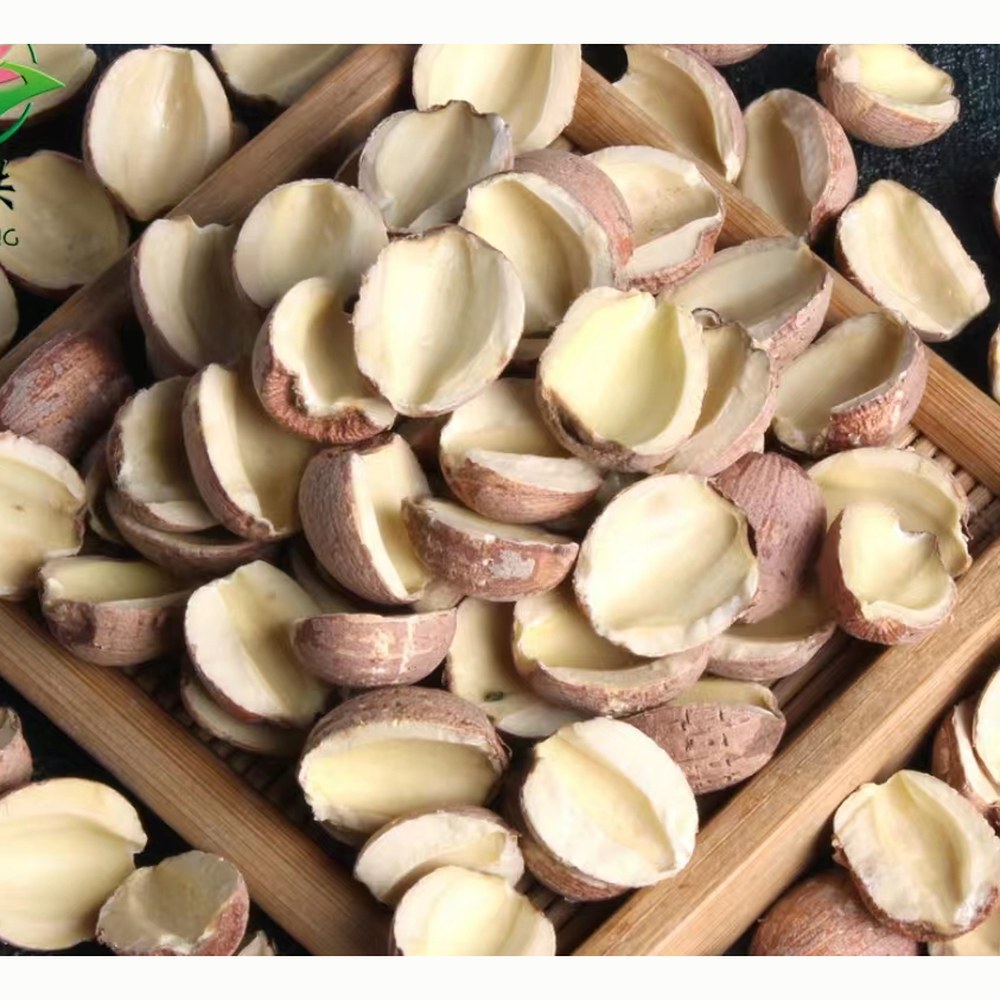
Split (Open) White Pearl Lotus
Split halves cook soft & fast — clean, sulfur-free white lotus for kitchens.
View specificationContinue reading

Need this turned into a quotation?
Send the destination market, the end product and the volume. You get back a grade specification, a testing plan and a document list — the same three things this article told you to ask for.
Request a quote