Lotus Seeds into the EU: What Changes When You Cross That Border
Most EU rejections are not about the seed. They are about a label, a residue limit, or a document that named one thing and described another.
Key takeaways
- 1.The EU sets the rules but member states enforce them; treatment can differ at Rotterdam and at a smaller port.
- 2.Contaminant limits apply to the food as placed on the market — the calculation basis must be confirmed for dried versus processed states.
- 3.Labelling is the single most common avoidable failure, and it is fixable before production if you ask for the artwork review.
One rulebook, twenty-seven enforcement practices
Food law is harmonised at EU level, but the border inspection that applies to a consignment is carried out by the member state of entry. That produces real variation in how documents are read, how often physical checks occur, and how strictly labelling is scrutinised.
Practically, this means your importer's choice of entry point is part of your risk profile. A buyer routing through a large, experienced port with an established category practice will have a smoother path than one routing through a small port where your product is unfamiliar.
Note: Requirements and control frequencies are revised regularly at EU level and can also change at short notice for specific origins. Confirm the current position for your product and origin with your importer before shipping.
The contaminant questions that actually come up
| Area | What the buyer will ask | What you need ready |
|---|---|---|
| Mycotoxins | Aflatoxin result against the applicable limit for this food category | Per-batch accredited-lab report tied to the lot number |
| Pesticides | Whether the residue panel covers the compounds on the EU database for this category | A statement of which panel was tested, and the lab's accreditation scope |
| Contaminants | Heavy metals and process contaminants where applicable | Periodic surveillance results plus origin documentation |
| Microbiology | Whether the product is treated as ready-to-eat or requiring further processing | Clarity on the intended use, which changes the applicable criteria |
Labelling: the avoidable failure
- ·Language: required in the language(s) of the member state of sale, which is why the importer's market matters before artwork is approved.
- ·Importer identification: an EU-established operator must be named on the pack. Exporters cannot appear as the responsible party.
- ·Allergens: lotus seed is not a listed allergen, but the pack must still be accurate about what is in it — including any processing aids that require declaration.
- ·Nutrition declaration and net quantity: required for most pre-packed retail formats; bulk industrial packs follow different rules.
- ·Artwork review before printing: the single cheapest control in the entire export process.
Note: Retail packs printed with the wrong panel cannot be fixed at the border. Bulk sacks with a compliant label tucked inside the container can be relabelled by the importer. If a first order is a trial, ship bulk.
Building an EU-ready document pack
- 1Establish the product category and intended use in writing with the importer, since both determine which limits apply.
- 2Agree the residue panel against the EU database for that category, not a generic multi-residue screen.
- 3Test per batch through an accredited laboratory, and keep reports tied to lot numbers.
- 4Have the labelling artwork reviewed by the importer before the print run, in writing.
- 5Keep origin, processing and certification documents in one pack that travels with the commercial invoice.
Grades, limits, tax treatment and inspection regimes change without notice. Confirm the current position for your product, origin and destination with your importer or the relevant authority before contracting — treat everything here as a starting point for verification.
Frequently asked questions
QDoes lotus seed face any specific EU border measure?
QCan you supply EU-compliant retail packaging?
QIs the EU worth the compliance cost?
Products referenced in this guide
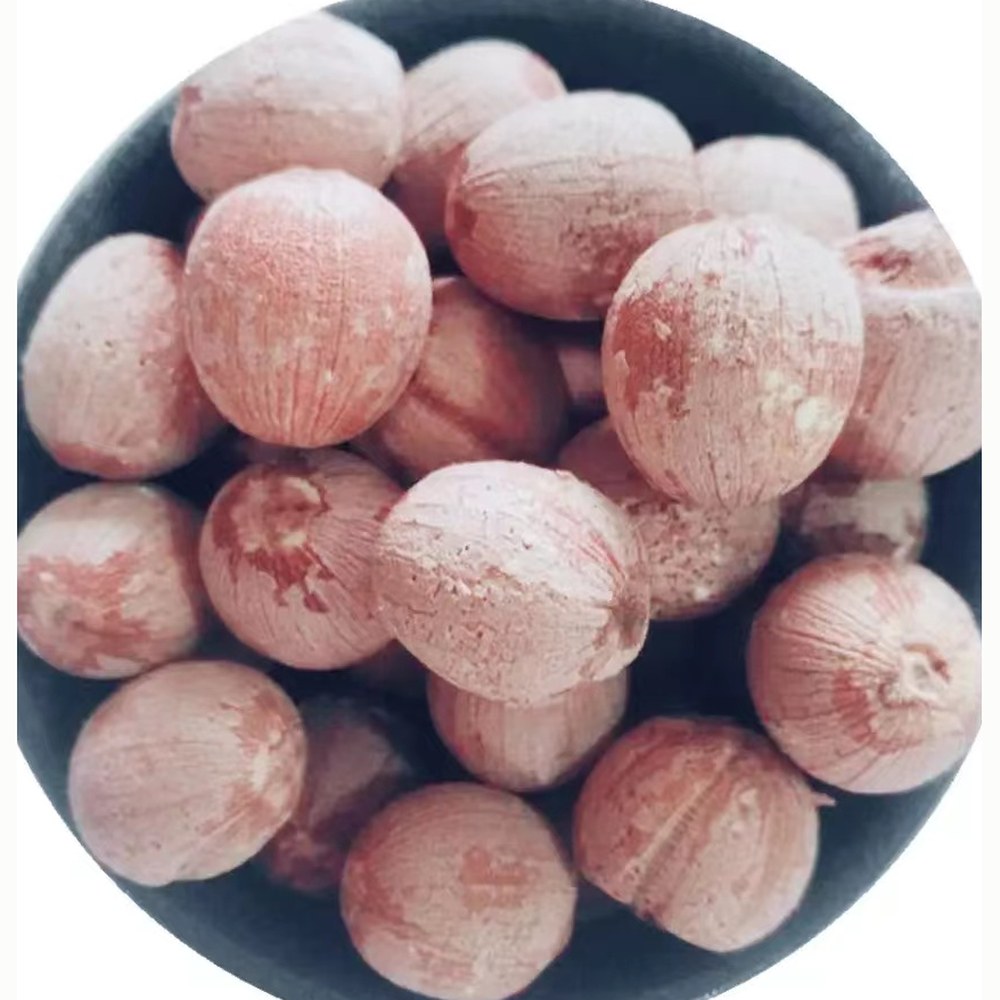
Round (Whole) Hunan Pearl Lotus Seeds
Whole, round, sulfur-free Hunan pearl lotus seeds — plump, creamy, and gently nourishing.
View specification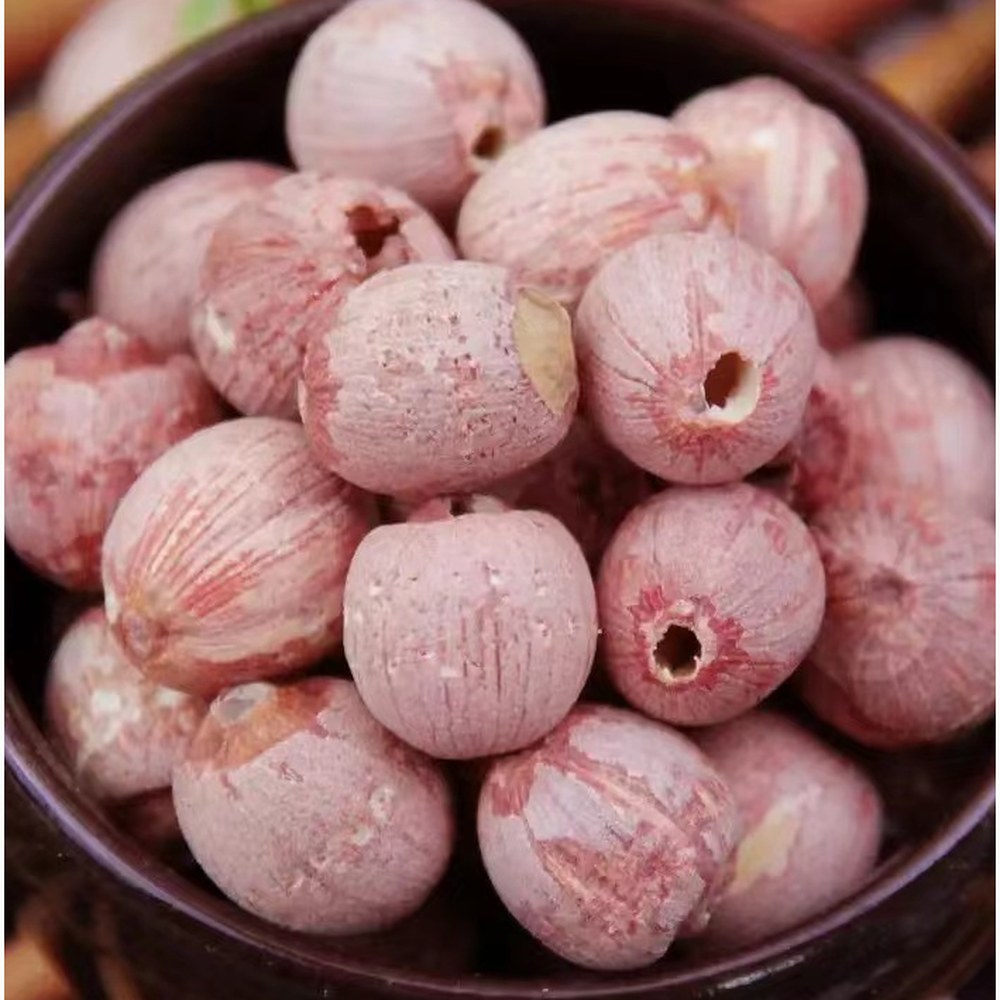
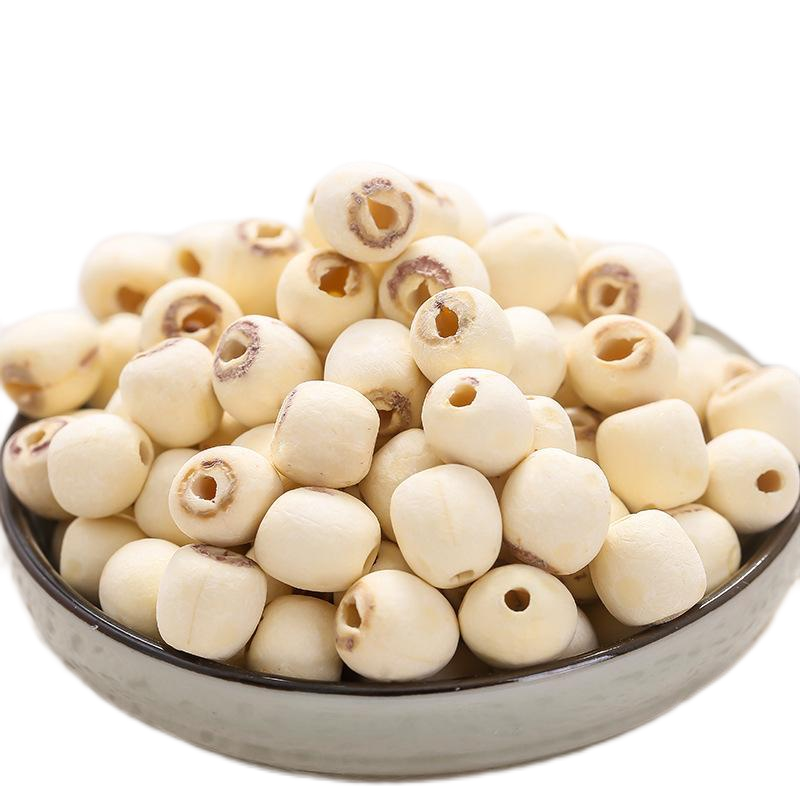
Coreless (Drilled) Pearl Lotus Seeds
Plumule removed for a clean, sweet, no-bitter taste — gently calming, ready to use.
View specification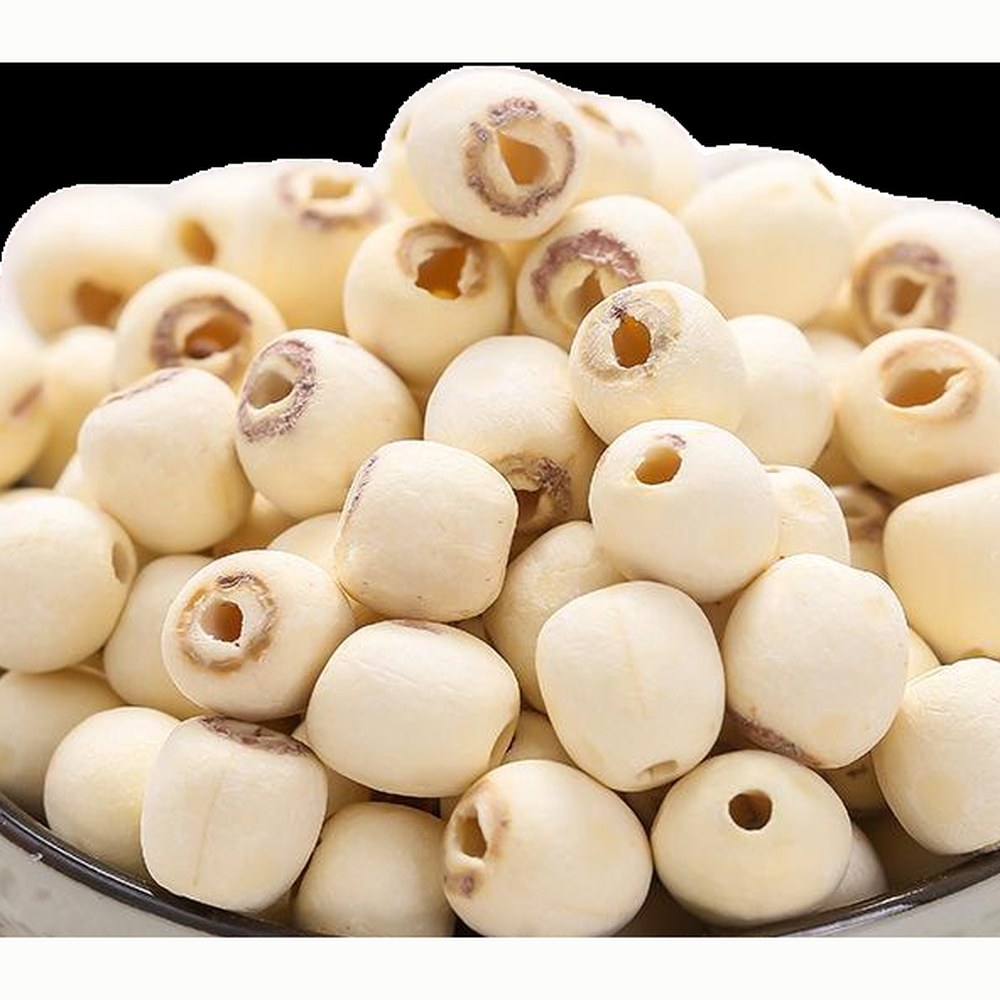
Grinding (Polished) White Lotus
Mechanically polished, milky-white and sulfur-free — the premium mooncake lotus.
View specificationContinue reading

Need this turned into a quotation?
Send the destination market, the end product and the volume. You get back a grade specification, a testing plan and a document list — the same three things this article told you to ask for.
Request a quote