Aflatoxin, Heavy Metals and Residues in Lotus Seeds: What Actually Gets Tested
A failed laboratory result is almost never a laboratory problem. It is a storage problem, a sampling problem, or a clause that was never written.
Key takeaways
- 1.Aflatoxin is a storage-and-humidity failure, not a farming failure — so the fix sits with whoever controls the warehouse.
- 2.Sampling error dominates. A 20-tonne lot tested from one grab sample tells you almost nothing.
- 3.Name the panel, the limit and the laboratory in the contract. An open-ended 'certificate of analysis' protects nobody.
Why lotus seeds fail — the three real causes
Lotus seeds are a starchy, low-acid, high-moisture-sensitive food. That combination makes them a favourable substrate for mould once moisture activity rises, and it makes residue compliance dependent on how the crop was managed months before you saw a sample.
In practice, failures cluster into three groups: aflatoxin from post-harvest moisture and warm storage; pesticide residues from field practice; and heavy metals from soil and water in the growing area. Each has a different owner and a different fix.
| Contaminant | Root cause | Who controls it | Practical mitigation |
|---|---|---|---|
| Aflatoxin (AFB1, total) | Moisture above safe range plus warm, humid storage | Warehouse / consolidator | Dry to spec before bagging; cool dry storage; per-batch test |
| Pesticide residues | Field application and pre-harvest interval | Grower / cooperative | Specify the residue panel at order stage; test against the destination MRL list |
| Heavy metals (Pb, Cd, As) | Soil and irrigation water in the growing area | Region — not fixable per lot | Origin documentation and periodic surveillance testing |
| Sulphur dioxide | Bleaching or fumigation during processing | Processor | Buy sulphur-free process; require a声明 and a test |
Note: Only the first and fourth rows are fixable at the shipment level. If a heavy-metal result fails, no amount of negotiation saves that lot — the region is what it is.
Reading a limit correctly
A number without a scope is not a limit. When a buyer says '10 ppb', three questions decide whether that is achievable: which compound (AFB1 alone, or the sum of AFB1+B1+G1+G2), which matrix (dried seed, paste, or powder), and which sampling plan.
Japan has applied tightened command inspection to Chinese-origin lotus seeds against a 10 µg/kg threshold — a well-known reference point in the trade. That precedent matters less for its exact number than for what it demonstrates: destination authorities treat this category as a monitored one, and a single failing exporter can trigger system-wide scrutiny.
Note: Limits and inspection regimes change without much notice. Always confirm current thresholds with your importer or the destination authority before writing a number into a contract — and cite the source and date in the contract itself.
Sampling: where most disputes are actually decided
- 1Fix the sampling plan before the goods are packed — number of bags, number of pallets, whether sampling is random or systematic.
- 2Increment samples must come from different positions in the lot, not from the top layer of one pallet.
- 3Composite, quarter down, and split into sealed laboratory samples — one to the lab, one retained by each party.
- 4Record bag and pallet numbers on the sampling sheet, and photograph the sealed samples with the seal numbers visible.
- 5Name an agreed third-party laboratory in the contract, plus a referee laboratory for a disputed result.
Note: A large lot tested from a single grab sample will pass or fail on luck. If the sampling plan is not written down, you have effectively agreed to decide the result by chance.
Contract clauses that assign the risk correctly
- ·Specification clause: name the compound, the limit, the matrix and the test method standard.
- ·Pre-shipment clause: the seller's COA must be issued no earlier than a set number of days before loading, tied to the specific lot number.
- ·Rejection clause: define what happens on a failed pre-shipment test — replacement, re-drying, or cancellation, and who pays the testing and storage.
- ·Retention clause: samples kept for the batch shelf life plus six months.
- ·Currency of standards clause: the applicable limit is the one in force at the date of shipment, and the seller is notified of changes.
What to ask before you place the order
- ·Which batch will my order be drawn from, and when was it dried?
- ·Can I see the last three batches' aflatoxin results, not just the best one?
- ·Is the warehouse air-conditioned, and is stock rotated first-in-first-out?
- ·Which laboratory do you normally use, and is it accredited for this matrix?
Grades, limits, tax treatment and inspection regimes change without notice. Confirm the current position for your product, origin and destination with your importer or the relevant authority before contracting — treat everything here as a starting point for verification.
Frequently asked questions
QDo you test every batch for aflatoxin?
QWhich residue panel should I specify?
QWhat happens if the destination test contradicts our pre-shipment test?
QCan you supply a sulphur-free declaration?
Products referenced in this guide
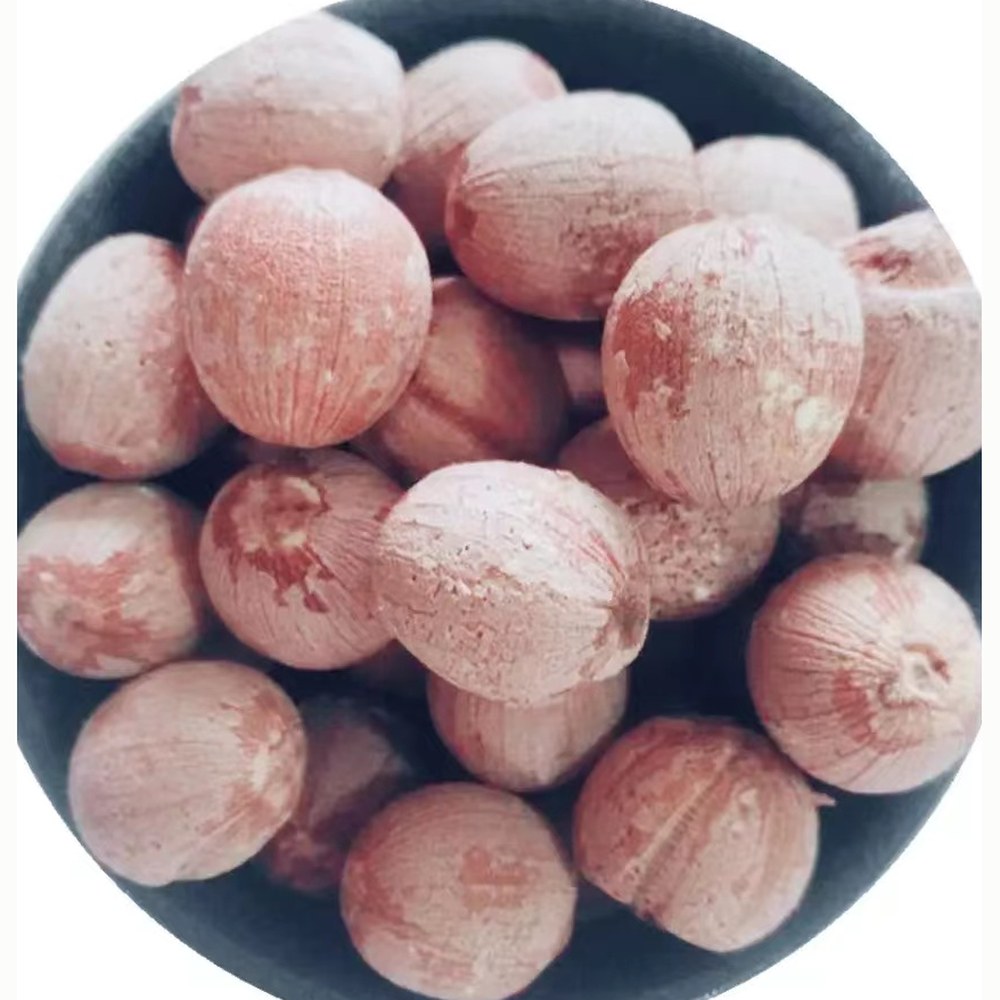
Round (Whole) Hunan Pearl Lotus Seeds
Whole, round, sulfur-free Hunan pearl lotus seeds — plump, creamy, and gently nourishing.
View specification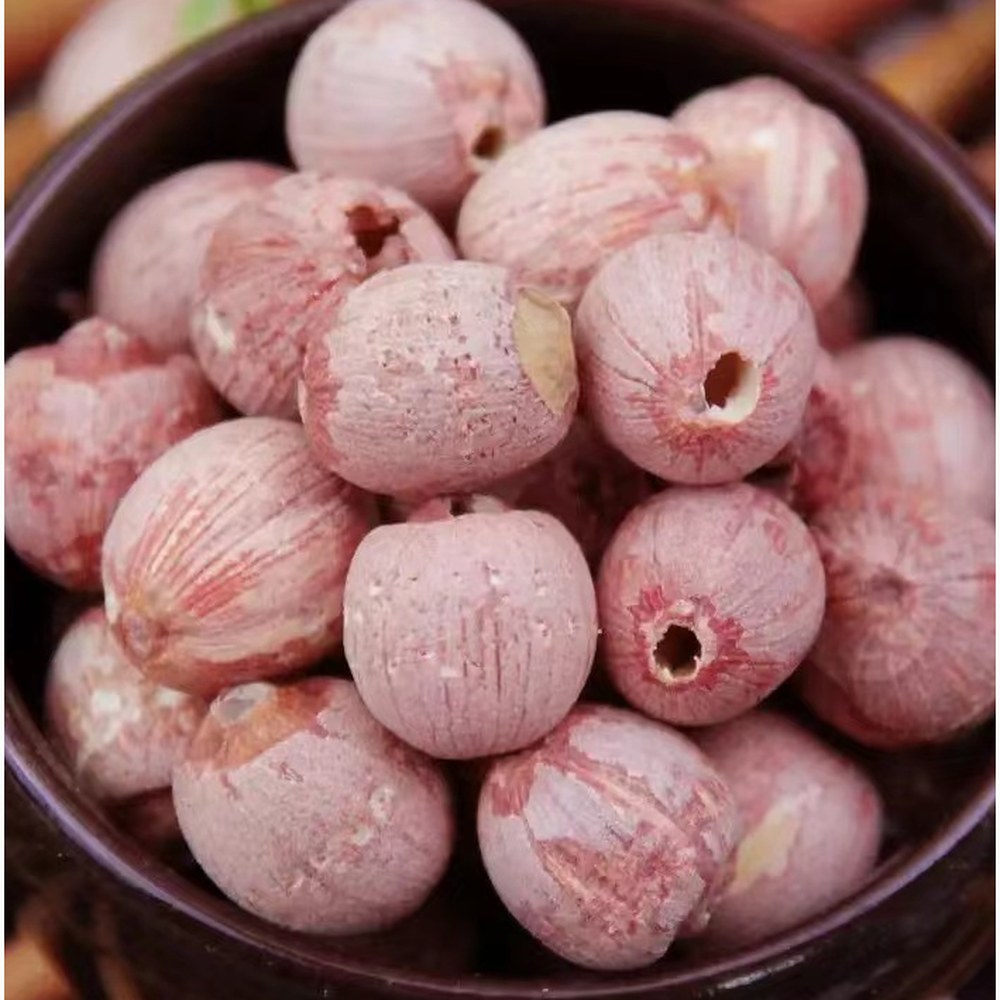
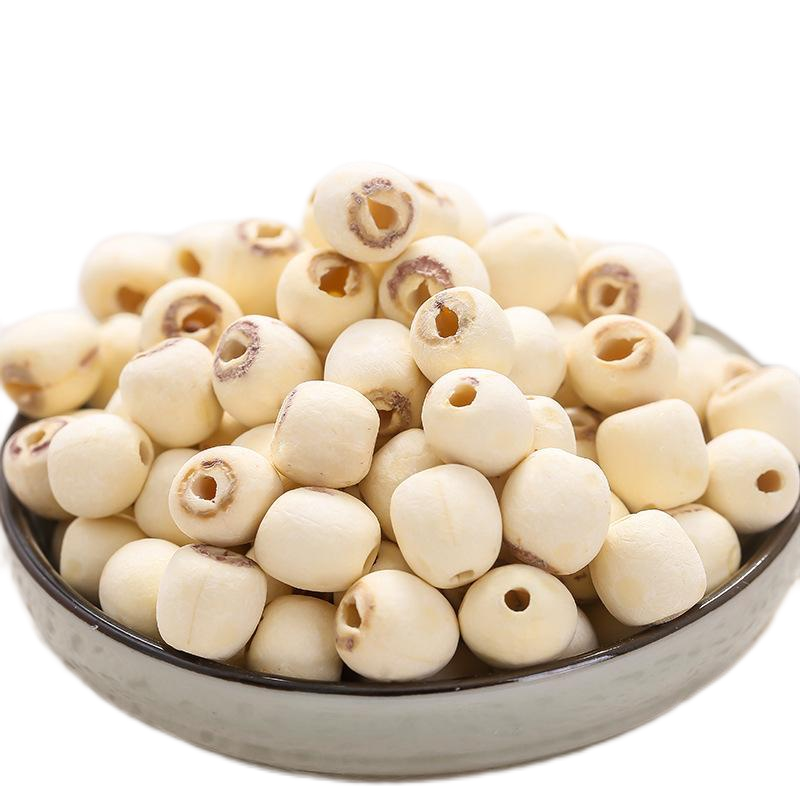
Coreless (Drilled) Pearl Lotus Seeds
Plumule removed for a clean, sweet, no-bitter taste — gently calming, ready to use.
View specification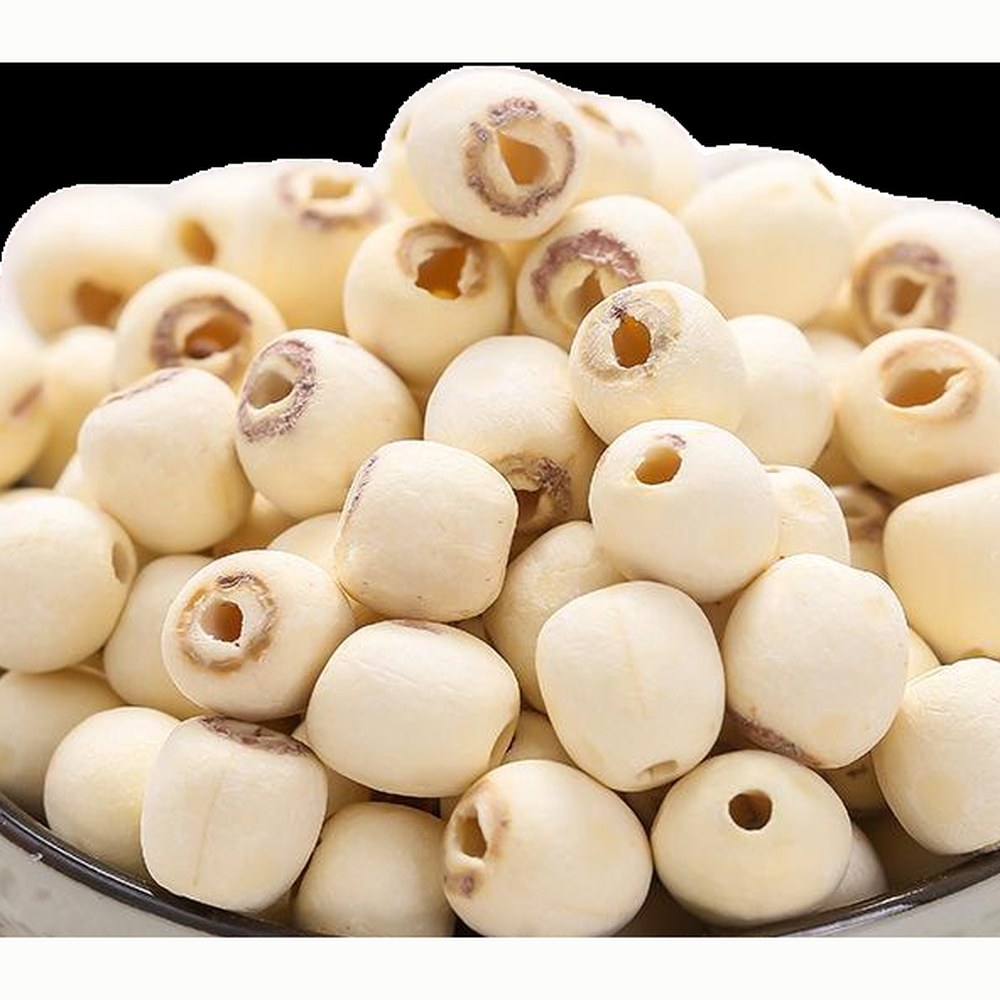
Grinding (Polished) White Lotus
Mechanically polished, milky-white and sulfur-free — the premium mooncake lotus.
View specificationContinue reading

Need this turned into a quotation?
Send the destination market, the end product and the volume. You get back a grade specification, a testing plan and a document list — the same three things this article told you to ask for.
Request a quote