Furong Lian and Taikong Lian: Xianglian's Fourth Generation, Explained
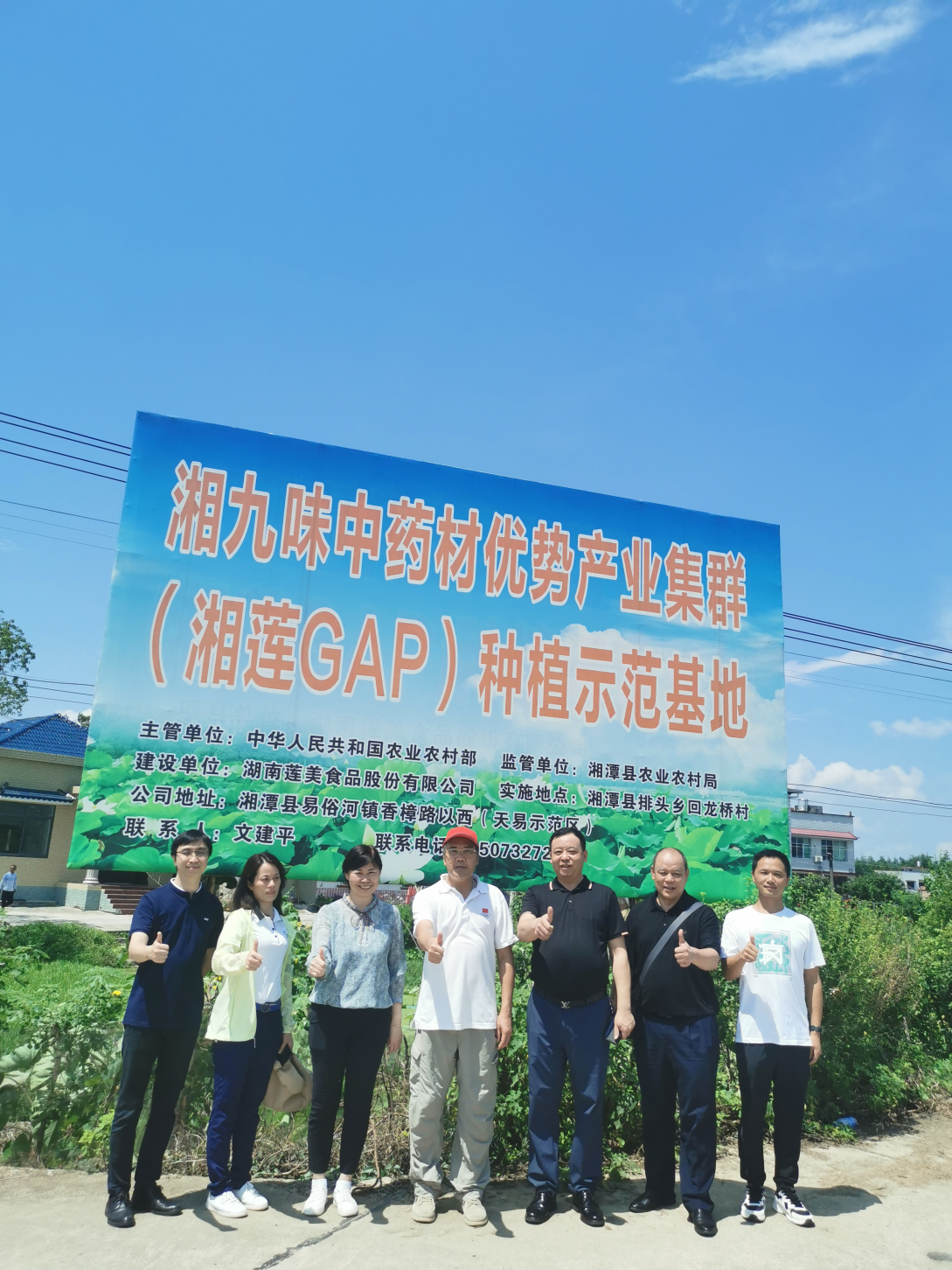
Ask a Xiangtan grower which lotus they plant and the answer will usually be one of three names: Cun San Lian, Furong Lian or Taikong Lian. The first is the heirloom. The other two are its descendants — one bred by crossing, one bred by sending the seed into orbit. Both now occupy a large share of the volume that reaches export buyers, and knowing which one is in the bag changes both the price you should pay and the product you can make.
Key takeaways
- 1.Furong Lian was created from 1983 by crossing Cun San Lian with Fujian Jian Lian over nine years, and was certified in 1993 by the Hunan Provincial Crop Variety Approval Committee.
- 2.Taikong Lian originated in 1997, when 1 kg of Cun San Lian shelled seed was carried on a Long March rocket for space radiation breeding and selected on return.
- 3.Furong Lian's quality is documented as exceeding both parents, with yield up to about 185 kg per mu — the agronomic argument for planting it.
- 4.Taikong Lian is widely grown across southern China, not only in Xiangtan, so "Taikong Lian" alone says nothing about Hunan origin.
- 5.For paste and industrial use, the newer varieties are often the rational buy; for visible-grain premium retail, Cun San Lian still carries the story.
Why a county needed two new varieties
Cun San Lian is a superb eating and processing seed, but it is an old landrace: yields are moderate, disease pressure in continuous flooded planting is real, and a single variety carrying an entire regional industry is an agronomic risk. Xiangtan's own industry plan is blunt about this, listing low planting efficiency, thin technical investment and weak variety-development capacity as structural weaknesses.
The response came in two very different technical directions, nine years apart in origin but both anchored on Cun San Lian as the parent material. That anchoring is the part buyers should notice: the modern varieties are not replacements for Cun San Lian's genetics, they are extensions of them.
Furong Lian: a nine-year cross that beat both parents
From 1983, researchers in Xiangtan County crossed Cun San Lian with Fujian Jian Lian. The cross was not incidental: Jian Lian from Jianning in Fujian is one of China's three great lotus seeds, known for grain size and appearance, while Cun San Lian brings Xiangtan's flavour profile and processing behaviour. Nine years of selection followed.
In 1993 the Hunan Provincial Crop Variety Approval Committee certified and named the result 「湘潭芙蓉莲」. Published descriptions state its quality exceeds both parents and its yield per mu reaches about 185 kg — a substantial step up from Cun San Lian's typical range, and the reason it now occupies a large share of Xiangtan's planted area.
Note: Naming caution: 「芙蓉莲」 is sometimes written 「湘莲芙蓉」 or 「湘潭芙蓉莲」 in trade. All refer to the same approved variety; none of them implies a different grade.
Taikong Lian: one kilogram that went into orbit
The second route used space. In 1997 the Hunan Provincial Science and Technology Association arranged for the Xiangtan County association to supply one kilogram of Cun San Lian shelled seed, which was carried on a Long March rocket for space radiation breeding. On return, the seed was planted and selected — the standard space-mutation workflow: expose, germinate, then select hard for the traits you want over several generations.
One clarification that matters commercially: space breeding of lotus was not exclusive to Xiangtan. Guangchang county in Jiangxi ran its own programmes — first with a recoverable satellite in 1994, later with Shenzhou IV and Shijian-8 — producing the Taikong Lian 36 line that became the dominant planted variety across southern China. So the phrase 「太空莲」 on a spec sheet identifies a breeding method and a variety family, not a place of origin.
Note: If the origin claim matters, do not accept 「Taikong Lian」 as evidence of Hunan origin. Require 「Xiangtan-grown, GI area」 plus the variety name as two separate fields.
Side-by-side for buyers
| Aspect | Cun San Lian | Furong Lian | Taikong Lian |
|---|---|---|---|
| Origin of the line | Traditional landrace, generation III | Cun San Lian × Fujian Jian Lian, 1983–1993 | Cun San Lian, space radiation breeding from 1997 |
| Typical yield | Moderate; the reason acreage shifted away | Up to about 185 kg per mu | Selected for vigour and yield traits |
| Grain and eating quality | The reference standard for flavour and texture | Documented as exceeding both parents | Varies by line; grain often larger, texture can differ |
| Best use | Visible-grain premium retail, gift, whole-seed dessert | Volume paste, mainstream retail, industrial input | Volume supply, price-sensitive lines |
| Price position | Premium band | Mid to upper-mid | Mid; competes with non-Hunan volume |
The trap in a single-spec purchase
A specification that reads only 「White lotus seed, Hunan, moisture ≤ 13%」 is compatible with all three varieties, any harvest year and any of the five processing forms. Suppliers price to the cheapest combination that satisfies the words. That is not dishonesty; it is the contract doing what it says.
The fix is mechanical: three fields, always. Variety. Form. Measurable grade. Then a fourth field that most buyers forget — harvest year — because a two-year-old lot of a good variety is a worse purchase than a fresh lot of a mid variety for most food applications.
- ·Variety: Cun San Lian / Furong Lian / Taikong Lian (name the line if your supplier knows it).
- ·Form: round, drilled, polished white, split or through-core.
- ·Grade: seeds per 50 g, whole-grain floor, broken-seed ceiling.
- ·Crop year and storage: harvest year, whether cold-stored, and fumigation history.
What this means for product development
If you are formulating a white lotus paste, the variety determines how much water the seed absorbs, how long it takes to soften, and how white the finished paste reads on a colour card. Furong Lian's higher yield and larger grain usually translate into a better cost per kilo of paste, at a small cost in the aromatic top note that Cun San Lian is prized for.
If you are packing whole seeds for retail, the calculation reverses: the visible grain is the product, the premium for uniformity and appearance is recoverable at the shelf, and Cun San Lian's reputation supports the copy on the front of the pack.
Note: Do not switch varieties mid-contract without a sensory panel. Water absorption differences show up as changed bake times and changed paste consistency — the kind of drift that produces a complaint six weeks later.
Grades, limits, tax treatment and inspection regimes change without notice. Confirm the current position for your product, origin and destination with your importer or the relevant authority before contracting — treat everything here as a starting point for verification.
Frequently asked questions
QIs Taikong Lian genetically modified?
QWhich variety should I specify for lotus paste?
QDo the newer varieties taste different?
QCan I get Taikong Lian grown in Xiangtan?
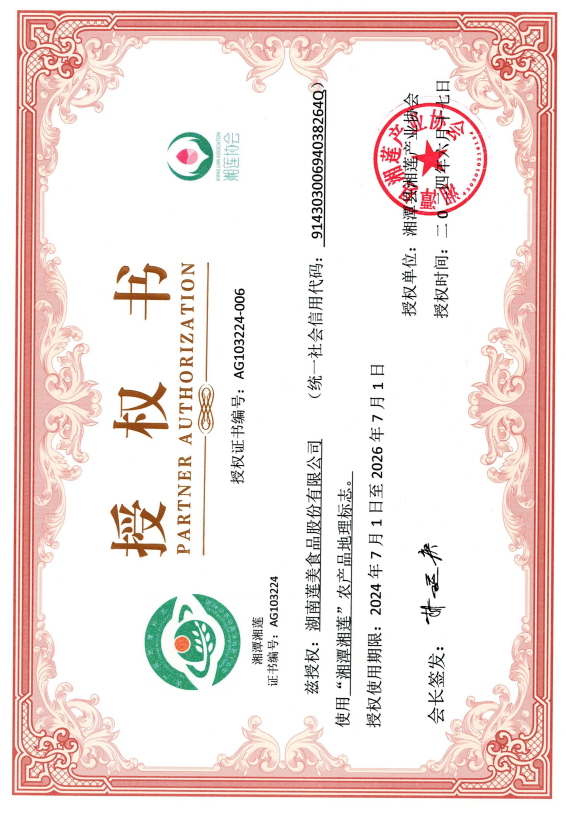
QIs Furong Lian a GI-protected name?
Products referenced in this guide
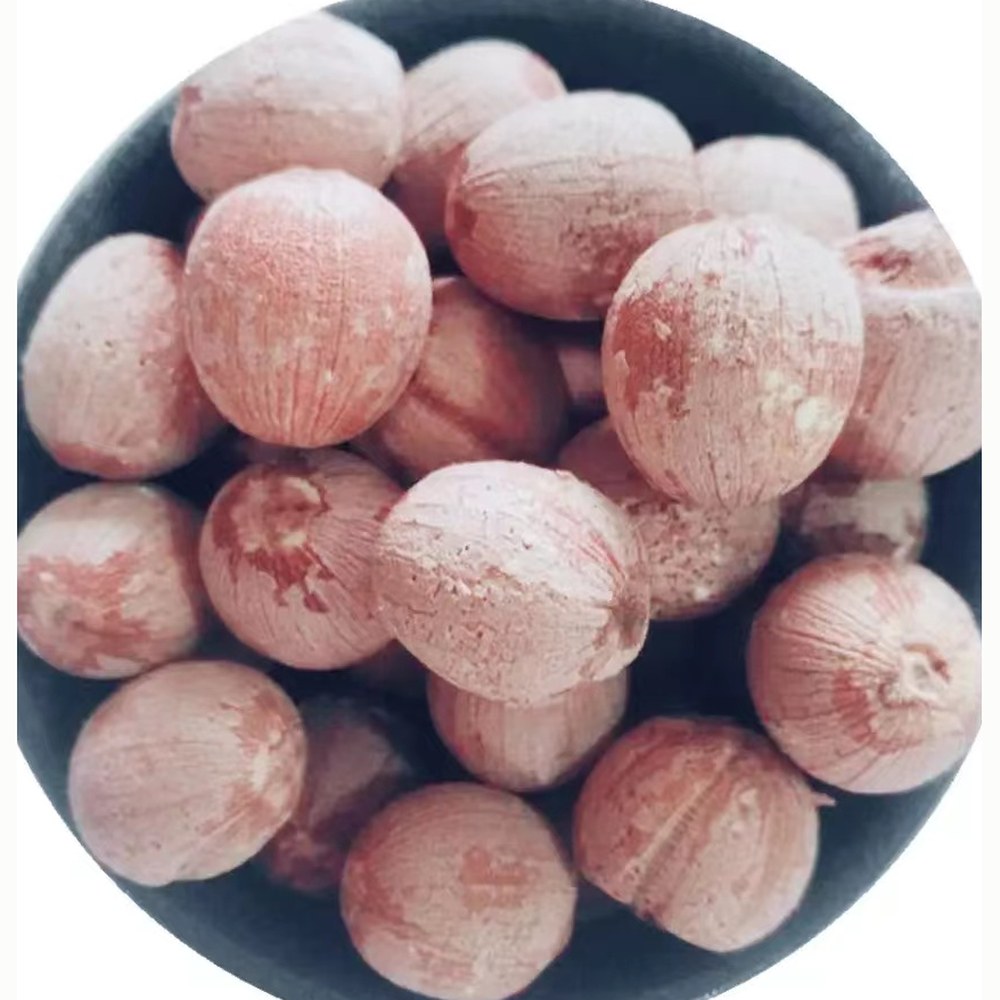
Round (Whole) Hunan Pearl Lotus Seeds
Whole, round, sulfur-free Hunan pearl lotus seeds — plump, creamy, and gently nourishing.
View specification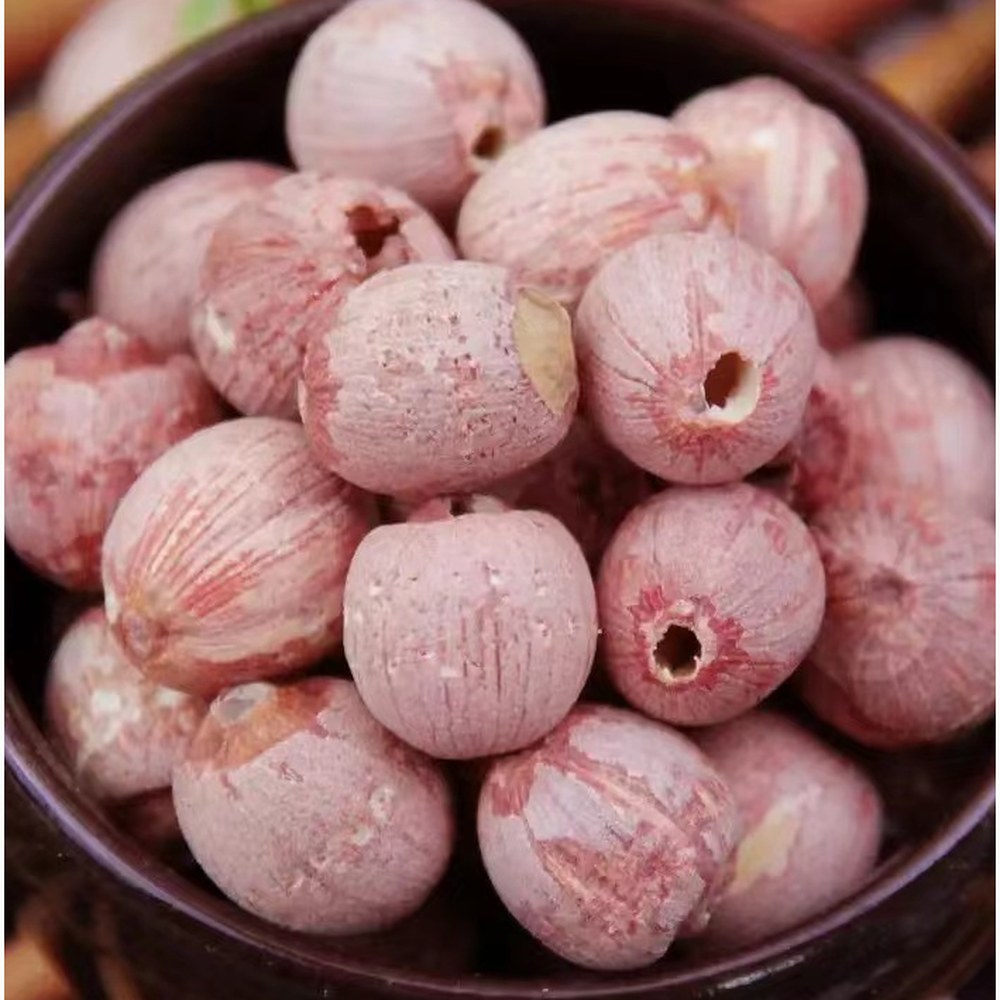
Coreless (Drilled) Pearl Lotus Seeds
Plumule removed for a clean, sweet, no-bitter taste — gently calming, ready to use.
View specification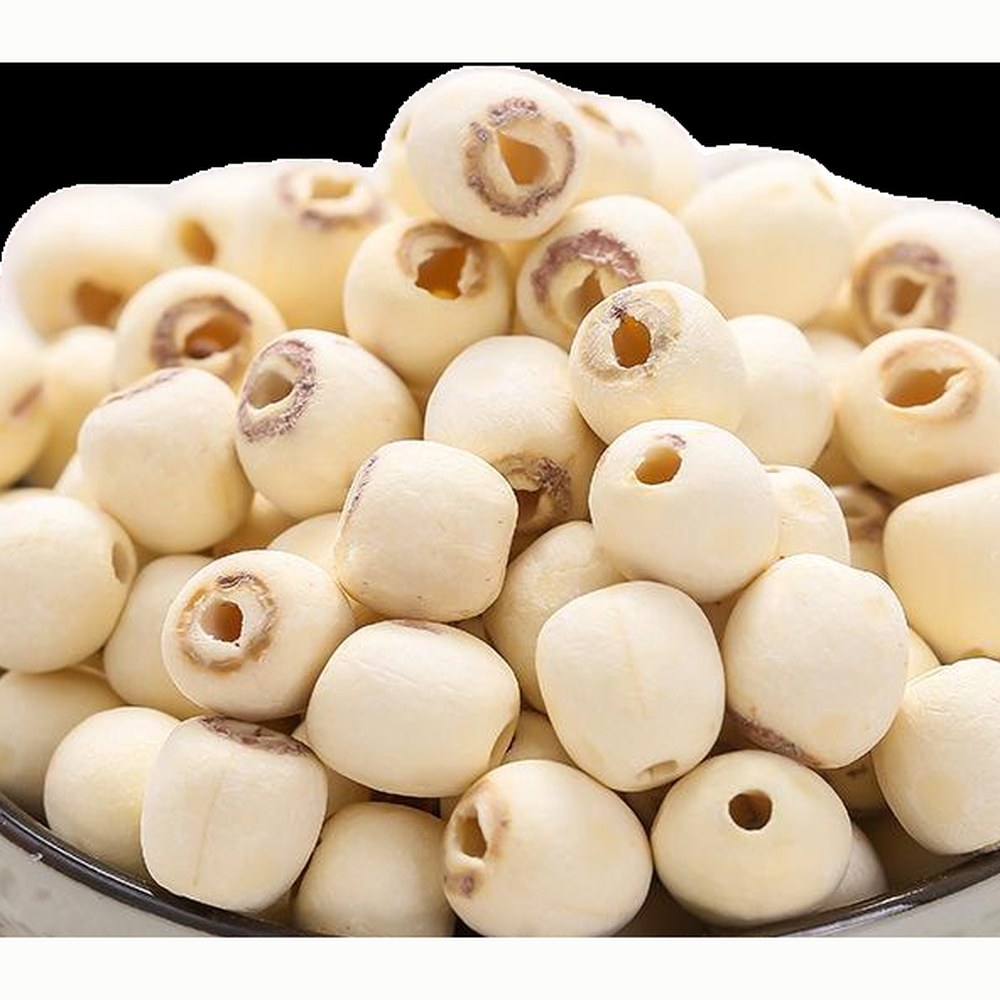
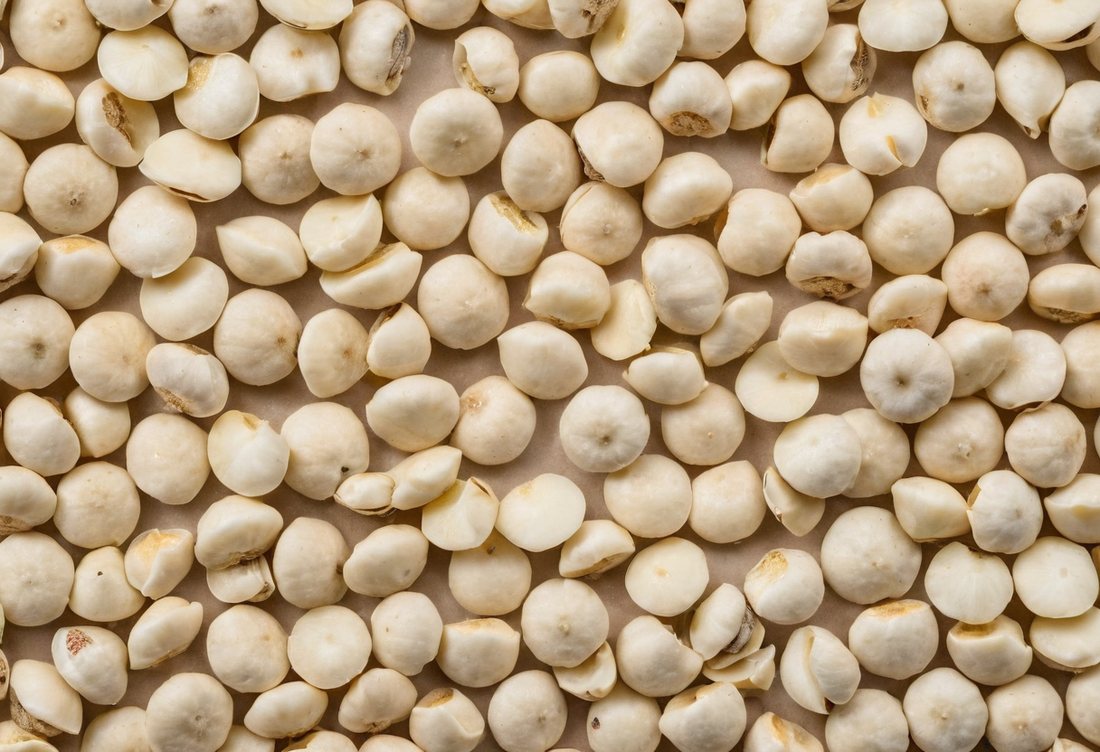
Grinding (Polished) White Lotus
Mechanically polished, milky-white and sulfur-free — the premium mooncake lotus.
View specificationContinue reading
Need this turned into a quotation?
Send the destination market, the end product and the volume. You get back a grade specification, a testing plan and a document list — the same three things this article told you to ask for.
Request a quote