Cun San Lian: The Variety Behind China's Premium Lotus Seed
Most buyers encounter 「寸三莲」 as a price tag — the top line on a Xianglian quotation. It is actually a specific variety with a documented breeding history, a measurable grading rule, and a legal position inside China's geographical indication (GI) system. Knowing the difference between "a variety", "a grade" and "a brand claim" is what separates a well-specified contract from an argument at the port.
Key takeaways
- 1.Cun San Lian is a variety name, not a processing form — it describes the seed, not whether the core has been removed.
- 2.The name comes from a physical grading rule: three seeds laid end to end measure one cun (about 3.3 cm).
- 3.Xianglian has four documented variety generations; Cun San Lian is the third, and both Furong Lian and Taikong Lian were bred from it.
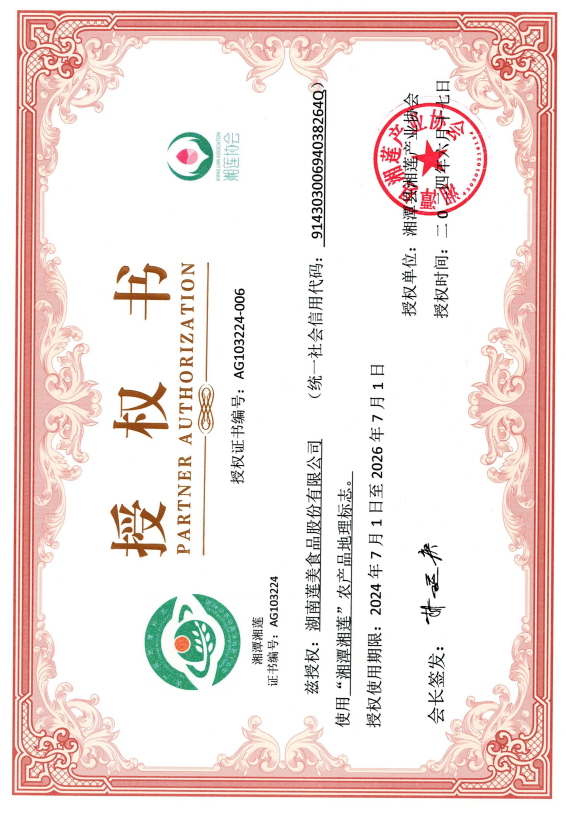
- 4."Xianglian" is a protected GI name usable only by authorised producers inside a 34-township area — ask for that authorisation before accepting the label.
- 5.Put grain count per 50 g, whole-grain ratio, moisture and admixture into the contract — a variety name alone is not a specification.
What "Cun San Lian" literally means
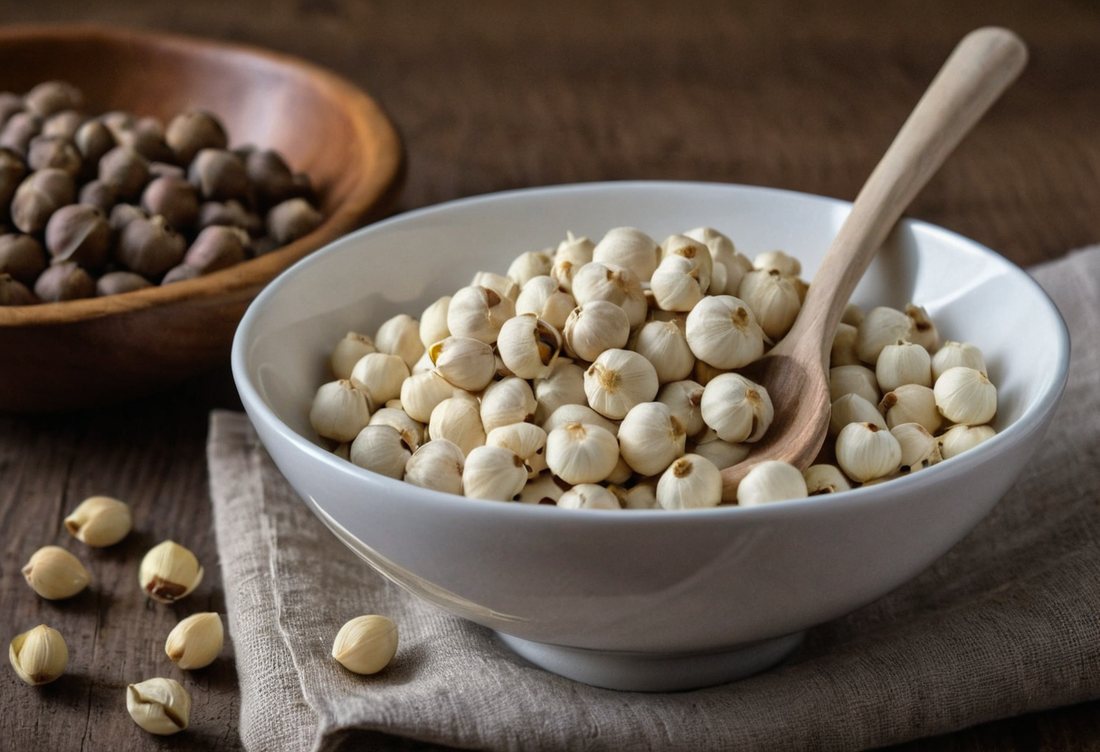
The name is a measurement, not a marketing invention. Cun (寸) is the Chinese inch — roughly 3.3 centimetres in its modern metric equivalence. San means three. Lian means lotus seed. Three seeds, laid end to end along their long axis, add up to one cun. That single arithmetic rule is the entire grading standard: anything shorter falls out of the top band.
Practically, the rule tells a buyer three things at once: the seeds are large, they are uniformly large, and they are proportioned so that length rather than breadth drives the grade. A shipment with the same average size but high variance will not pass a Cun San Lian sort, because the smallest seeds break the three-to-an-inch rule.
Note: Vocabulary trap: in Chinese trade 「寸三莲」 may appear as a variety claim, a grade claim or both. In a contract, state which one you mean.
The four generations of Xianglian varieties
Xiangtan County's own lotus industry plan (2019–2030), published by the county government, records four successive generations of main varieties. This is the clearest official pedigree available and it is worth knowing because it explains why "Xianglian" today is not one seed but a family.
Generation one was largely wild or semi-wild material: Anxiang Honglian, Xiangtan Yinbaihua, Yiyang Donggualian. Generation two came from further selection: Taoyuan Jiuxihong, Hanshou Shuiyudan. Generation three is Cun San Lian — the selection that was used continuously as tribute lotus, that dominated Xiangtan planting for roughly twenty years, and that spread to Hubei and Henan.
Generation four is the interesting one for buyers. Furong Lian was produced from 1983 by crossing Cun San Lian with Fujian Jian Lian; after nine years of cultivation the Hunan Provincial Crop Variety Approval Committee certified it in 1993 as 「湘潭芙蓉莲」. Taikong Lian came the other way: in 1997 one kilogram of Cun San Lian shelled seed was carried on a Long March rocket for space radiation breeding, and the returned seed was selected on the ground.
| Generation | Representative varieties | Why it matters commercially |
|---|---|---|
| I | Anxiang Honglian, Xiangtan Yinbaihua, Yiyang Donggualian | Mostly wild/semi-wild; not a commercial grade today |
| II | Taoyuan Jiuxihong, Hanshou Shuiyudan | Early cultivated types; largely superseded |
| III | Cun San Lian | Premium benchmark; the reference point for grading language |
| IV | Furong Lian, Taikong Lian | Higher yield and disease tolerance; larger volumes in mainstream supply |
Note: Commercial consequence: a supplier quoting "Cun San Lian" at a mainstream market price is usually quoting Furong Lian or Taikong Lian volume. Ask for the variety in writing.
Why Cun San Lian became the quality benchmark
Two official assays did the work. In September 1982 the State Commodity Inspection Bureau ran a full analysis and reported crude protein 18.7%, crude fat 1.91%, total sugar 55.8% and reducing sugar 6.43% — enough to classify Xiangtan Xianglian as a low-fat, high-protein premium variety. In 1985 the Wuhan Commodity Inspection Bureau benchmarked Cun San Lian against Fujian Jianbailian, Jiangxi Ganbailian and Hubei Hulian across ten indices; Xianglian led on seven, including sugar, starch, protein, fat, phosphorus, calcium and crude fibre.
Those numbers are historical benchmarks from specific lots, not a specification for what will arrive at your warehouse in 2026. They explain why the variety earned its reputation; they do not replace a certificate of analysis on your actual shipment.
Note: Use the 1982/1985 figures in marketing copy only with attribution and a date. Never present them as a current product specification.
Variety, grade and processing form are three different axes
Most sourcing mistakes come from collapsing these three into one word. Variety answers "which plant". Grade answers "how big and how uniform". Processing form answers "what was removed". A shipment can legitimately be Cun San Lian (variety), second grade by grain count (grade) and split and cored (form) — and it will not be what a buyer who simply wrote "Cun San Lian" expected.
The five commercial forms recognised in Xiangtan government documentation are round-grain (圆粒), drilled (钻芯), polished white (磨皮白莲), split (开边) and through-core (通芯). Each has a different yield in the factory and a different price band.
| Axis | Question it answers | Example wording for a contract |
|---|---|---|
| Variety | Which cultivar was grown | Cun San Lian, Xiangtan origin, harvest year 2026 |
| Grade | Size and uniformity | ≤ 62 seeds per 50 g, whole-grain ≥ 92% |
| Form | What processing removed | Drilled, core removed, no sulphur, no polishing agents |
The legal shell around the name
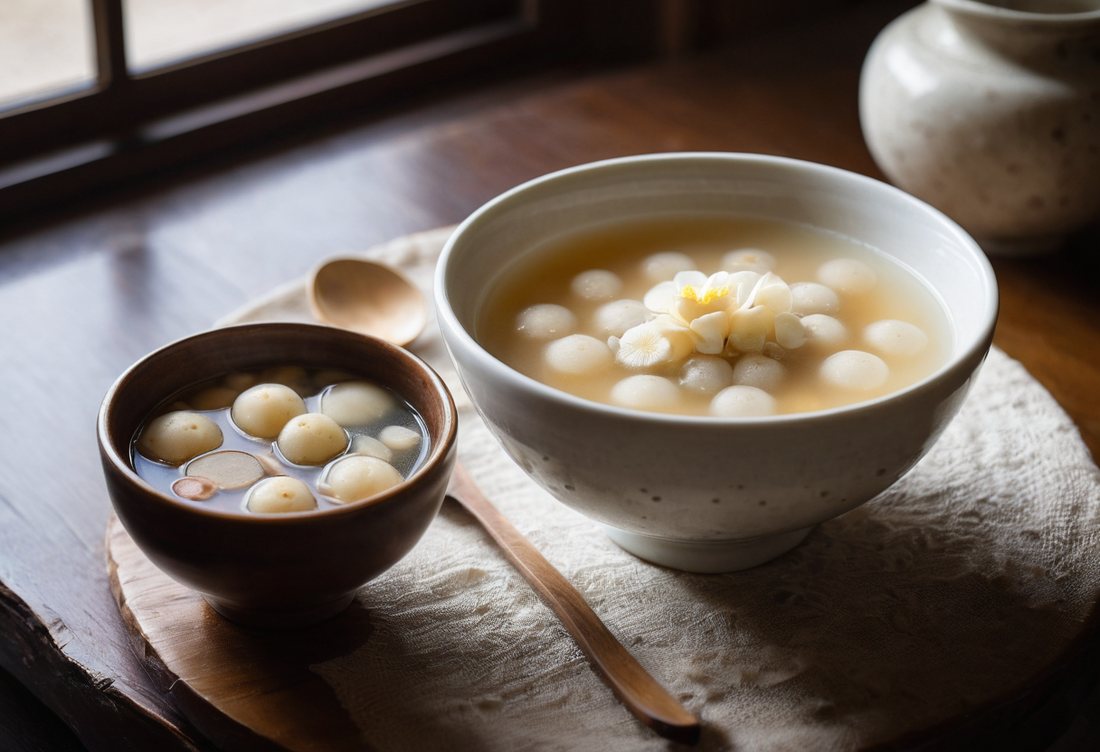
"Xianglian" (湘莲) is a Chinese geographical indication product. AQSIQ approved GI product protection in Announcement No.54 of 2010, covering all townships of Xiangtan County plus named townships in Shaoshan, Xiangxiang, Zhuzhou's Hetang district and Hengdong county — 34 townships in total. The name was also registered as a GI certification trademark in 2009.
As of the county's 2025 filing, nine enterprises hold authorisation for the GI special mark and 27 have filed licence records for the certification trademark. If a supplier offers you "Xianglian Cun San Lian" at a price that looks too good, the first document to ask for is not a lab report — it is the GI authorisation.
Note: GI protection is territorial and applies to production, not to shipping. A trader outside the area can legally resell GI goods, but cannot itself claim to be a GI producer.
What to write into a Cun San Lian purchase contract
- 1Name the variety and the harvest year separately. "Cun San Lian, 2026 crop" is a different commitment from "Xianglian".
- 2Fix the size language numerically: seeds per 50 g, or a millimetre length band, plus a whole-grain percentage floor.
- 3Specify the processing form and forbid silent substitution — polishing agents, sulphur treatment, or blending with Taikong Lian must be declared.
- 4Set moisture ceiling, broken-seed ceiling and admixture ceiling, each with a test method reference.
- 5Require a pre-shipment sample from the actual lot with the lot number written on the bag, and keep a sealed retention sample.
Who should not buy Cun San Lian
If your product grinds the seed into paste, splits it, or cooks it into a soup where grain shape disappears, the premium you pay for Cun San Lian's appearance is largely wasted. Split and polished-white grades deliver similar solids and flavour at a lower price. The premium is worth paying when the grain must be seen: retail packs, gift boxes, whole-seed desserts, canned syrups where integrity reads on the shelf.
A practical compromise many factories use: a Cun San Lian top layer for the visible fraction, blended with selected round grain for the body of the batch, with both percentages declared in the specification.
Grades, limits, tax treatment and inspection regimes change without notice. Confirm the current position for your product, origin and destination with your importer or the relevant authority before contracting — treat everything here as a starting point for verification.
Frequently asked questions
QIs Cun San Lian a grade or a variety?
QHow much more expensive is Cun San Lian than ordinary Xianglian?
QCan I verify the variety in a lab?
QDoes Cun San Lian mean the seeds are sulphur-free?
QIs Furong Lian better than Cun San Lian?
QWhat MOQ should I expect for a trial order?
Products referenced in this guide
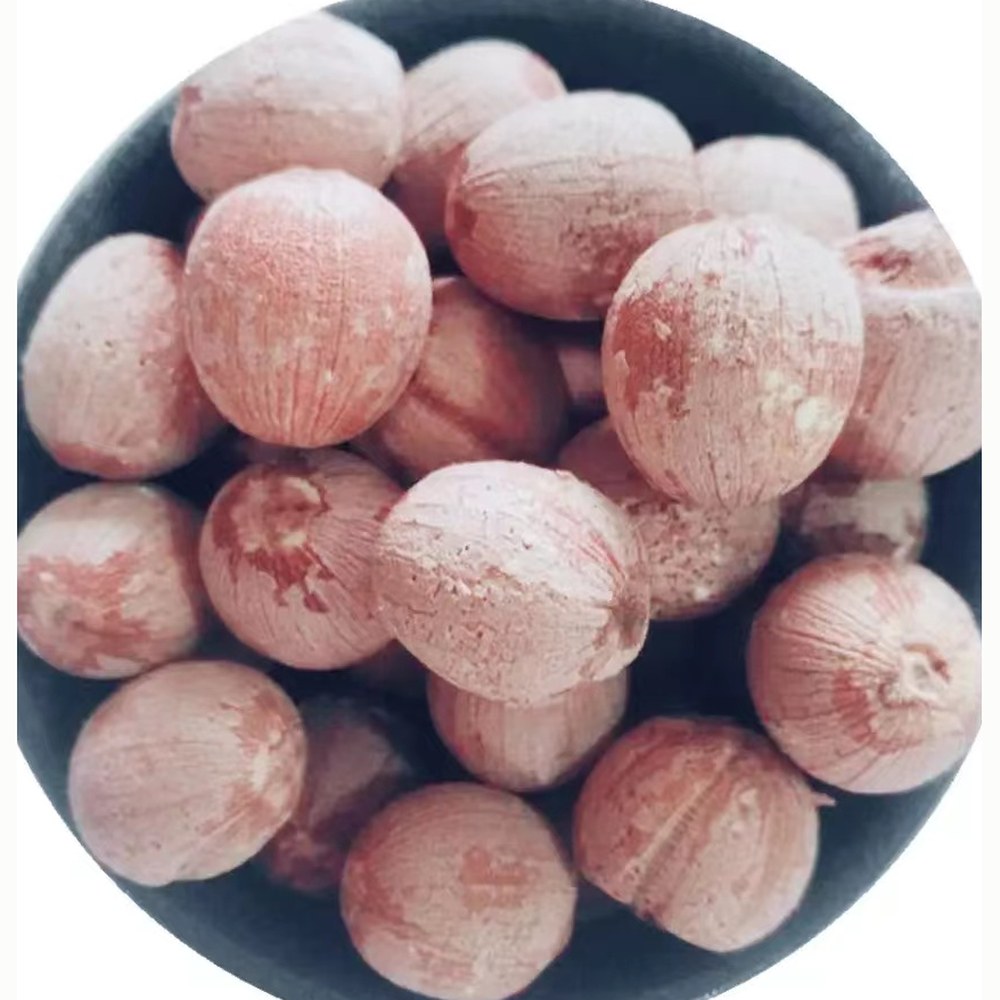
Round (Whole) Hunan Pearl Lotus Seeds
Whole, round, sulfur-free Hunan pearl lotus seeds — plump, creamy, and gently nourishing.
View specification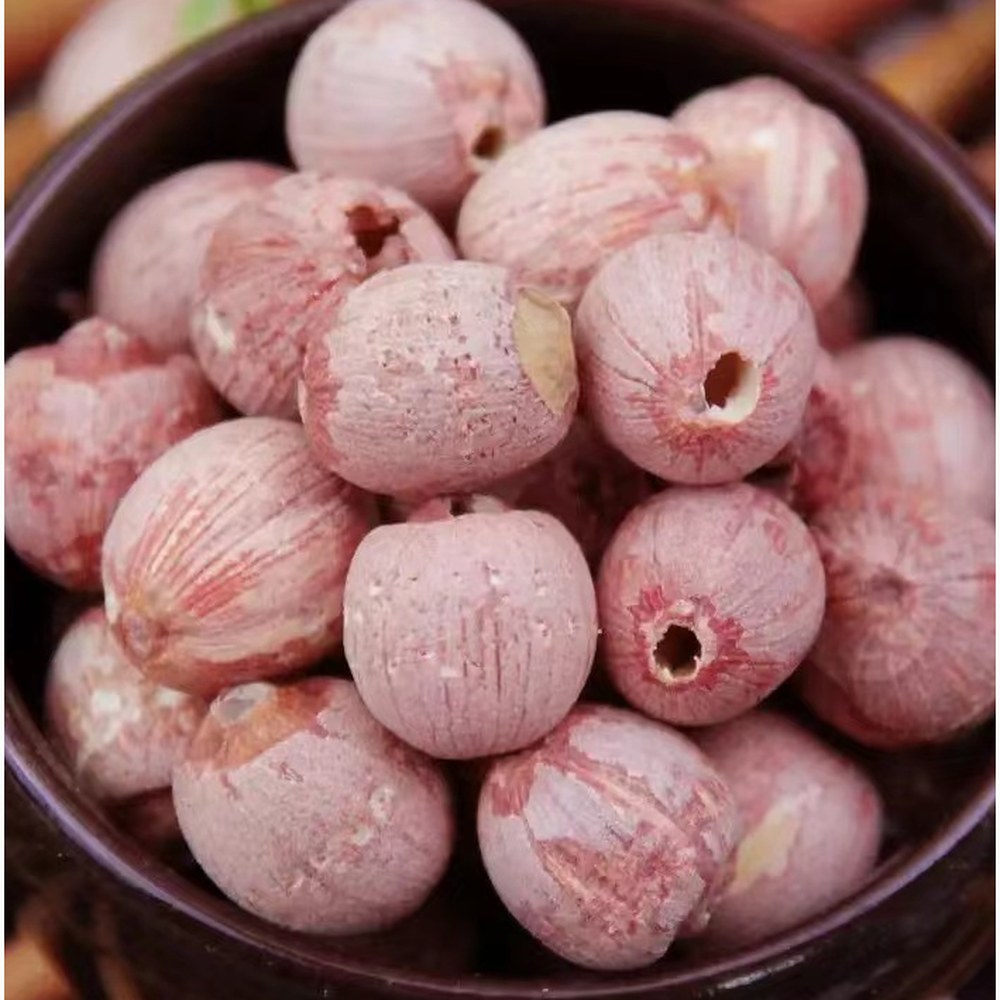
Coreless (Drilled) Pearl Lotus Seeds
Plumule removed for a clean, sweet, no-bitter taste — gently calming, ready to use.
View specification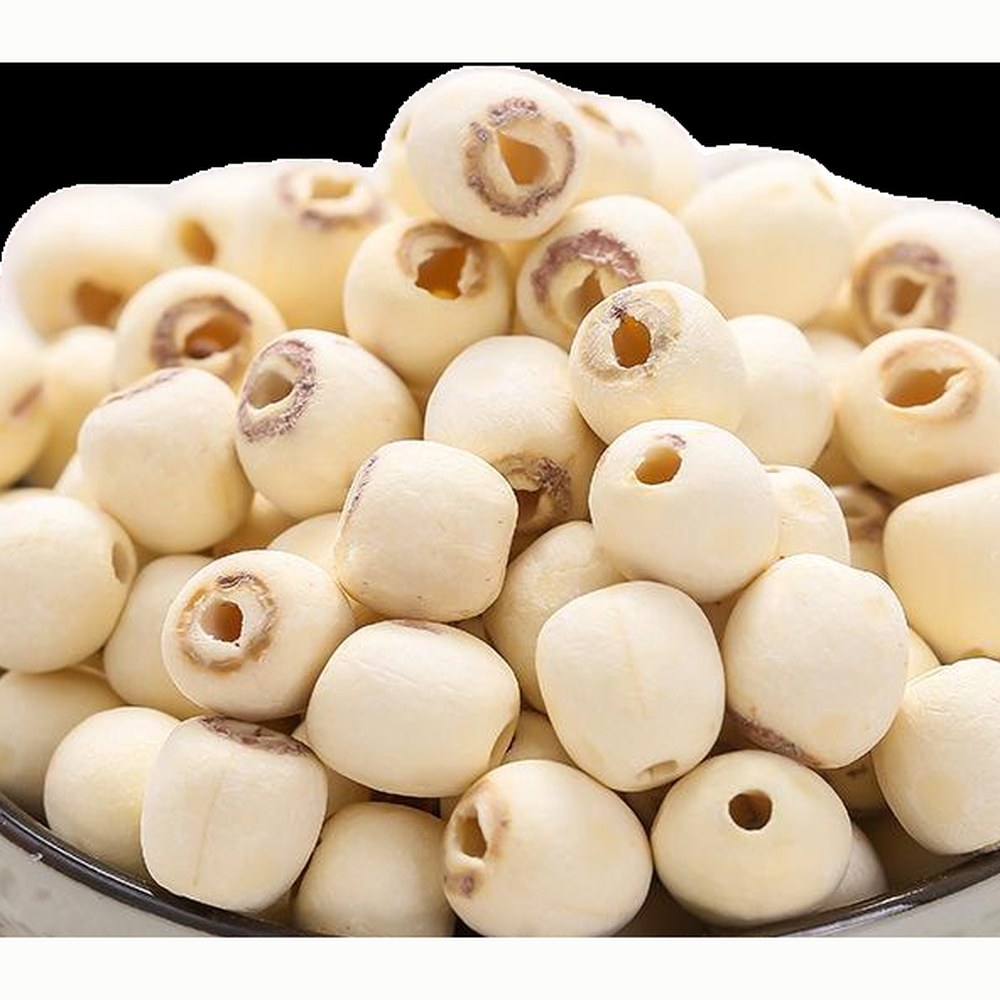
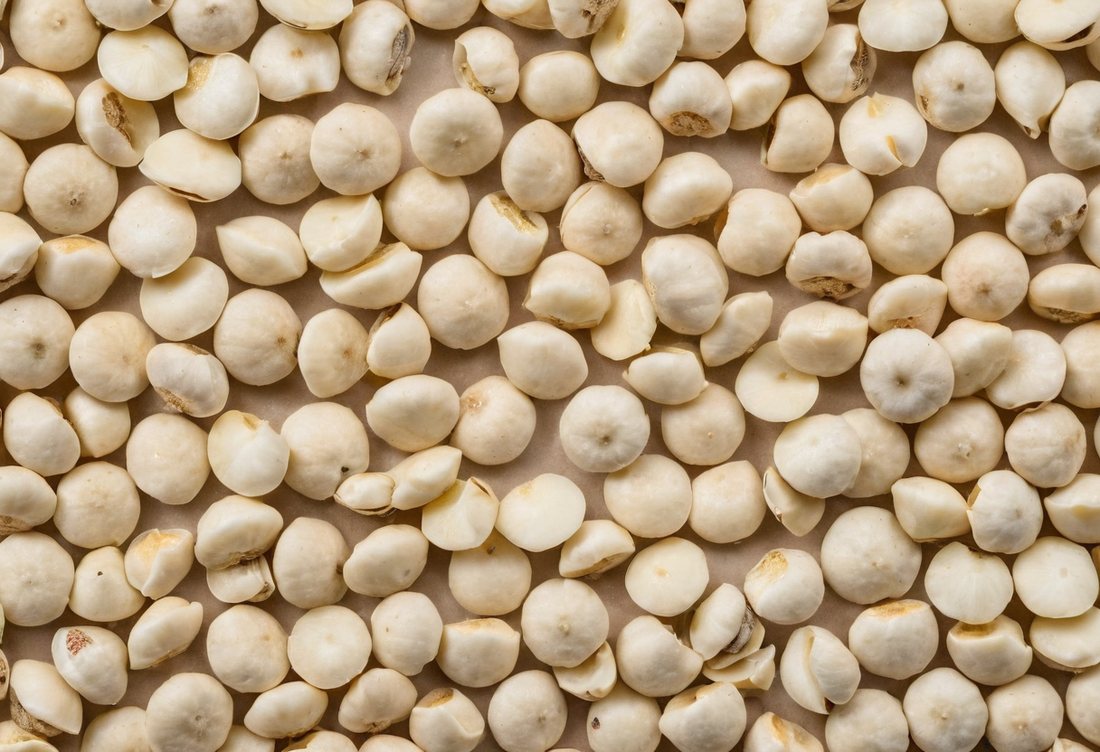
Grinding (Polished) White Lotus
Mechanically polished, milky-white and sulfur-free — the premium mooncake lotus.
View specificationContinue reading
Need this turned into a quotation?
Send the destination market, the end product and the volume. You get back a grade specification, a testing plan and a document list — the same three things this article told you to ask for.
Request a quote