Cunsanlian Lotus Seeds: Xianglian's Top Grade, How to Verify and Buy
Every Xianglian quotation has a top line, and that line usually says 寸三莲. Buyers who treat it as a marketing word overpay; buyers who treat it as a measurable specification get a defensible price.
Key takeaways
- 1.Cunsanlian is a size rule before it is a variety name — three seeds end to end span one inch.
- 2.The premium is only justified for whole-grain, appearance-driven end products; split grades give most of the flavour at lower cost.
- 3.Write the measurement into the contract — seeds per 50 g and a minimum whole-grain ratio — not just the name.
What "Cunsanlian" actually is
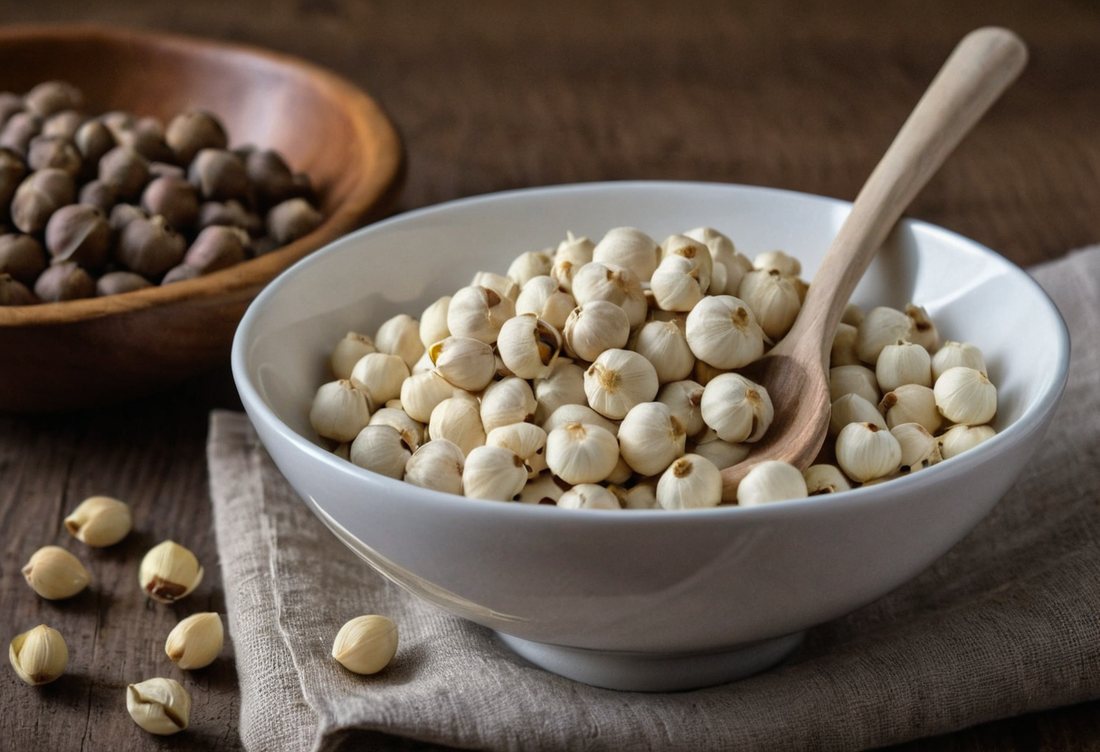
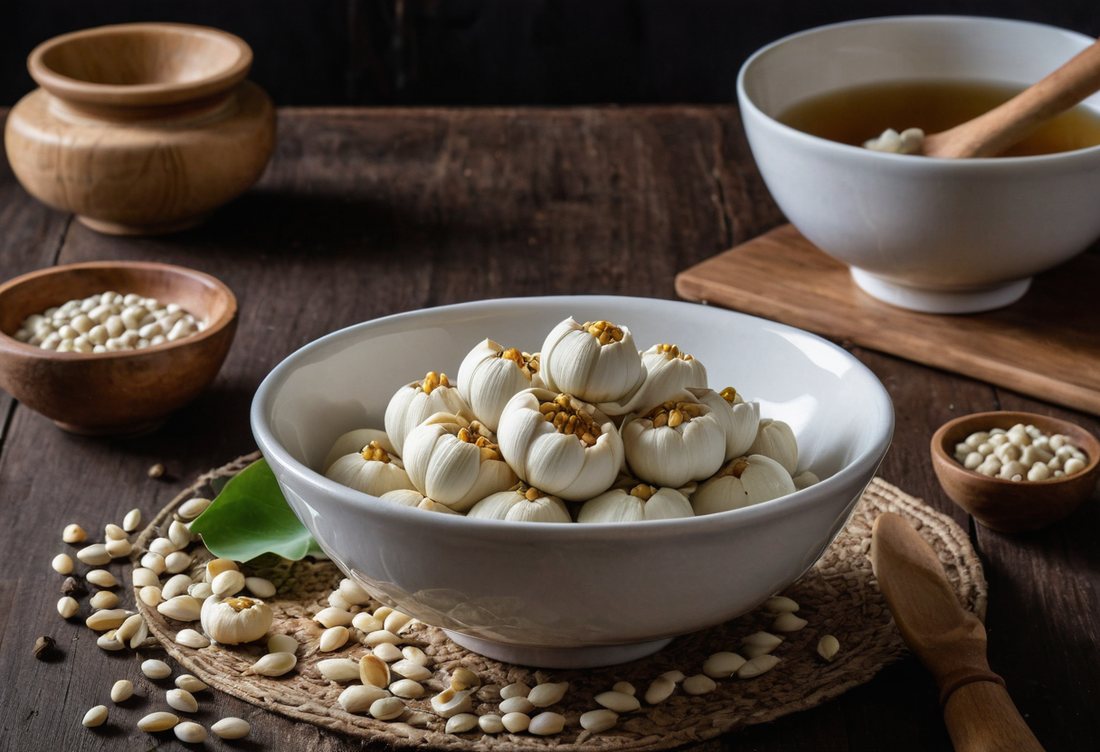
Cunsanlian is the traditional top grade of Xiangtan Xianglian, and the name comes from a plain grading rule: lay three lotus seeds end to end and they span exactly one inch. That single size threshold screens out the small and the thin, leaving the fullest, roundest layer of the crop.
- ·Round and plump grains; hundred-seed weight clearly above commodity-grade Xianglian.
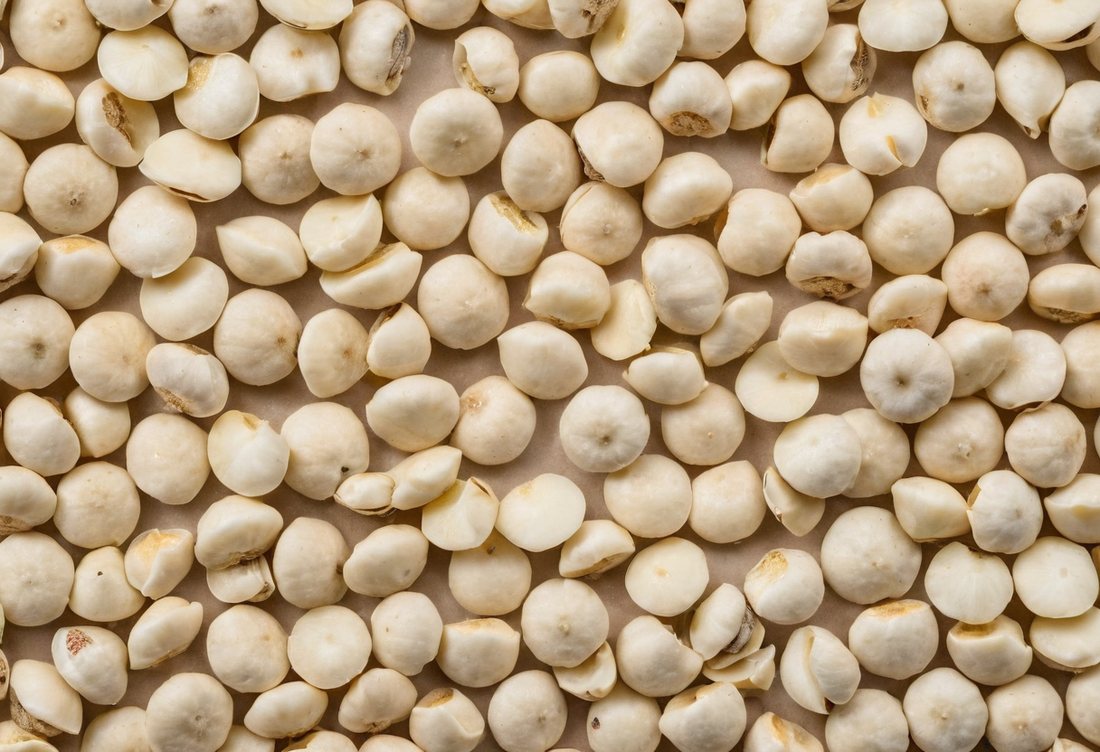
- ·White colour and a small bore where the core was removed, so the processed appearance reads as premium.
- ·Cooks to a floury, cohesive texture without disintegrating — strong aroma, high paste yield.
- ·In Hong Kong and Southeast Asian filling industries it is the shared language for high-end white lotus paste.
Where Cunsanlian sits in the Xianglian grading ladder
Xianglian is sorted commercially by grain size, whole-grain ratio and processing method, and Cunsanlian sits at the top of that pyramid. For a buyer, understanding the grading language matters more than memorising prices — the gap between commodity Xianglian and Cunsanlian can run to several tens of percent on the same invoice.
| Grade | Typical grain | Typical use |
|---|---|---|
| Cunsanlian | Three seeds to one inch, round and full | High-end white lotus paste, gift boxes, premium retail |
| Selected round / polished white | Uniform grain, surface-polished | Mainstream lotus paste, canned desserts |
| Cored white | Whole grain, core removed | Soups, sweet soups, dried-goods retail |
| Split | Machine-split, core removed | Volume paste production, wholesale distribution |
How a buyer verifies Cunsanlian from a distance
You cannot inspect every grain from overseas, so verification rests on specification language plus evidence:
- ·Put a measurable definition in the contract — hundred-seed weight, or seeds per 50 g, plus a minimum whole-grain ratio.
- ·Require pre-loading sampling photographs and a retained sample, with a per-batch COA travelling with the goods.
- ·Check the origin and the processor's credentials — Xiangtan production area, shipped direct from the factory.
- ·For a first order, buy a small lot and validate paste yield and aroma before scaling up.
Note: A supplier who resists putting a number in the contract is telling you the grade is flexible. That is information worth having before you pay a deposit.
Which products justify the premium
- ·High-end white lotus paste mooncakes — put "Cunsanlian" directly into the selling copy.
- ·Chinese premium wellness retail packs, where the grain itself is the visual selling point.
- ·Premium canned sweet soups, where whole-grain integrity decides how the can looks on the shelf.
Note: Overseas manufacturers already label "Xianglian Cunsanlian" in their own product copy — which is the clearest evidence that this grade carries consumer-level premium.
Grades, limits, tax treatment and inspection regimes change without notice. Confirm the current position for your product, origin and destination with your importer or the relevant authority before contracting — treat everything here as a starting point for verification.
Frequently asked questions
QIs Cunsanlian a variety or a grade?
QWhat is the price gap versus ordinary Xianglian?
QCan you supply a retained sample before shipment?
Products referenced in this guide
Continue reading
Need this turned into a quotation?
Send the destination market, the end product and the volume. You get back a grade specification, a testing plan and a document list — the same three things this article told you to ask for.
Request a quote